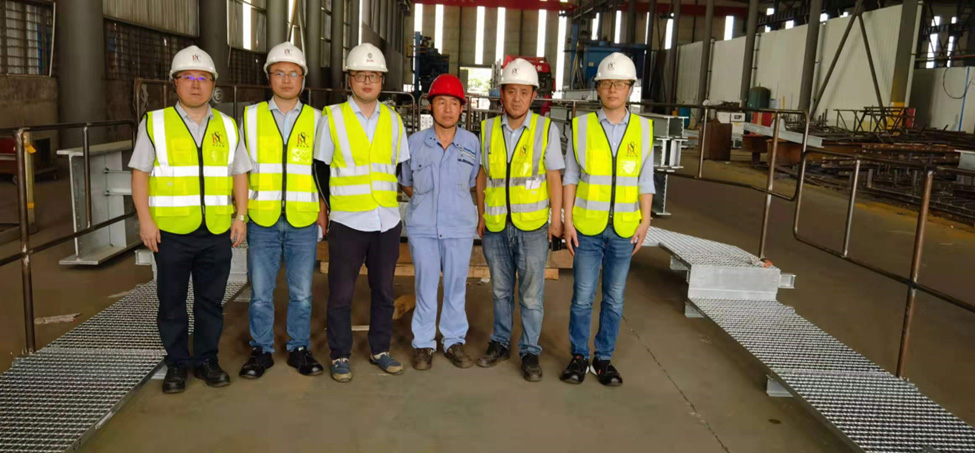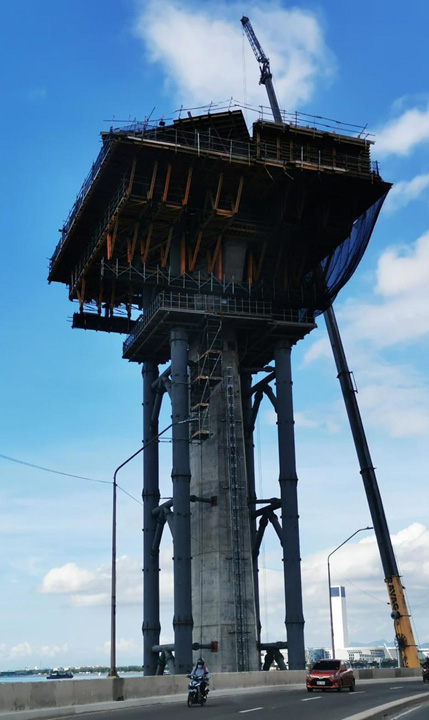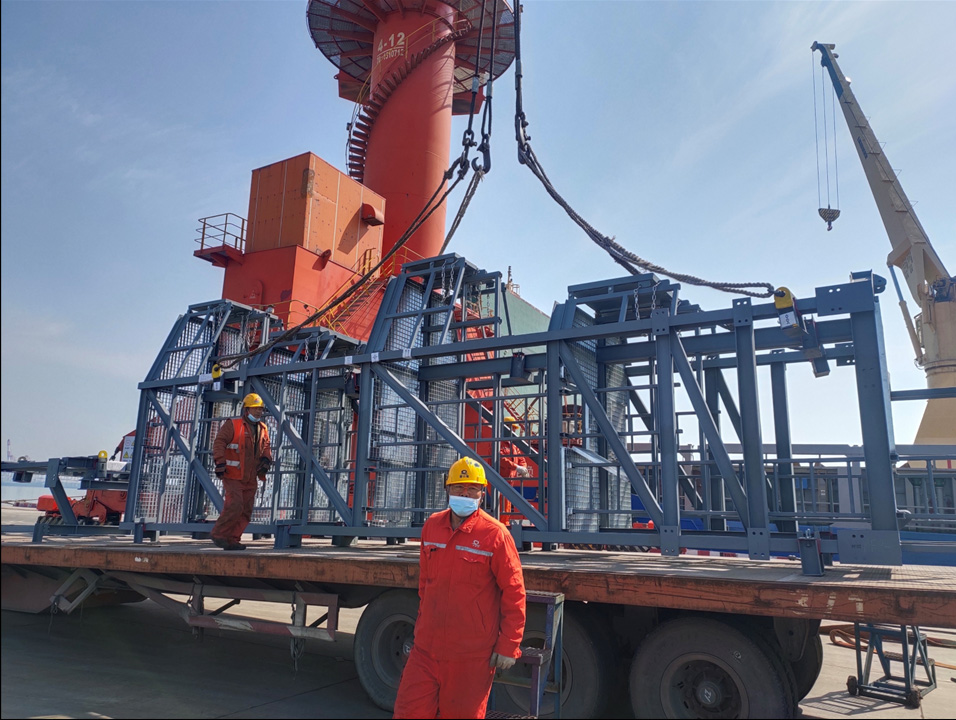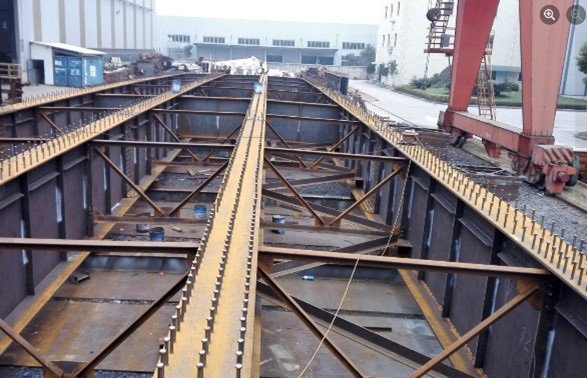


Why Trust ESC in your Steel Fabrication Projects?

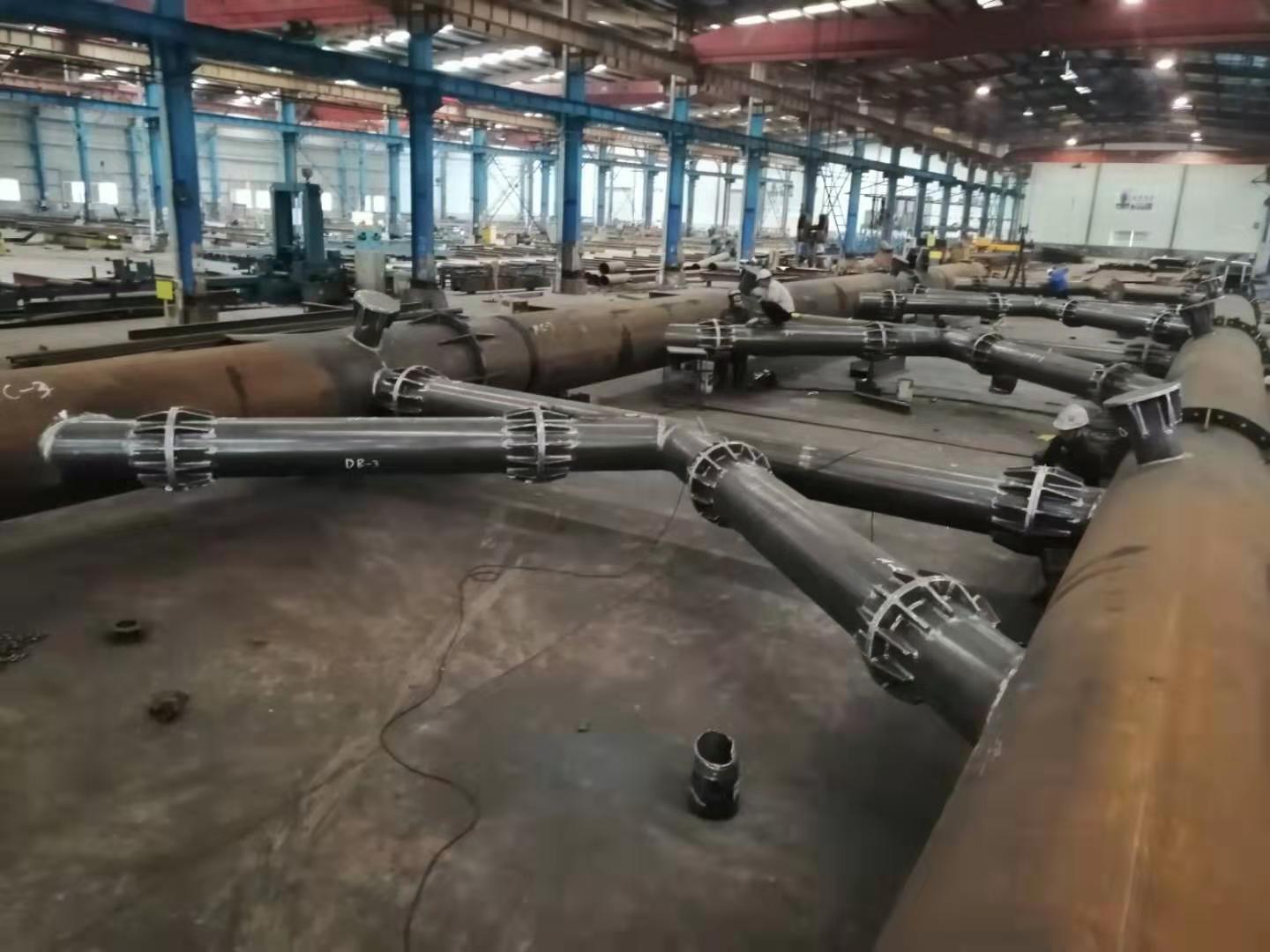
Steel or metal fabrication is a broad specialization. Technically, it is not a trade which regular welding companies or contractors can fulfill. It involves not just one or two but multiple operations that requires precision and expertise. It applies processes with high complexity to create value-added products essential to mining, energy, automotive, construction, medical, transportation, food, and all other business industries that exists.

Shortlisting and finally choosing the best candidate for a steel fabrication job is crucial as far as successful project completion is concerned. This is because successful completion does not only mean finishing a project on time, it follows accomplishing a project safely within schedule, within budget, and compliant to specified quality and standards.

Luckily, ESC got you covered and here’s why you should not just consider but rely on us.
FABRICATION CAPABILITIES

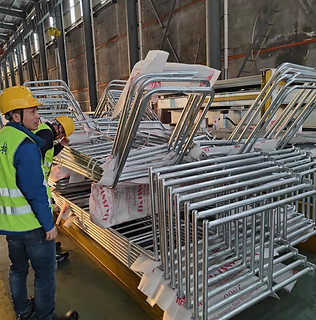
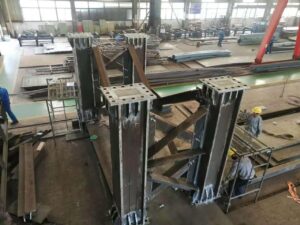
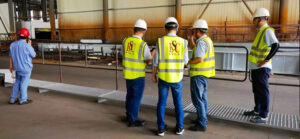
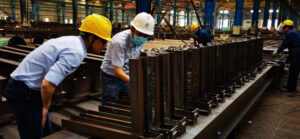
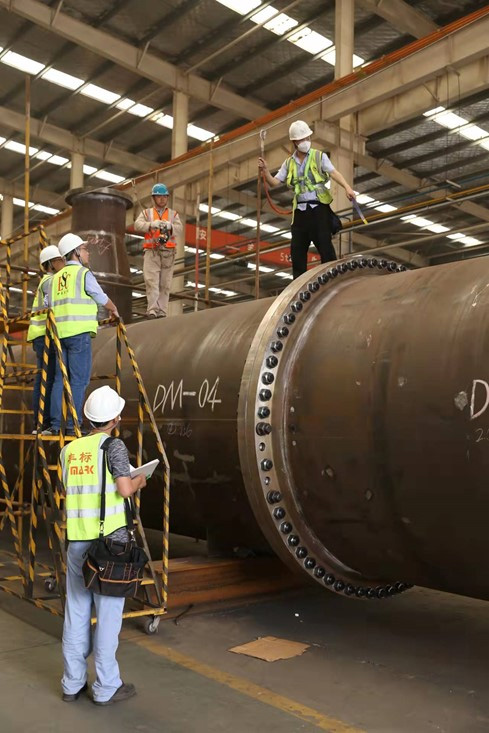
With a global capability of producing over 300,000 metric tons per year of steel products and structures at various locations and sites around the world, ESC provides one-stop solutions for projects of all scales and requirements. We employ not just state-of-the-art equipment and machineries but the most skilled and qualified labor assets that gets them into work. Below is a showcase of some of the capabilities of ESC’s prequalified mills:

  • Machining, Cutting & Drilling
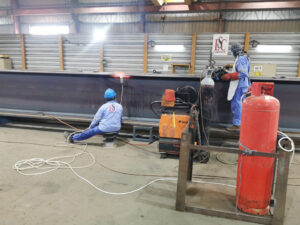
  • Welding
  • Press Brake Forming
  • Pipe Forming
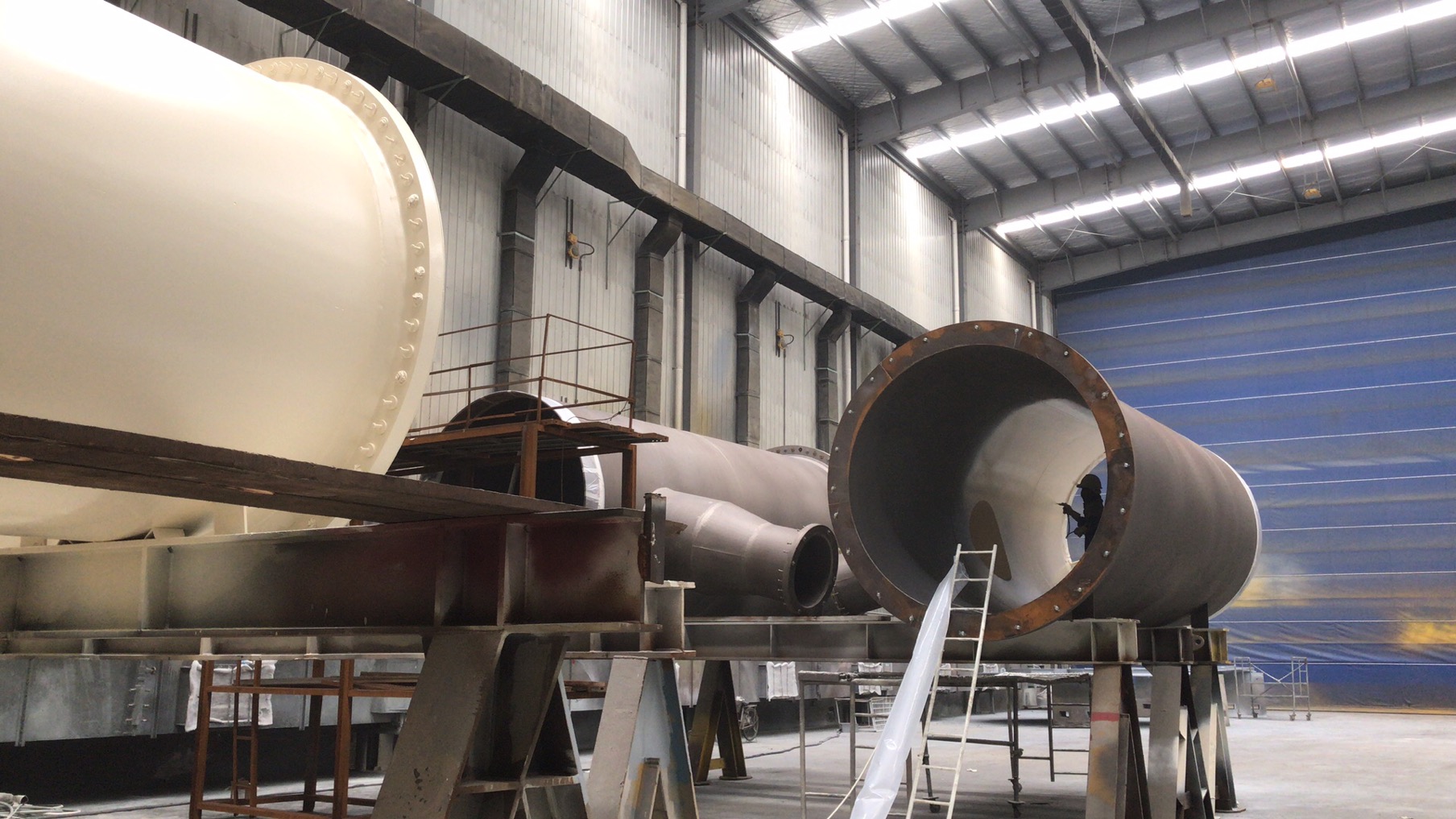
  • Blasting, Coating & Galvanizing
  • Testing (Material, Weld, Coating, Dimensional)

In terms of structure types:

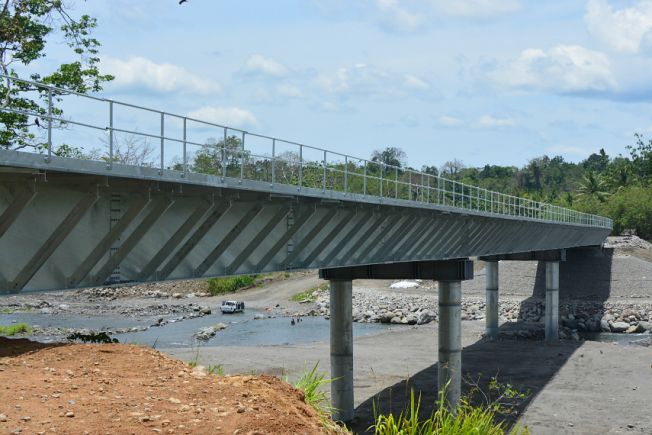
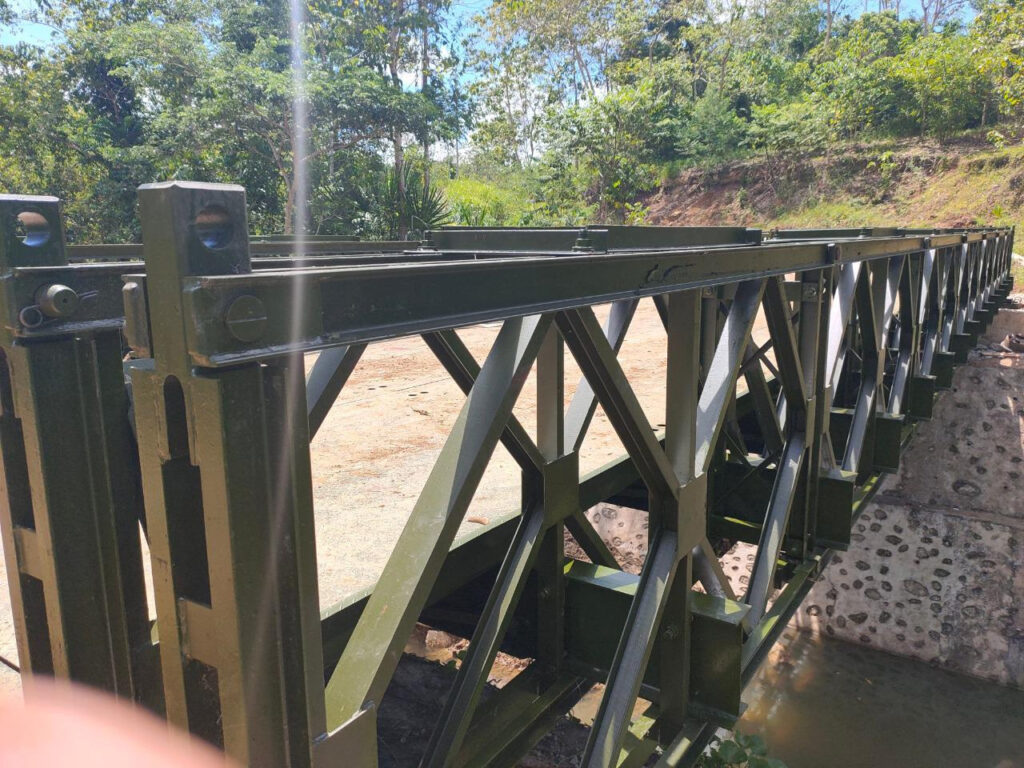
  • Bridge Structures
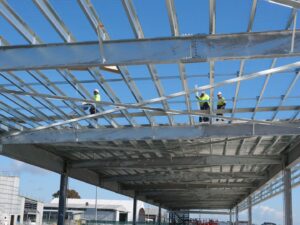
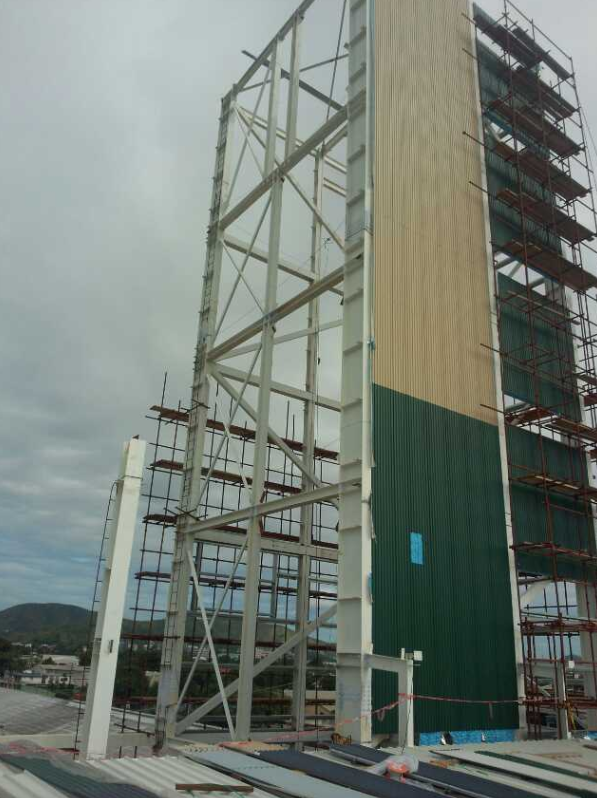
  • Pre-Engineered/ Prefabricated Steel Buildings
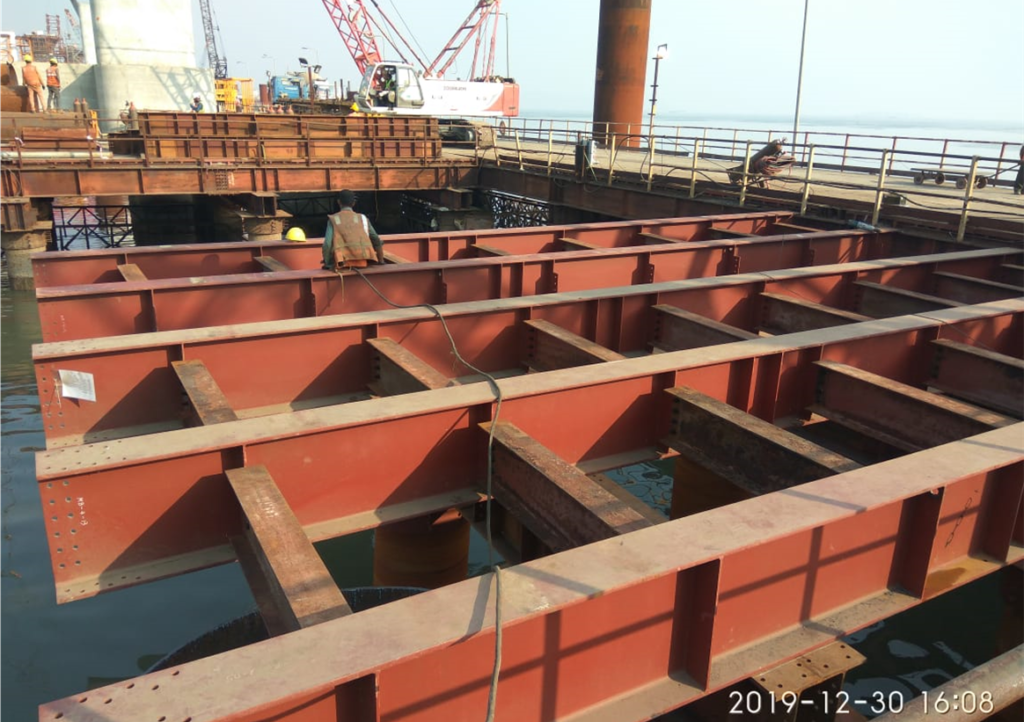
  • Offshore Steel Structures
  • Building & Construction Structures
  • Mining and Excavation Equipment and Structures
  • Prefab Components – Rail & Transport
  • Material Handling  Equipment
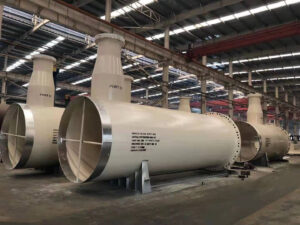
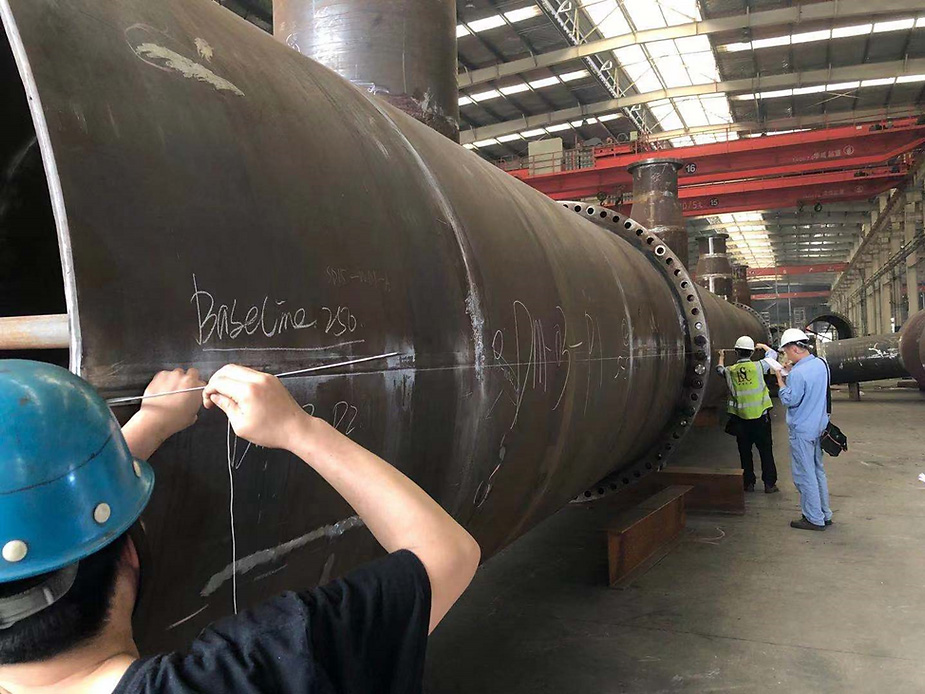
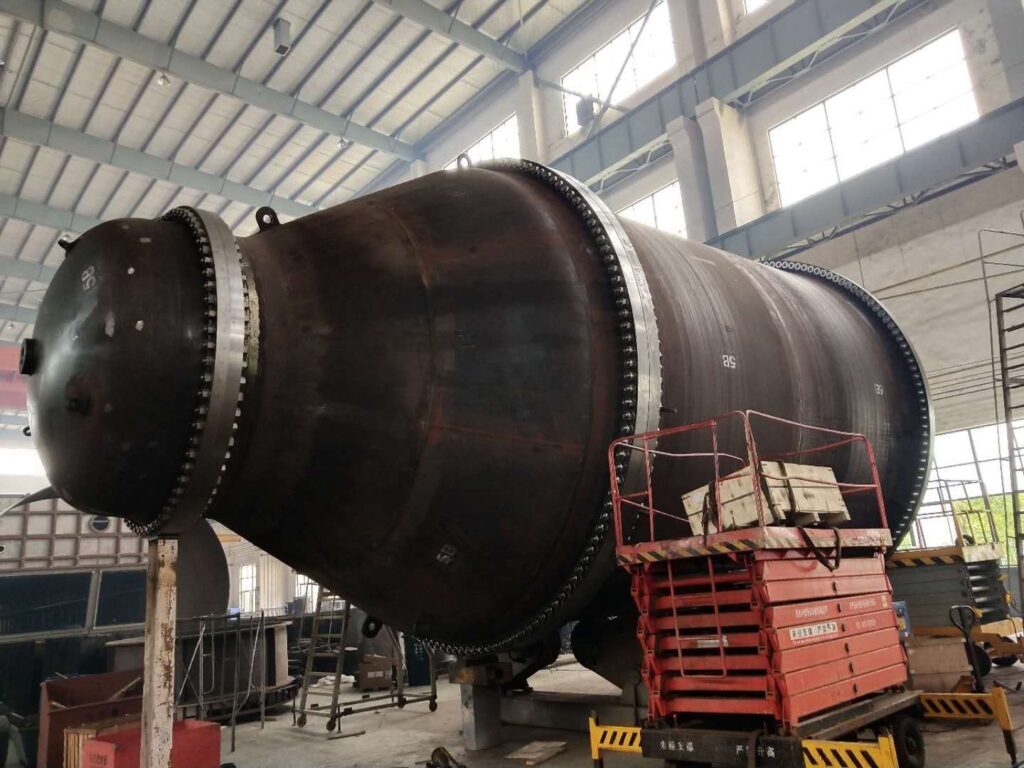
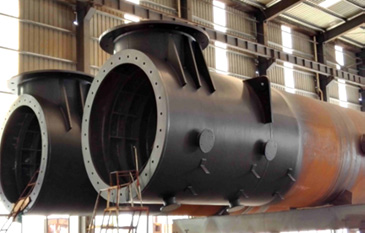
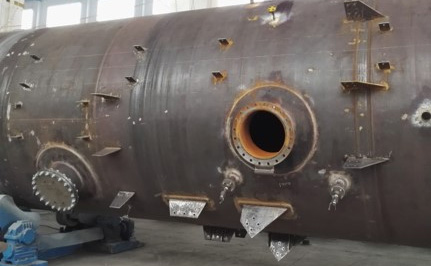
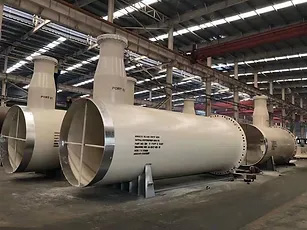
  • Pressure Vessels
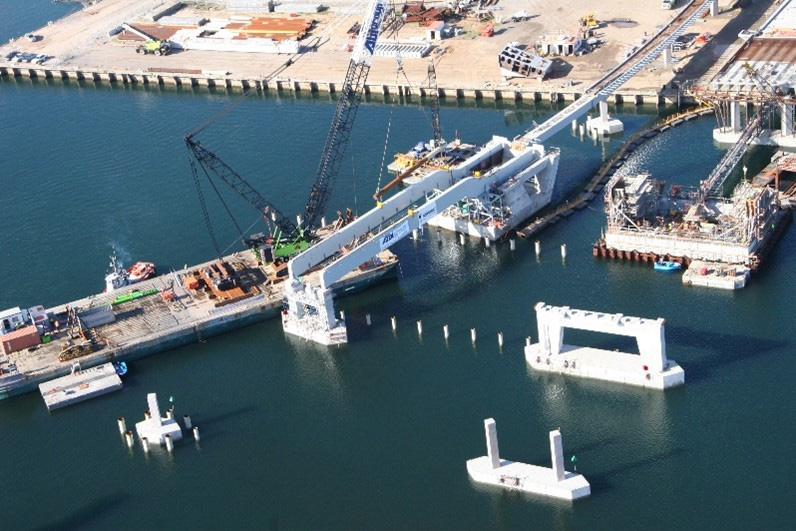
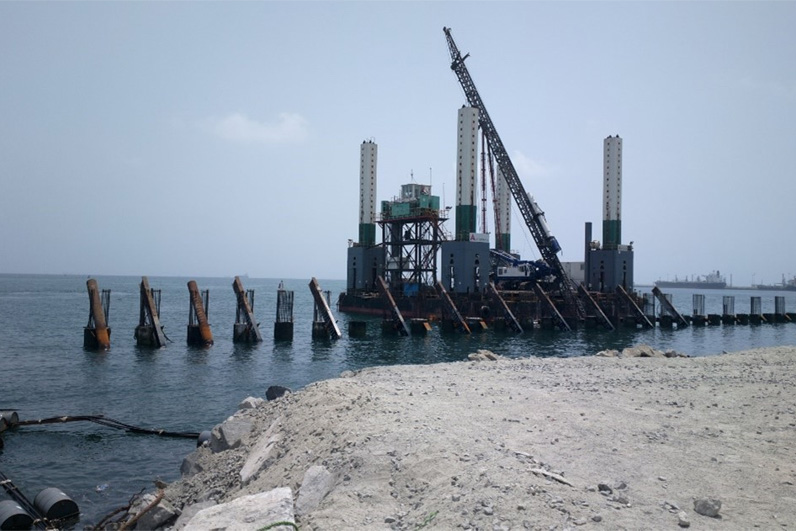
  • Marine Structures
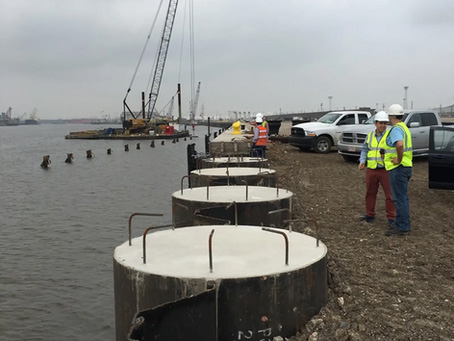
  • Foundation Solutions

One of the criteria that qualifies a metal fabricator is its capability to design and formulate engineering solutions for different project specifics. A metal fabricator should be able to work with drawings, translate drawings and specifications to shop drawings, and design a project from scratch if necessary including undertaking field investigation works.

ESC Engineers are from a wide range of backgrounds, including aerospace, mechanical, civil, offshore oil & gas, nuclear, renewables and more. ESC’s engineering skill sets includes:

  1. Engineering Calculations
  2. 2D and 3D CAD drawings
  3. Design Software such as Finite Element Analysis
  4. 3D visualization and animation
  5. Material Engineering including Quality Tests

When combined, ESC fabrication facilities and logistics assets sums up to the following statistical figures:
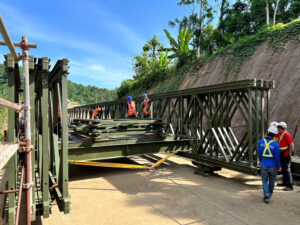
  • 300,000 mT Annual fabrication capacity in total more than 15 factories
  • 5,381,955 ft2 (500,000 m2) covered fabrication working shop areas
  • 1,076,391 ft2 (100,000 m2) covered blasting and painting working shop
  • 21,527,821 ft2 (2,000,000 m2) open yard area in total more than 15 factories
  • 800T gantry crane
  • 2500 mT lifting capacity of floating crane
  • 1800 mT per work piece can be handled and load vessel directly
  • 328.084 ft (>100 m) long work piece can be handled and load vessel directly
  • 26,247 ft (8000 m) waterfront shoreline with more than 20 berths for international vessels.
EXPERIENCE
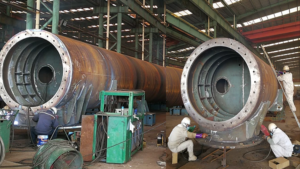
With ESC’s well-established facilities in United Arab Emirates and China, and its vast global sales and logistics network, the Company has been providing structural steel fabrications around the world for more than 30 years. Our track record in different continents and regions demonstrates a hard-earned success and recognition as characterized by a wide variety of project types and magnitudes – from small components to large structures. Some of our accomplishments are as follows:

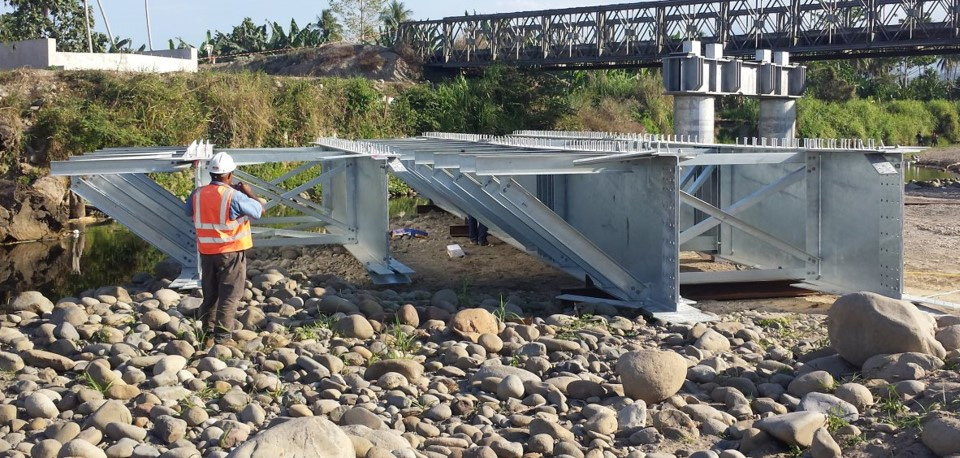
  • 4 Steel Bridges (Papua New Guinea)
  • Coated Steel Girders for 12 Bridges (New West Britain)
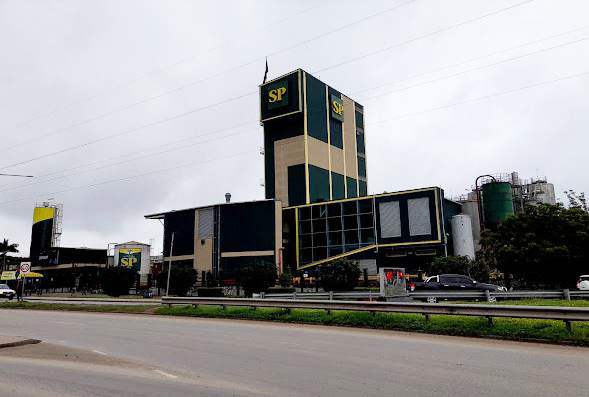
  • SP Brewery Prefab Steel Building (Papua New Guinea)
  • Hinkley Point C – Temporary Jetty Steel Piles (United Kingdom)
  • Tug Harbor Pontoons (Australia)
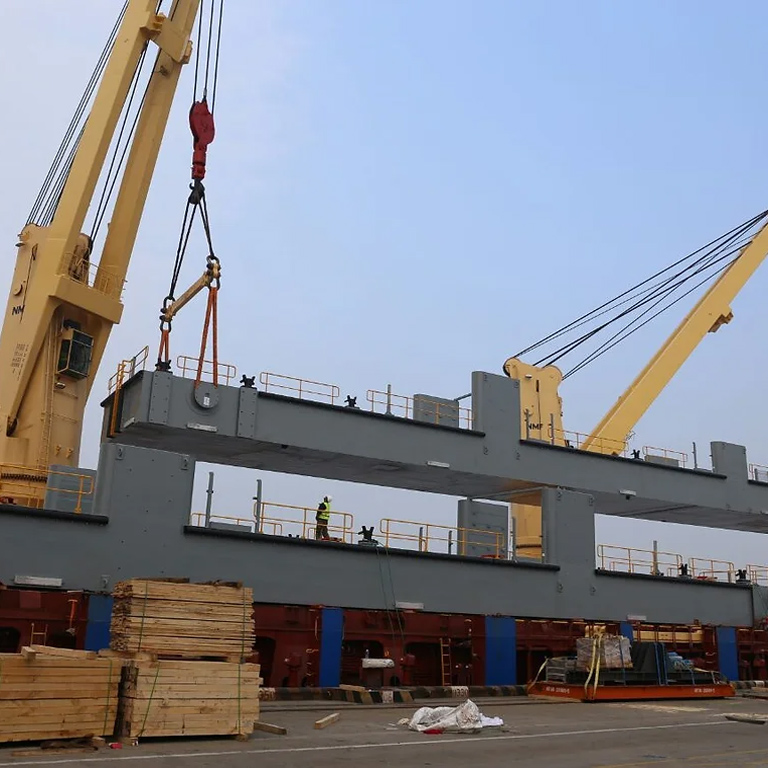
  • Modular Transport Beams (United Kingdom)
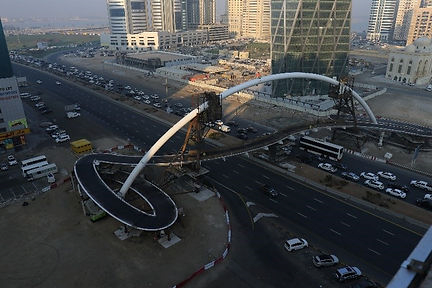
  • Al Ittihad Road Footbridge (United Arab Emirates)
  • RAAF aircraft Hangar (Australia)
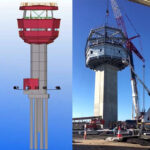
  • TWR Control Tower (Australia)
  • 2 sets Access Chamber for Rondout Tunnel (New Yok, USA)
  • Mare Harbor Upgrades (Falklands)
  • Greensport Terminal (USA)
  • Islington Warehouse (Australia)
  • International Container Terminal (Philippines)
  • Bridge Spuds & Ornamental Steel Structures (Philippines)

Others:

  • Hundreds of Marine Projects in Asia, Africa, North & South America, Europe, Australia, and even in the Antarctic Region. It includes Harbors, Jetties, Shipyards, Docks/Berths, Quay Walls, Seawater Intakes, Oil & Gas Platforms, Underwater Pipelines, Offshore Structures, Water Channels, Flood Control Projects, and many more.
  • Hundreds of other types of structural steel fabrication projects involving Foundation Solutions, Cofferdams, Earth-retaining Systems, Reclamation Projects, Tunneling Systems, Sewerage & Drainage Systems, Tanks, Excavation Support Systems, Strutting Systems, Bridges, and many more.
  • Hundreds of global projects utilizing fabricated materials such as sheet piles, pipe piles, combi-walls, trench sheets, trench shields or trench boxes, marine bollards, marine fenders, tie-rods & connectors, struts, and so many more.
  • ESC’s complete list of projects can be viewed at www.escglobalgroup.com/project
STANDARDIZATION/CONSISTENCY/QUALITY

ESC and its prequalified factories offer a diversified set of international certifications enabling it to undertake complex projects around the world in adherence to country and/or region specific standards. The certifications cover special fabrication, welding, testing, quality management systems and corrosion protection systems.

Company Certifications:

  • American Institute of Steel Construction (AISC)
  • Europian Union (CE)
  • EN 1090
  • ISO 9001, 14001, OHSAS 18001
  • American Welding Society (AWS)
  • China National Accreditation Service for Conformity Assessment (CNAS)
  • American Petroleum Institute (API)
  • ASTM International
  • ISO 3834
  • Canadian Welding Bureau (CWB)
  • Australian Certification for Reinforcing Steel (ACRS)
  • American Society of Mechanical Engineers (ASME)
  • International Zinc Association (ZINC)

Personnel Certifications:

  • Personnel Certifications:
  • American Welding Society (AWS)
  • American Society for Quality (ASQ)
  • American Society for Non-Destructive Testing (ASNT)
  • Chinese Mechanical Engineering Society (CMES)
  • International Institute of Welding (IIW)
  • Institution of Mechanical Engineers
  • LEAN Six Sigma
  • Project Management Professional
  • Society for Protective Coatings (SSPC)
  • NACE International
  • Society of Manufacturing Engineers

Company Memberships:

  • ASTM International
  • North American Excavation and Shoring Association (NAXSA)
  • National Utility Contractors Association (NUCA)
  • World Association for Waterborne Transport Infrastructure (PIANC)
  • Society for Protective Coatings (SSPC)
  • Deep Foundations Institute (DFI)

ESC products are produced and designed in accordance with the latest international standards (ASTM, AS/NZ, BS EN, DIN and more) as well as ISO 9000 Quality Management Systems.
CUSTOMER SERVICE

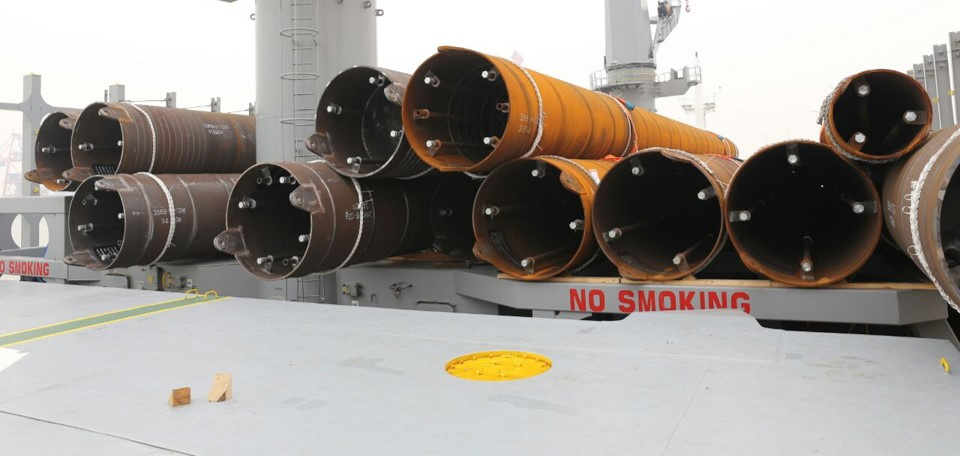
ESC’s global network is well positioned to serve its customers with a group of strategically located offices in more than 20 countries in the following regions:

  • Asia & Middle East
  • Australia & Oceania
  • Africa
  • Canada & USA
  • South America
  • North America
  • Europe

We offer clients a dedicated project engineer for every work order, who is the focal point for communication and technical queries. This make project management more seamless and hassle-free to the client. We understand the need to interact closely with contractors, design consultants, owners and other project stakeholders.

ESC’s proximity and complete list of offices can be found at www.escglobalgroup.com/contacts.

PRICING

Prices differs from fabricator to fabricator, obtaining quotations from many providers and comparing the provisions in details is always an advantage in understanding the real extent of the project. The best metal fabricator for a specific job won’t necessarily have the lowest price or the biggest name in the business, there are parameters to look at instead when comes to identifying a company that can provide competitive proposals or prices:

  • Proposal adapts to available budget and comes up with a sound, practical solution without sacrificing any of the project essentials.
  • The fabricator has wide influence and material purchasing power
  • Knows standard and realistic prices 
  • within the industry
  • Can devise and explain the most cost-effective approach for all kinds of projects
  • Has complete control of shipping and logistic operations including costs

ESC’s reputation is built on excellence and commitment in providing high-quality, efficient, and cost-effective solutions. We are capable of providing competitive prices by adhering to engineering innovations and advance technologies that enhances safety and product quality, reduces unnecessary operational costs, and creates added value to our products and services.

TO WRAP IT UP

The purpose of planning and scheduling is to eliminate or reduce possible risks that may occur in the implementation stage. In any case, selecting a company which has the experience with your type of project is a smart decision

This is simply because a well-experienced company is always a step ahead among others in identifying, avoiding, or dealing with implementation surprises and turnarounds which can be really painful and costly.

At ESC, we don’t say we are the best. But we say WE’VE BEEN HERE FOR MORE THAN 30 YEARS AND WE KNOW HOW IT IS DONE.

Please don’t hesitate to reach us at our office nearest to you. At ESC, we say “YES” and “NO” with CONFIDENCE.
Pre-Engineered Building vs Conventional Buildings: Which is Better?

Over the years, building technology has been constantly developing and innovating from conventional building techniques to one of the most recent construction innovations, the pre-engineered buildings (PEBs) also known as prefabricated buildings. But which type of building structure is better? If you plan to build a new building project, it is important to consider some important parameters to help you decide which type of structural building technique is more cost-effective and sustainable.

Pre-engineered buildings are built mostly in steel and are factory made, shipped to site, and bolted together. The rigid framing completes the roof, beams, and columns.

Then other exterior panels are assembled, along with structural elements and accessories. Pre-engineered buildings revolutionized the construction market with its built-up sections in place of conventional hot-rolled sections. Larger column-free area sets PEBs apart, compared to its conventional counterparts.

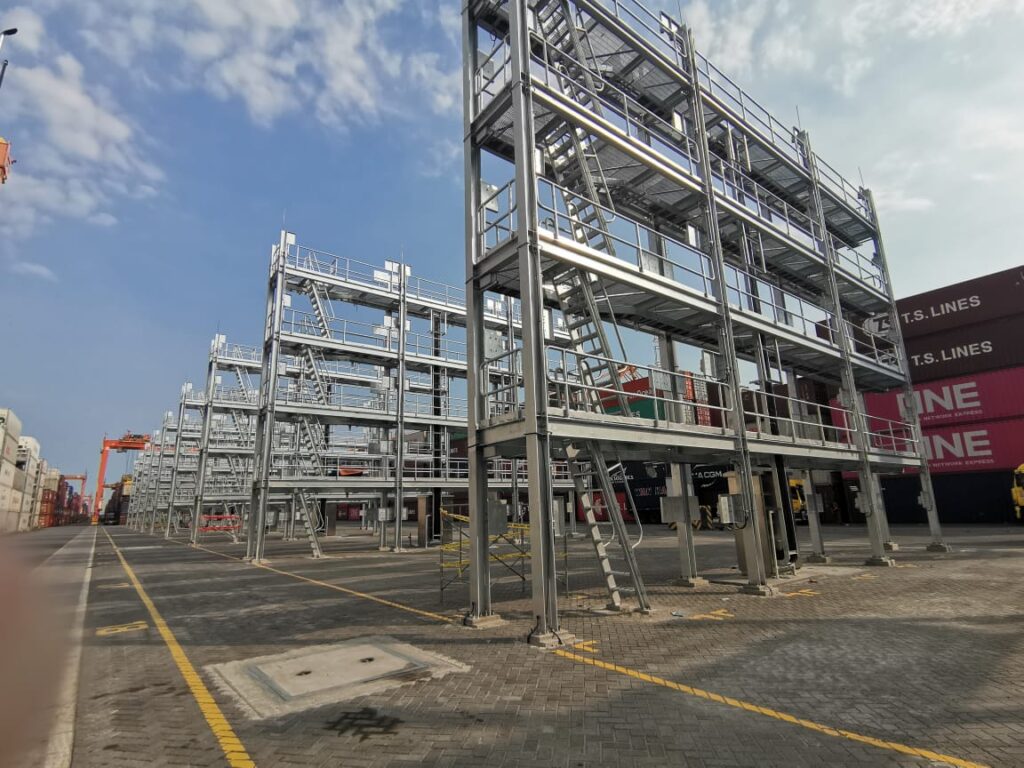
                                                                                    Pre-engineered Building Reefer Rack

Conventional buildings on the other hand are traditional buildings consisting of steel, brick, and cement sections. These are fabricated and assembled at the site. Conventional building methods involve welding and cutting, which is done largely at the construction sites. A conventional building is designed from scratch, requiring substantial designing inputs, and detailing of the intricacies done by consultants.

Pre-fabricated Steel Buildings Installation on Site

Here we have differentiated between the pre-engineered buildings and conventional buildings on various parameters which will help you understand a proper comparison between the Pre-engineered buildings and conventional buildings.


Parameters
Pre-engineered Building
Conventional Building
Weight
About 20-30% lighter than the conventional buildings.
Structural members of the conventional buildings are Hot Rolled, which makes the building heavy-weight.
Structure
Primary members are tapered. Secondary Members are light weight & rolled framed ‘Z’ & ‘C’ sections
Primary members are hot rolled ‘I’ sections. Secondary members are ‘I’ & ‘C’ sections which are heavier in weight.
Design
Software based Standard designs that are replicable. The design of a PEB structure is efficient due to its integral framing system.
Partially automated designs with manual intervention. Requires more time and offers less precision in design.
Delivery Timeline
The components of the PEBs are designed at the factory, so it requires significantly shorter duration for its construction.
The delivery of conventional buildings are prolonged as compared to the PEB structures and can extend depending on complexity.
Foundation
Simple design and easy to build as the structural weight of the building is low, it requires a simple design foundation.
Substantial investment in foundation work as the weight of the building is greater, so it requires more cost for the construction of the foundation.
Erection Process
Easier, faster, and safer.
Labor intensive.
Seismic Resistance
The PEB offers good resistance against seismic actions due to its lightweight and flexible members.
Conventional Buildings cannot withstand seismic actions due to their heavy rigid members.
Sustainability
Reduced wastage and lesser impact on environment due to lean construction.
Wastage and energy consumption.
Flexibility
Future expansion is simple, easy, and cost effective as PEBs can be easily expanded in width as well as height by adding additional bays. Single supplier can coordinate changes.
Revisions or additions can be difficult and costly due to extensive redesign.
Performance
All components are specified and designed to act together as a system, for maximum efficiency, precise fit and performance.
Components are designed in general for possible use in many alternative configurations.
Accountability
Single source responsibility.
Multiple vendors involved.
Overall Cost
Lower cost due to the saving in design, manufacturing and on-site erection cost.
Applications
Best suited for industrial, infrastructures and warehousing projects.
Best suited for commercial establishments, institutional structures, industrial and residential applications.

Both pre-engineered and conventional buildings have their own advantages. Choosing the right kind of building structure depends on design requirements and materials your project demands. One must consider budget, safety, durability and maintenance before arriving at a decision.

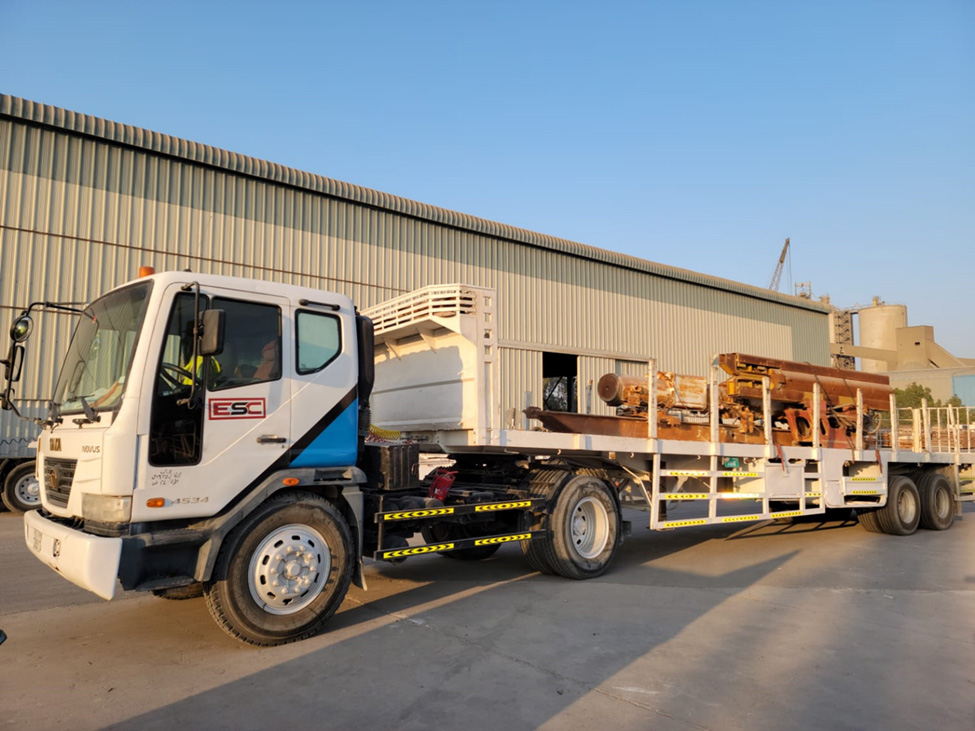
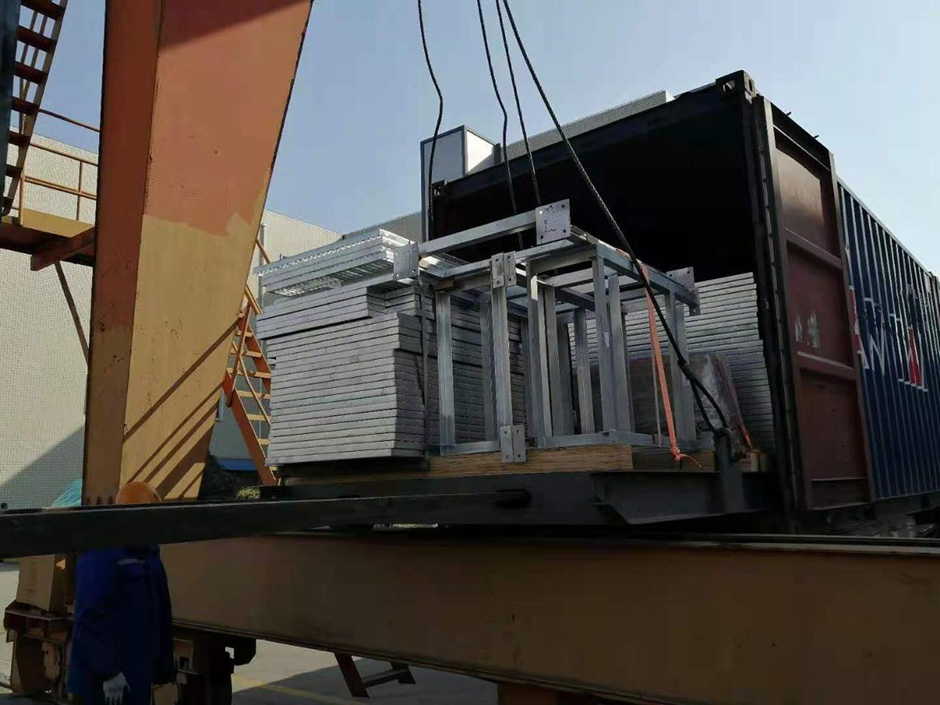
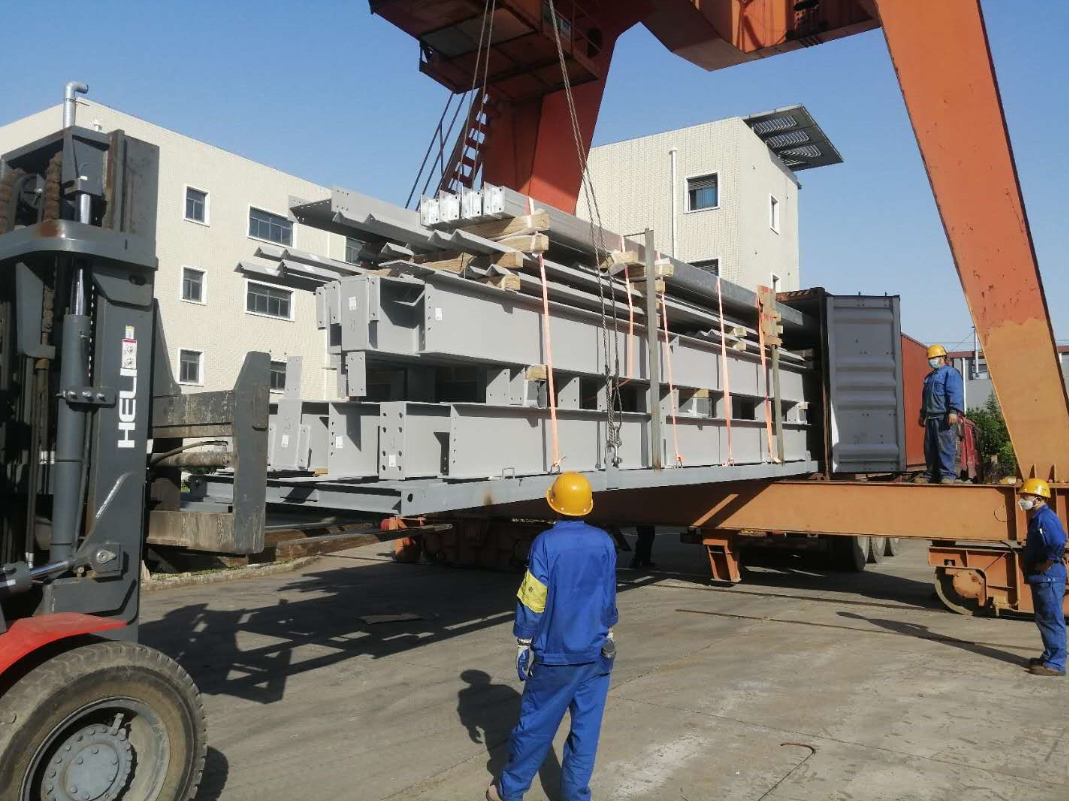
                                                                    pre-engineered building components loading for shipping

ESC can supply an assortment of prefabricated steel buildings also known as pre-engineered steel buildings (PEB), for a wide range of applications: from workshops, agricultural buildings, aircraft hangers, dealerships, industrial buildings, retail stores and more.

Utilizing steel is a sustainable, cost effective and very durable building material solution. It easily meets both aesthetic, technical requirements of a range of building codes around the world. ESC’s full service along with its roster of industry experts in engineering and manufacturing allows fabrication to follow all the way from the factory to site, providing hassle free solutions to its customers.

Other Steel Structure Fabrication Capabilities

Miscellaneous steel items for the Material Offloading Facilities
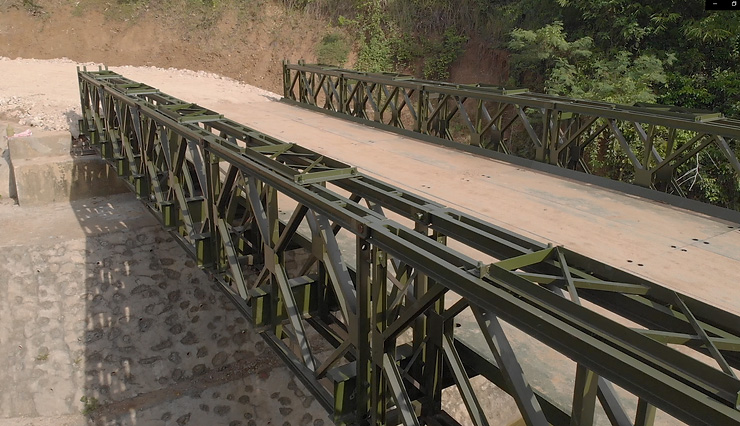
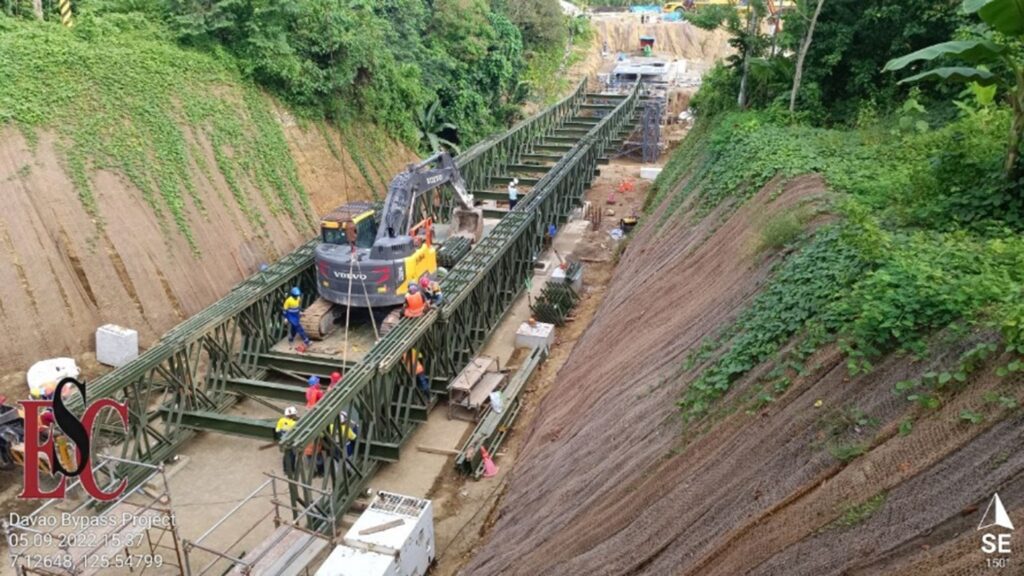
Bailey Bridge
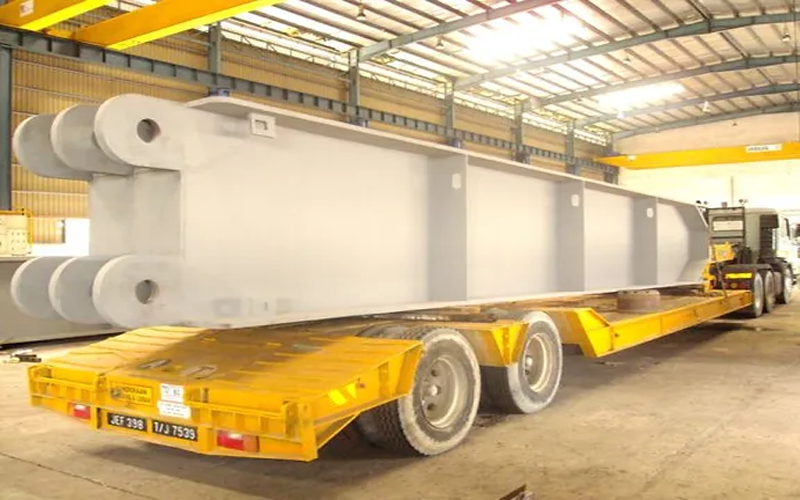
Auxiliary bridge fabrication - Structural steel bridge component
Auxillary Structures
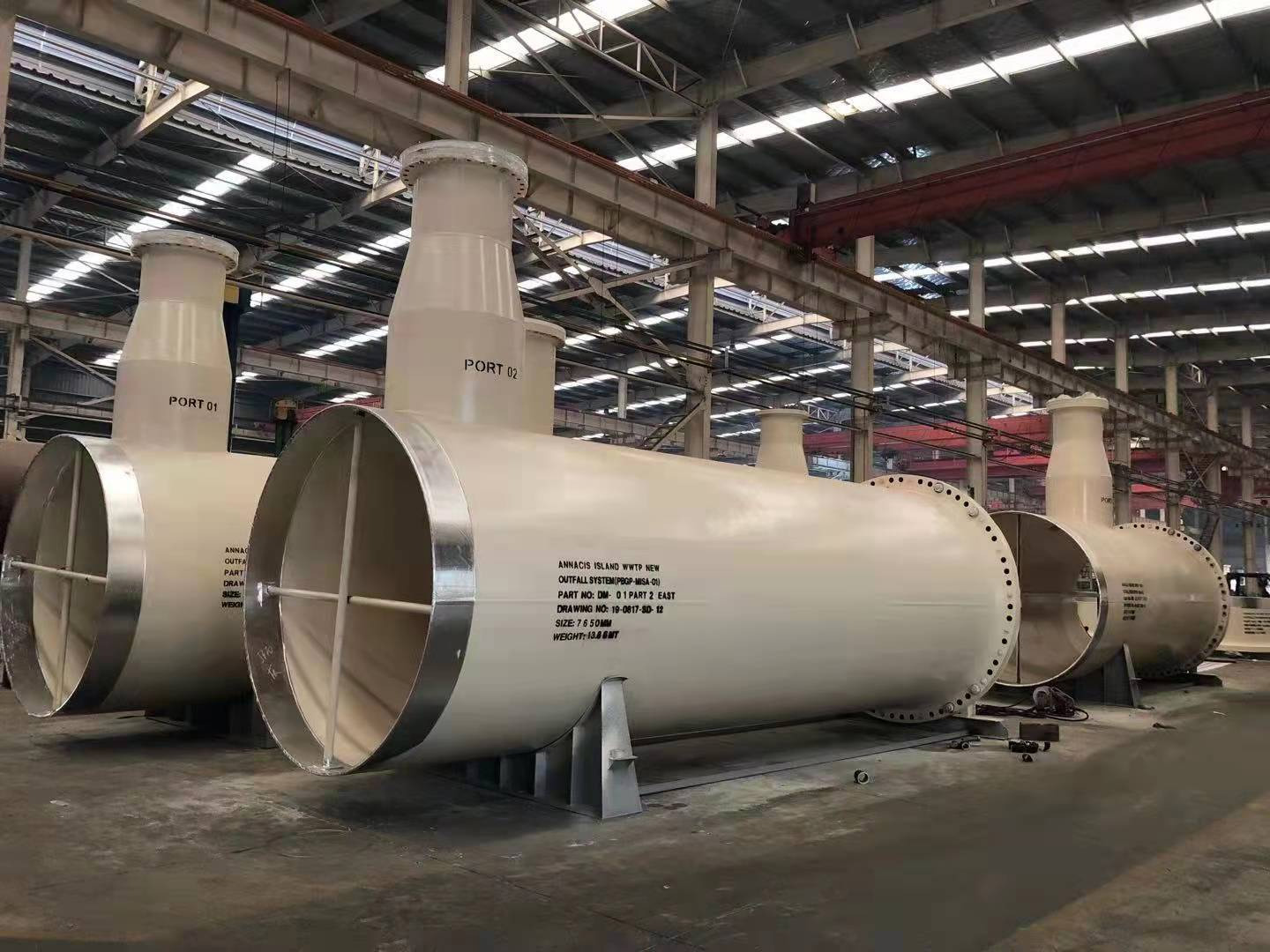
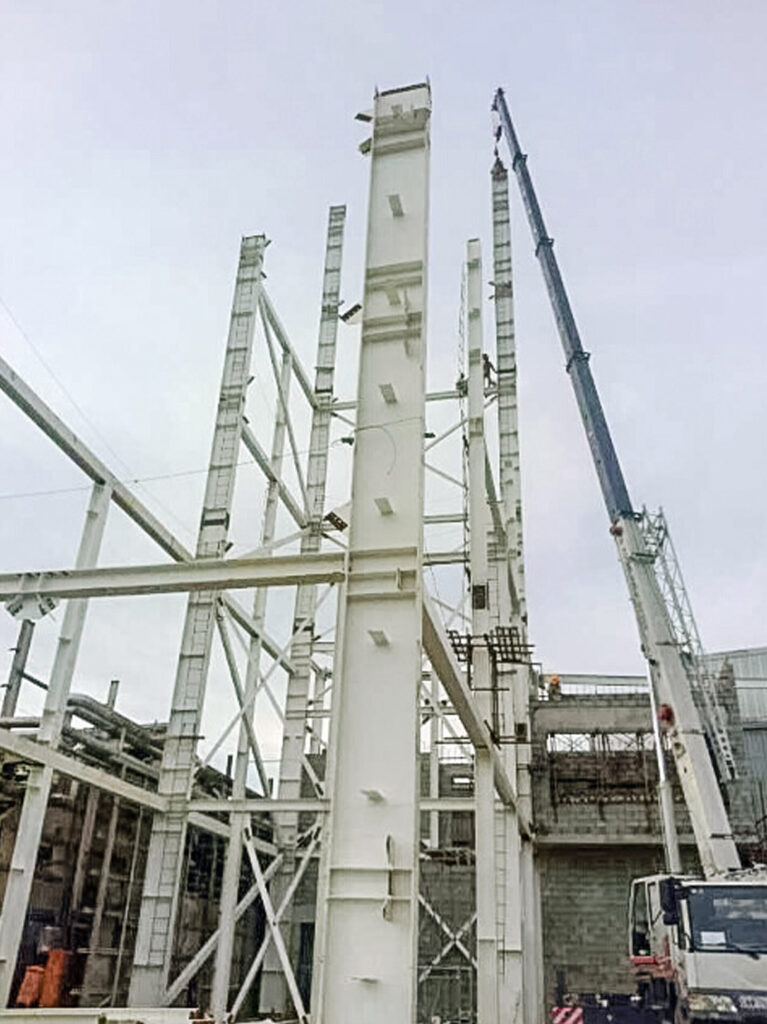
Wasterwater Treatment Plant

ESC is an expert steel structures fabrication company, Contact ESC to discuss your requirements.

Why Work with a Structural Steel Fabricator for Your Construction Project?

Globally, structural steel is a top option in all sorts of building structures. A steel structures fabrication company may facilitate speedier construction. Steel is manufactured at a structural steel fabricator’s warehouse and then brought to the construction site. There, it is installed with ease and precision Are you ready to use a structural steel fabricator for your next construction project? Here, we’re sharing the benefits of working with a structural steel manufacturer.

 
Custom Structural Steel Is Economical and Faster to Install

Structural steel can create a huge reduction in the overall cost by the accumulation of savings in logistics, construction time, equipment cost, labor cost, and material cost.
Cost comparison studies has found structural steel to be 18% cheaper than reinforced concrete when constructing a building frame and 6% lower in terms of total building cost.

They also have the potential to reduce construction time significantly because of high precision of measurements, bolted connections which can be done by hand tools, and production which can be completed in parallel with foundation works schedule. Construction duration of Structural Steel Buildings (SSB) or Pre-Engineered Steel Buildings (PEB) are about 10% shorter compared to conventional structures.

Custom Structural Steel Is Lightweight and Safe

Structural steel building can be 30% lighter than conventional building when properly designed and constructed. This is a factor that can greatly reduce the costs of foundation works and the overall degree of construction difficulties.
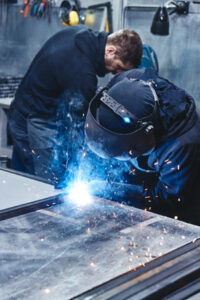
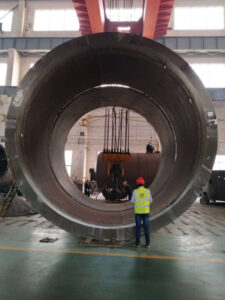
During construction, the structure can also be completed more safely due to limitations in volume of equipment & workers involved, scope of hazardous works, and time of exposure to daily risks.

Furthermore, steel is non-combustible. It does not ignite nor spread flames. It is also  resistant to rust and corrosion when properly coated or jacketed, it does not mold or mildew, and resists splintering and shattering during extreme movement.

Custom Structural Steel have Pleasing Appearance and High Quality

Structural steel is visually attractive. Many architects and designers prefer to expose structural steel elements rather than conceal them with other materials. Steel also pairs nicely with other modern architectural elements like glass and fiber concrete.

Structural steel can also be fabricated into numerous shapes or geometrical configurations such as arches, twisted sections, splines, and more. Structural steel is naturally the expression of minimalist and modern architectural designs.

High quality of fabricated and manufactured structural steel can be assured due to production of all components in highly regulated, controlled, and automated environment. All steel units are precisely formed to shapes, sharp edges, dimensions, and required interconnection integrity.

Custom Structural Steel Is Strong and Durable


Steel is an excellent tensile and compressive material. Its ability to bend without easily cracking or breaking are inherent advantages of structural steel. Compared to all other materials, structural steel has the greatest ability to maintain strength and integrity during extreme events.

Being lightweight, structural steel are found to react positively to the said extremities such as strong winds. Besides, structural steel has been favored by Engineers for multi-storey buildings especially in areas with high seismic activities like Japan.

Custom Structural Steel Allows Flexible Designs

Aside from all of the benefits and reasons why you should use structural steel while building your home, it also offers you design freedom.

Architects may go beyond the box, developing ideas for homes that are distinct and distinct from the other homes on the block. With your design, you may transform your home into a work of art.

 
Steel Is a Sustainable and Green Material

Being 98% recyclable, steel is the most recycled material in the planet and has low carbon footprints. It is highly regarded as a green building material due to its capability to reduce wastes and pollution by significant numbers.

Steel is one of the most sustainable materials in the world because it loses none of its strength or other physical properties even after repeated recycling. Deteriorated steel and steel scraps can be melted and formed into desired forms endlessly. Demolished but sound structural members can also be transferred, re-used, or re-configured.

Additionally, steel-making process has a 95 percent water recycling rate with no external discharge making the operation conservative and environmental-friendly.

Work With a Structural Steel Fabricator For Your Next Construction Project

Reputable steel fabricators and providers always employ a recognized and dependable source with years of expertise and experience. Ideally, they provide a whole service, from product design through manufacturing and installation, relieving contractors of this burden and allowing them to focus on other elements of the construction.

If you are seeking a structural steel fabricator, go no further than ESC Steel Structures. ESC Steel Structures has been in the steel market for many years and believes in offering excellent steel to clients for any project. Visit our website to learn more about how we can help you!

ESC Steel Structures Recent Projects
Temporary Bridge Spuds, Philippines
Fender Installation Platform, Canada
4 Bridges in Oro Province, PNG
Al Ittigad Structural Steel Foot Bridge
Al Ittihad Footbridge Steel Arch, UAE
Modular Transport Beam, United Kingdom
Rondout Pressure Vessel, USA

What are the Applications of Structural Steel in the Construction Industry?

Structured steel is a category of steel used to create construction materials formed into different configurations, depending on how it’s used. Think of it as the backbone of your construction projects, for it’s incredibly versatile and reliable.

Iron and carbon are two of the main elements of structured steel. The more carbon is added, the greater the strength of the steel. Other chemicals are also added to enhance strength, improve the economics of use and deliver less or more ductility.

Uses of Structural Steel

One of the most important resources in the construction industry is structured steel. Below are its common uses:

Bridges – With thousands or millions of cars passing over bridges, the material used in its construction must withstand pressure stress. One of structured steel’s biggest benefits is that it can be created to significantly improve strength so that it serves its purpose.

Bridge Girders

Steel Girders, Box Girders, H Girders, Truss Girders, Pipe Arch Girders, Bailey bridge, accessories and other miscellaneous items for bridge construction.

High-Rise Buildings – Structural steel can incredibly resist wind, earthquakes, or other natural disasters because of its strength and flexibility. They will not break under extreme pressure. Also, when building high-rise structures, it’s entirely possible to speed up the construction process with steel.
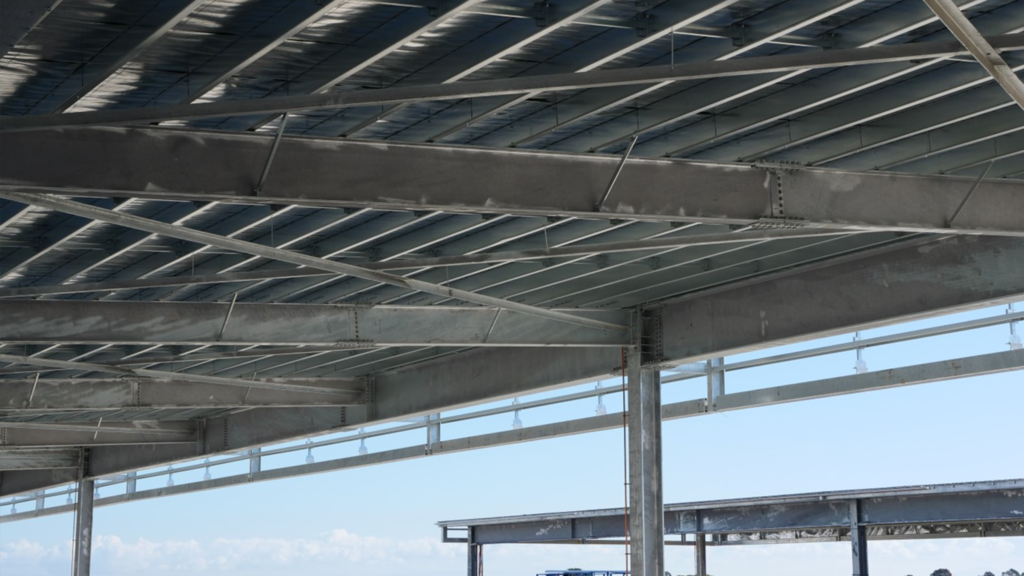
Industrial Buildings – Structured steel is designed to have a high strength-to-weight ratio and is highly durable. They are also cost-effective, and the pre-made parts are easily assembled. These two factors made structural steel suitable material for industrial structures.

Industrial workshop plants, Processing plants, Power plants

Residential Buildings – Using light gauge steel in residential buildings ensures the structure will last for several years. Also, the flexibility in the structured steel makes them the best material for residential buildings situated near the coast or earthquake faults.

Commercial towers and Public Building– Structural steel is ideal for this type of construction because of its track record of delivering cost-effective and high-quality structures. Structural steel can withstand extreme weather conditions such as rainstorms, hurricanes and earthquakes. They are also adjustable and very flexible.
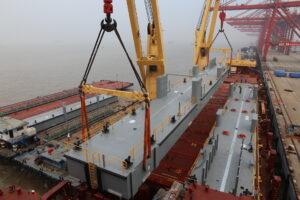
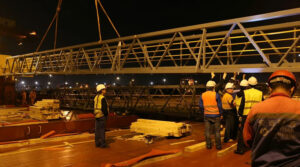
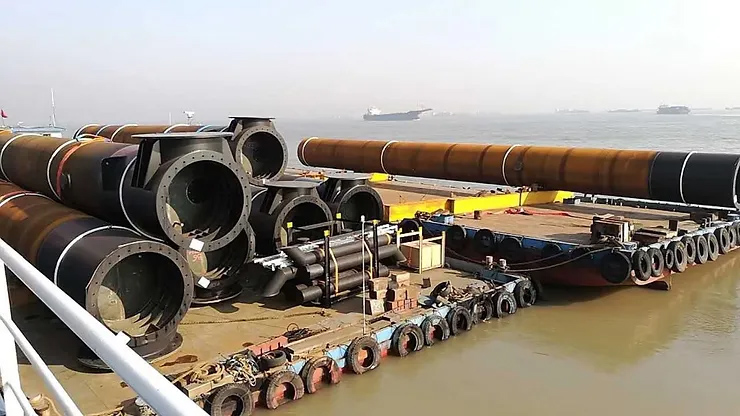
Depending on the design of the building, the panels can be altered to fit various size requirements. Its versatility allows for more expansion compared to traditionally constructed buildings.

Shopping center, airport terminal, railway station, stadium, museum, art center, theme park etc.

Port Structures and Marine Works – Steel is suitable for port infrastructure and marine structures especially in high design loads however it may corrode when exposed to oxygen and salt water. But it can be minimized so long as there is a planned maintenance system. Also, it’s preferred in these types of structure compared to reinforced concrete due to high labor associated in concrete structure.


Pontoons, Gangways, headstocks, pile heads, mooring dolphins, berthing Dolphins, dredging, Jackets , and accessories, Navigation beacon.

Hydro Power & Wind Farm – Steel is required in these types of construction. Without it, it would not be possible to create a renewable energy source such as wind turbine or hydro power. It plays a crucial role in all renewables especially wind and solar — both require tons of steel.

Penstocks, water gate, trash racks, Pile legs, towers, foundation embedment

Modules & Offshore Platforms – Offshore structures, large oil ducts and drilling structures are made of steel. The usual method is fusion welding where the joining material is the same as the base material.

Marine structure module, processing module, floating module, subsea modules, platforms, risers and jackets.

Steel Structure Fabrication

Fabricating steel is a complex process and should be handled correctly as there are risks involved. Your project’s long-term viability may be compromised when the structured steel doesn’t meet industry standards for composition and tolerances. In the US, steel grades are regulated by ASTM International. It’s crucial that you hire third-party fabricators as they strictly adhere to industry standards.

The fabrication process involves cutting the structural steel, bending, and assembling them. Welding to combine the structures together is also crucial to making the material stronger. The ability to mold and bend steel into a variety of shapes and sections make them the most versatile and cost-effective construction material. It’s also 100 percent recyclable, making them the most sustainable option.


However, it’s essential that you hire the right fabricator. We suggest that you go with third-party steel fabricators as they have more experience and are incredibly competent are fabricating them.

That’s where ESC Steel Structures comes in. We are the top provider of structural steel fabrications worldwide. Our goal is to consistently provide high-quality and timely delivery of our products. Contact us today for a consultation.

Frequently Asked Questions About Structural Steel Fabrication

One of the most widely used metal alloys in the world, steel is important for many uses. Indeed, steel is among the most vital materials for engineering and construction. Structural steel may be used, for example, to construct buildings, bridges and offshore structures, as well as being used in the rail and mining industries. Here are answers to common questions about structural steel.

(more…)

Bailey Bridge

Known as a portable prefabricated steel truss bridge, Bailey Bridge is extensively used in various applications. Developed and introduced in 1940’s by an English Civil Servant and Engineer, Sir Donald Bailey. Used during the second world war by the British, Canadian, and Military units. The concept behind the Bailey Bridge was to offer a temporary bridge that could rapidly and manually be created in emergency situations.

This was due to its girder and deck systems that can be strengthened at will and constructed without requiring special tools or heavy equipment. The elements and materials should be readily available, not necessarily big and light but flexible. On top of this, they should be strong enough to carry and sustain loads like those of heavy tanks and other machineries.

The bridge boosts socio-economic development by establishing vital connections and delivering supplies, especially to distant areas.
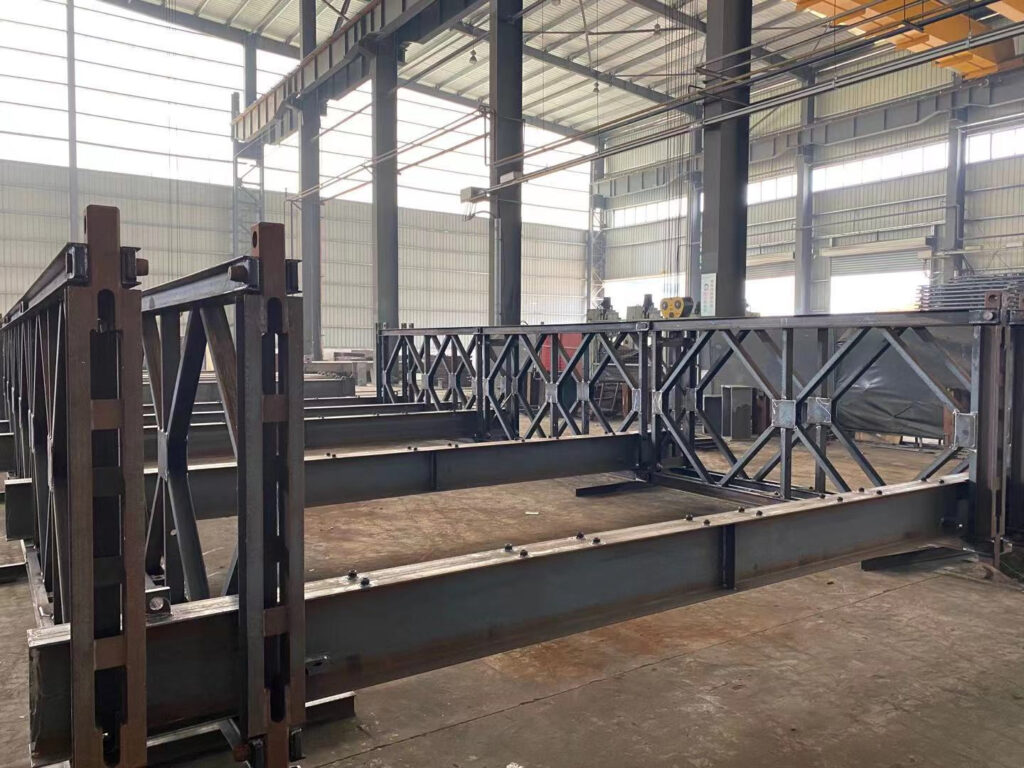
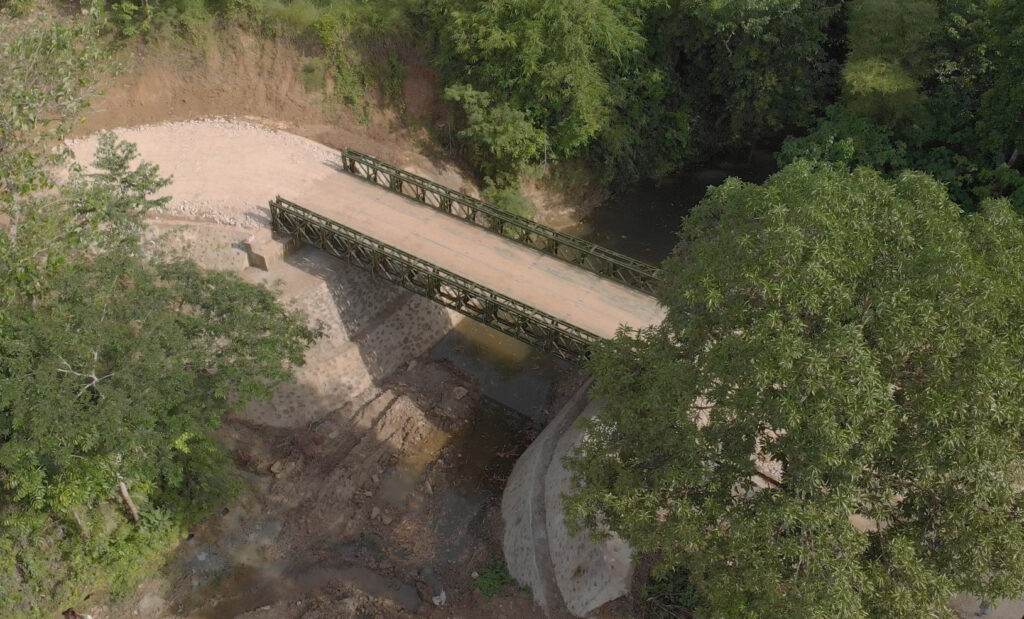
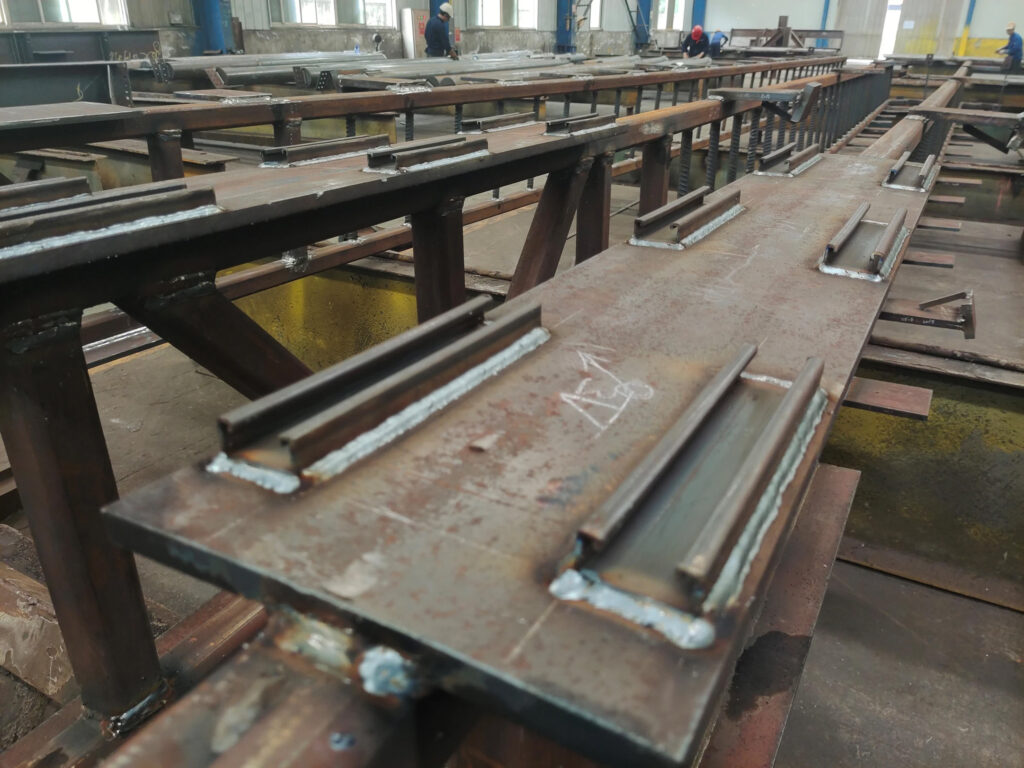
They are instrumental in assisting isolated villages to this day to access larger communities where education and medical resources may be more available. Bailey bridges can assist significantly during humanitarian relief situations to extend help in emergencies brought by natural disasters, war, or terrorism.

ESC Group started offering Bailey Bridge options in 2020 -an add-on to the company’s structural steel division. The success with its fabrication and sales shows great potential in different regions for provisional, makeshift, and permanent bridge structures. Focus will be firstly on Asia and Latin America for sales.

The ESC-HD-100 Bailey Bridge – derived from British 321-Type is suitable for short to medium spans or light to moderate loads.

It can stand to a maximum free span length of 51 meters (167.30 feet), with a deck net width of 4 meters (13.10 feet). The bridge panels are composed of welded high-grade structural steel elements. The girders are lightweight composite panels connected by sturdy steel pins.

Panels and components of the steel bridge are easy to handle and transport can be interchanged. Being lightweight, this bridge type is guaranteed for emergency and difficult situations.
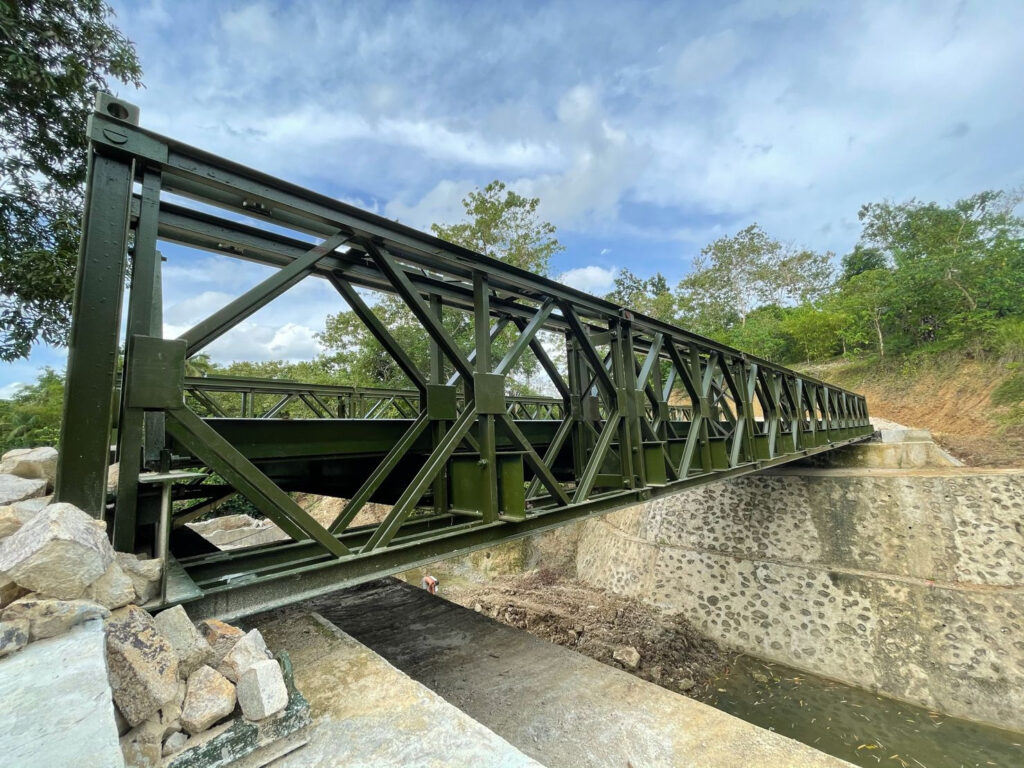
 Different configurations and dimensions of bridge panels can also be custom built. They can also be assembled into different forms of panel bridges according to their span length and transportation requirement.

The upgraded version of ESC-HD-100 is the ESC-HD-200 Bailey Bridge. With panel heights increased to 2.13 meters (7 feet), it can cover a maximum free span of 60.96 meters (200 feet) for single-lane width and 45.72 meters (150 feet) for double lane width. In this model, joints between panels are located alternately against the joints between reinforcement chords to reduce inelastic deformation due to oversized pinholes.
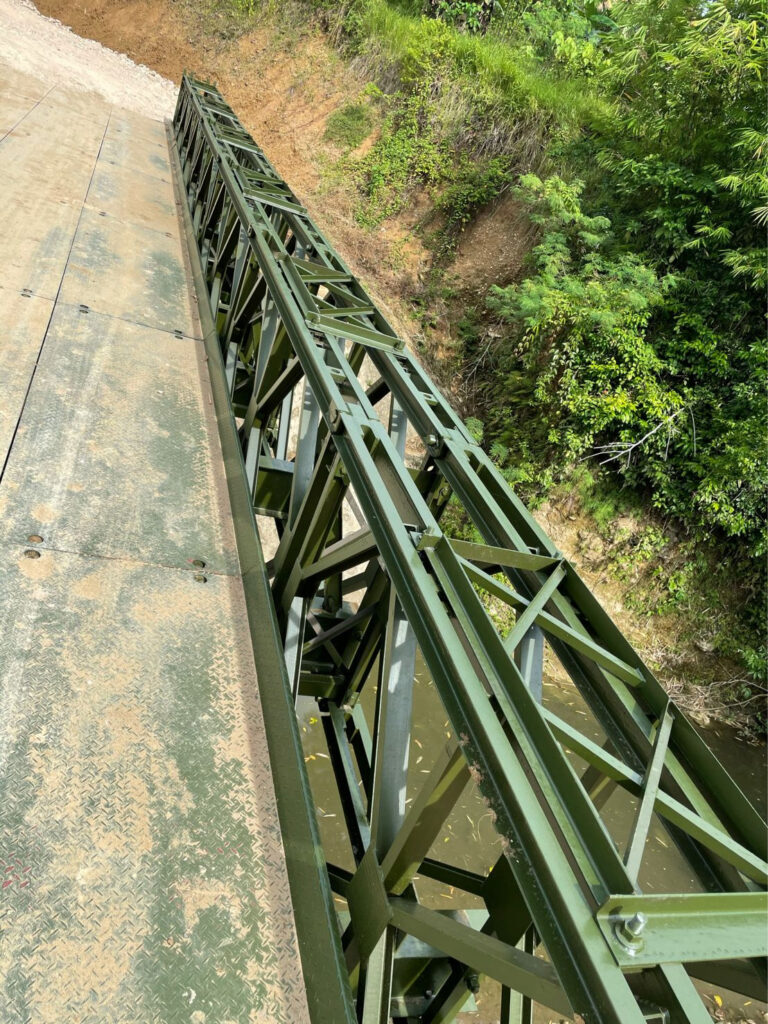
Pre-arch or camber is employed to counter deflection of the bridge at the mid-span.

All bolted connections are equipped with orienting sleeves to ensure that compression forces are absorbed by the sleeve and tensions by the bolts. This helps to increase the life span of the bolts and generally the safety of the panel bridge. Composite braces against wind loads are also provided and connected to the transoms or girders to enhance the overall stability of the bridge, especially against side bending.

Nowadays, Bailey Bridge is considered an engineering innovation due to the bridge designs’ continuous modern standardization and modularized nature. Bailey Bridge could be modified based on different span lengths and strengths. True to the original concept, the bridge was also made to be assembled and disassembled as needed.

For more information, you may visit escsteelstructures.ph: Bailey Bridge, Bridge Structures, Pre-engineered Buildings, Port & Offshore Structures, Offshore Platforms, Pressure Vessels, Steel Bridges, Mining Excavation, Steel Towers, Rail Infrastructures, and others.

Structural Steel Applications in Marine Construction

Structural steel has a wide variety of applications in the construction industry. It is one of the most used materials for building various structures. Likewise, structural steel also has a wide range of technical/engineering specifications, such as yield strength, ultimate strength, and ductility.


WHAT IS STRUCTURAL STEEL?

Structural steel is a type of construction material that can be formed into various shapes, depending on the intended use in a particular project. Examples of standard shapes for steel sections are pipes, tubes, angles, channels, and wide flange sections. These shapes can be used for different parts of a structural framing, such as beams, girders, purlins, and columns.

There are also different methodologies on how to create the previously mentioned steel sections. Two of these methods are hot-rolled, and built-up sections. Hot-rolled sections refer to structural steel being rolled from the mill in a monolithic manner. Built-up sections on the other hand are structural sections that can be formed into the specified shape by welding steel plates together.

Some of the commonly used shapes for structural steel shall be discussed in the succeeding sections.

STEEL PIPES

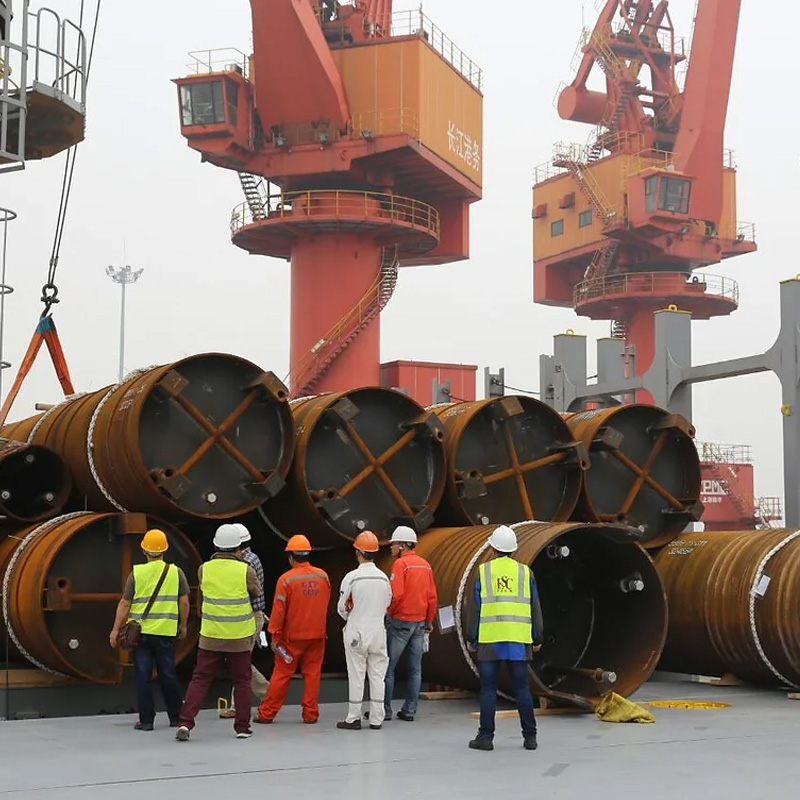
In marine construction, steel pipes are usually used as infill elements for a sheet pile wall. In between two sheet pile panels, a pipe is installed to provide a higher section modulus, which provides better resistance against lateral loads being applied to the wall during its useful life.

Structural Steel Construction along Marine areas

Steel pipes can also be used as foundation elements for wharf and pier structures. These pipes are driven to the ground until it reaches a competent subsurface layer to provide adequate support to these offshore structures.

 
STEEL H and W SECTIONS

Structural Steel Applied in the sea floorSimilar to steel pipes, wide-flange (W) and H sections can be used for offshore/marine applications. Most of the time, these shapes can be designated as beam and girder elements of a bridge framing system. These serve as main flexural members of the bridge and shall resist various gravity and lateral loads such as traffic loads, earthquake, and wind loads. W and H steel sections are also used as walers for retaining wall structures. Interconnected walers act as a continuous beam to evenly distribute forces from the sheet piles to the steel struts.
W and H sections are effective as beam elements due to its shape: the flanges contribute to high section modulus values, while having a reduced mass per unit length as compared to other structural shapes.

STEEL SHEET PILES

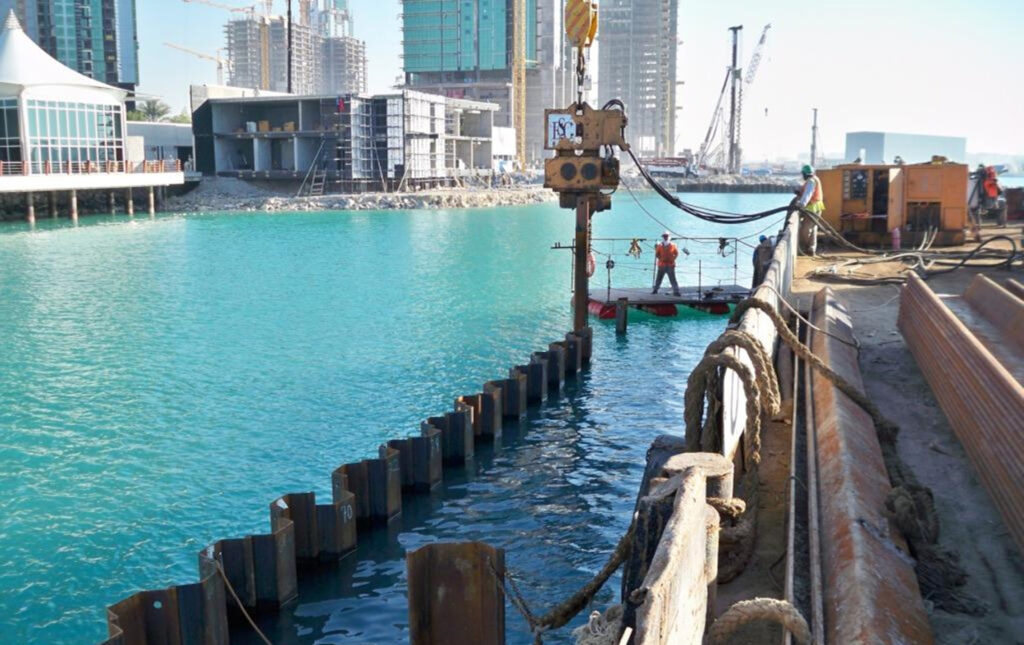
Sheet Pile Driving in Marine Environment

Steel sheet piles are commonly used in offshore applications as a water-retaining and earth-retaining structures. Offshore construction such as cofferdams, jetties, and quay walls often require steel sheet piles to form the wall components. Like steel pipe piles, sheet piles are driven into the ground at its most optimum design depth to provide overall stability of the structure. Sheet piles are connected using steel interlocks at its ends to form a continuous wall. The interlocks are then applied with a sealant to prevent any water seepage when the sheet piles are installed at the sea.

OTHER STRUCTURAL STEEL APPLICATIONS

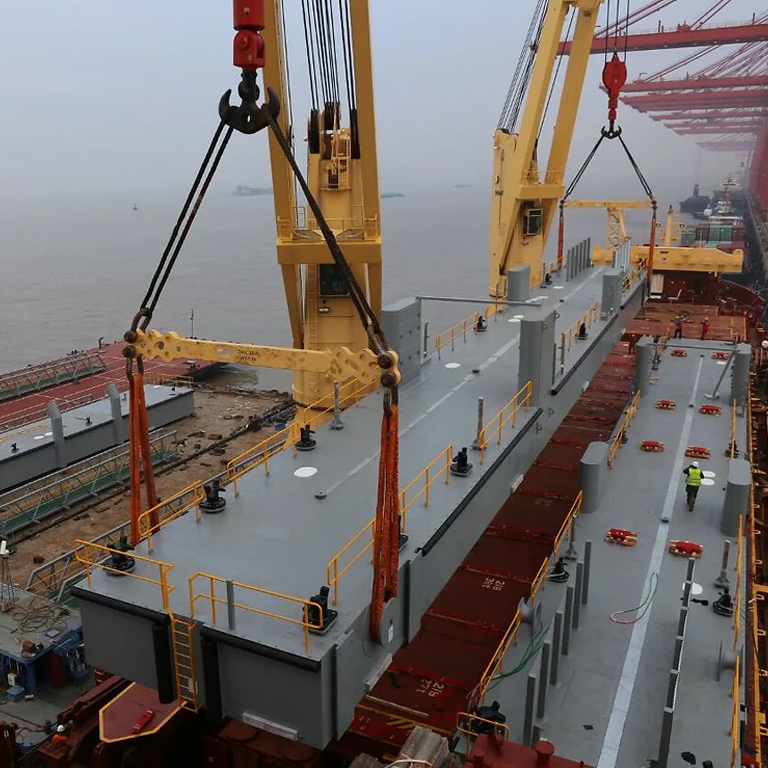
Tug Harbour, Steel Structure Marine Application

There are other structural steel shapes/sections that can be fabricated, as necessary. For special structures, non-standard shapes are usually required by the structural engineer to satisfy the desired flexural and shear capacity of the structure.

ESC Steel is a leading global supplier of fabricated structural steel sections. The capabilities of the in-house engineers and other technical professionals have led the company to working on a wide range of steel construction projects in a global scale.

Should you need structural steel for marine construction, or anything else, click here to get in touch with us today. We are always happy to help.

Steel-Concrete Composite Construction

Principle

Construction materials of different properties are combined to interact and respond against loads in synchronization rather than individually. These composite materials are physically connected to utilize their distinct strengths and features to form a single unit stronger than any separate parts.

Steel-Concrete Composite Construction is meant to achieve efficient and lightweight structural solutions for construction and other related industries.

Background

Steel-Concrete Composite DesignThis engineering and construction method has been widely practiced over a century ago, more dominantly involving the steel-concrete connection. Concrete-encased steel sections were initially developed as composites with the purpose of overcoming the effects of fire while ensuring stability against axial and bending forces.
Composite columns with reinforced concrete core and steel pipe or steel tubular shell were introduced to provide an integral and permanent formwork. Profiled galvanized metal sheets were also introduced to eliminate traditional formworks and at the same time, increasing the strength of reinforced concrete slabs.

Standards

  • Design of composite beams and composite slabs for buildings are covered by BS EN 1994-1-1
  • Design of Composite Steel and Concrete Structures are covered by BS EN 1990-1999 Eurocode 4
  • Australian Bridge Design Code, Section 6: Steel and composite construction
  • BS 5400 British Standard code of practice for the design and construction of steel, concrete and composite bridges
  • ASHTO: Standard Specifications for Highway Bridges; 24 CFR 200 Sub-part S
  • Concrete Slab Stresses in Partial Composite Beams and Girders, American Institute of Steel Construction, Vol. 21

    Steel-Concrete StructureSteel-Concrete Combined Construction

Applications

Composite construction is extensively used in bridges, multistorey buildings, warehouses, marine structures, and more. Many applications in the mentioned structures are categorized as beams & girders, floor systems, and column systems.

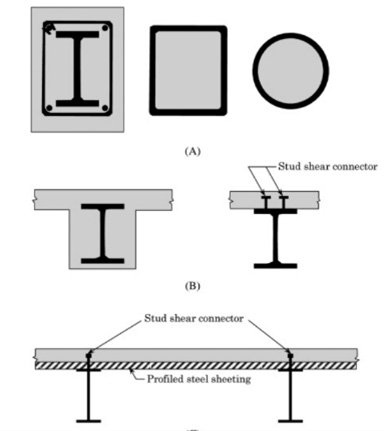
Composite Beams and Girders. Composite beam includes a steel section in I or W shape attached to a concrete slab by shear connectors atop of it. They have been recognized as one of the most economical structural systems for both multistorey buildings and bridges. 

Obviously, building and bridge floors should be stiff and massive enough to reduce deflection and vibrations. In this case, reinforced concrete is undoubtedly the material of choice. The supporting beam or girder, however should have a superior strength-weight ratio, a quality that only steel can offer. 

Composite Floor Systems. Composite floor system consists of steel beams, profiled metal decking, and reinforced concrete slab. These materials are combined in a compact and very efficient way to form a profile that is basically designed to hold gravity or dead loads as well as traffic loads.

Composite floor systems are mostly used as bridge decks and floor slab for wide range of building classifications largely for elevated car parks and multistorey commercial buildings

Steel-Concrete Composite FoundationsComposite Column Systems. Composite columns can either be concrete-filled steel tube or concrete-encased steel element. Either way, composite columns are advantageous as follows
  • Flexural resistance of steel pipe or tube is maximized when provided with concrete infill
  • Steel casing prevents spalling and confines the concrete.
  • Concrete infill delays local buckling of the steel casing and enhances compression resistance
  • Steel casement replaces formwork and reinforcing steel
Advantages

The success and versatility of composite construction can be stated in a simple and straight forward explanation – concrete responds excellently in compression and steel behaves the same in tension.

Joining the two materials together as a structure, these strengths can be used to achieve a highly efficient and lightweight design that can effectively resist both axial and flexural forces. Other benefits and advantages are as follows:

  • Composite systems are over 25% lighter than concrete construction. As a result, site erection and installation are easier, and labor costs can be minimized.
  • Steel-concrete composite can have high strength from a relatively small cross-sectional area.
  • The reduced weight of composite itself reduces the forces in those elements supporting them. In this way, supporting members including foundation costs can also be reduced.
  • Superior strength-to-weight ratio of composite materials allows compact designs which are expected to be aesthetical, economical, safe, and green.
  • Composite systems eliminate the costly activities of traditional concrete forming like propping, stripping, and other temporary works.
  • Steel and concrete can be arranged to produce an ideal combination of strength according to calculated requirements.
  • Concrete-encased steel elements has good resistance to buckling, fire, and corrosion.
  • Composite beams can cover longer spans without the need of intermediate columns, thanks to steel.
  • Composite columns reduce the requirement of lateral reinforcement and time-consuming fixing of lateral ties, as well as providing easier connection to steel beams of a steel-framed structure.
  • Composite columns involving steel tube or pipe casing simplifies foundation works and construction in bodies of water.
  • In marine construction, pouring of concrete under water is made possible by applying composites. Driven steel pipes and sheet piles serves as integral and permanent formworks for concrete infill.
  • Concreting of succeeding floors may proceed without having to wait for the previously cast floors to gain strength. The steel decking system provides positive moment reinforcement for the composite floor, requiring only small amounts of temperature bars to control cracking.

Steel Bridge GirderSteel-Concrete BridgesSteel Pipes in Concrete Foundations

Summary

The benefits of combined steel-concrete construction are characterized by three major aspects: speed, performance, and value.

  • Steel-concrete composite is about 30% lighter than reinforced concrete and slightly heavier than structural steel by 2%. This significant reduction in weight of composite materials compared to reinforced concrete along with the elimination of huge amount of false works contributes to a huge factor in reducing construction timelines.
  • With concrete being strong in compression and steel in tension, the combination of the two materials has proven and excellent results in enhancing the structural performance of the product composite unit. Application of steel-concrete composite can increase the maximum shear strength of a floor slab by 85% according to the results of a study by ASCE.
  • Overall savings using steel-concrete composite can be as high as 10% compared to reinforced concrete and 7% when compared to structural steel. Steel encased with concrete does not only improve the strength of the composite members but protect the entire structure from adverse effects of fire, calamities, and corrosion.

Why Consult ESC?

ESC Steel Structures is one of the top providers of structural steel fabrications around the world.

ESC’s capabilities include Steel Bridge Structures​, Bailey Bridge, Pre-Engineered Steel Buildings / Pre-Fabricated Steel Buildings, Offshore Steel Structures, Mining and Excavation Structures, Pressure Vessel Fabrication, Steel Towers, Rail Infrastructures, Material Handling Structures, and more.

Please find us at www.escsteelstructures.ph ✉️ philippines@escpile.com 📞+63 920 504 3801