
Corrosion Coatings for Steel Structures: Long-Term Protection Against Rust and Deterioration

Steel is one of the world’s most versatile construction materials and serves as the backbone of marine structures, ports, bridges, industrial facilities, pipelines, retaining walls, and offshore developments. Despite its exceptional strength and durability, steel has one persistent enemy: corrosion.

When steel is exposed to moisture, oxygen, salts, chemicals, or industrial pollutants, corrosion begins to attack the surface. Left unchecked, this natural process can lead to structural deterioration, increased maintenance costs, reduced service life, and operational disruptions.

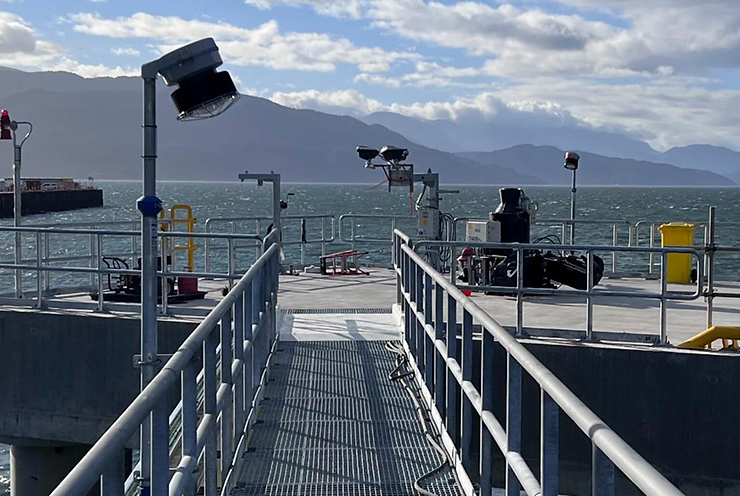
Corrosion Coatings: The First Line of Defense for Long-Term Steel Protection

Acting as a protective barrier between the steel and its surrounding environment, a properly designed and applied coating system helps prevent deterioration, extend asset life, and reduce long-term maintenance requirements.

From marine infrastructure and bridges to offshore facilities and industrial plants, corrosion protection coatings are among the most effective methods for preserving steel structures in harsh environments. By minimizing the effects of moisture, salts, and industrial contaminants, these coatings help improve durability, enhance reliability, and lower lifecycle costs.

Why do we need Steel Corrosion Protection Systems?

Corrosion is not simply a surface issue. Over time, it can lead to measurable steel loss that impacts structural performance and safety. In aggressive environments such as coastal and marine locations, corrosion rates can accelerate significantly due to constant exposure to saltwater, humidity, and airborne chlorides.

For infrastructure owners and asset managers, the consequences can include:

  • Increased maintenance and repair costs

  • Reduced structural lifespan

  • Operational downtime

  • Higher lifecycle costs

  • Premature replacement of steel assets 

How Corrosion Coatings Protect Steel?

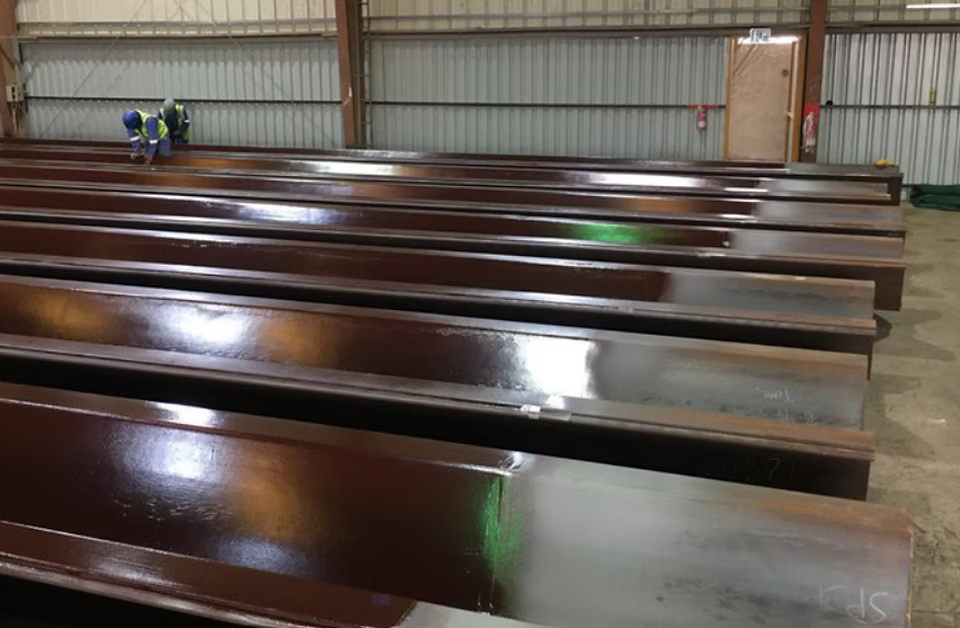
Protective coatings function by creating a physical barrier that separates steel from corrosive elements in the environment. This barrier prevents water, oxygen, salts, and chemicals from reaching the steel surface and initiating the corrosion process.

Modern coating systems are engineered to withstand a wide range of environmental conditions, from marine splash zones and industrial facilities to bridge structures and buried steel installations. The performance of a coating system depends on several factors, including surface preparation, coating selection, application quality, and environmental exposure conditions.

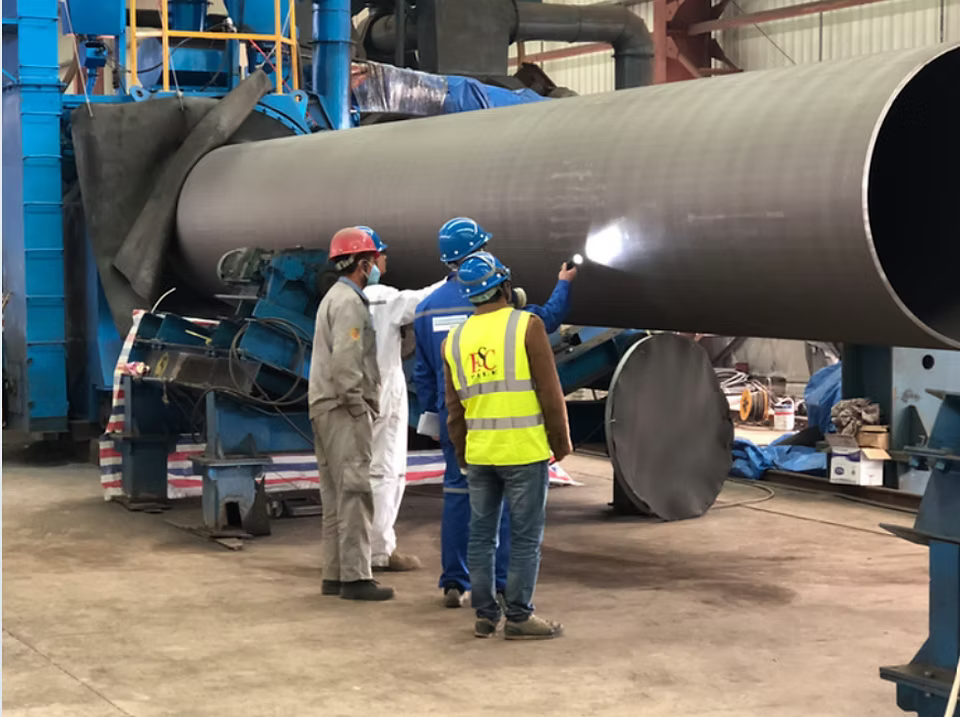
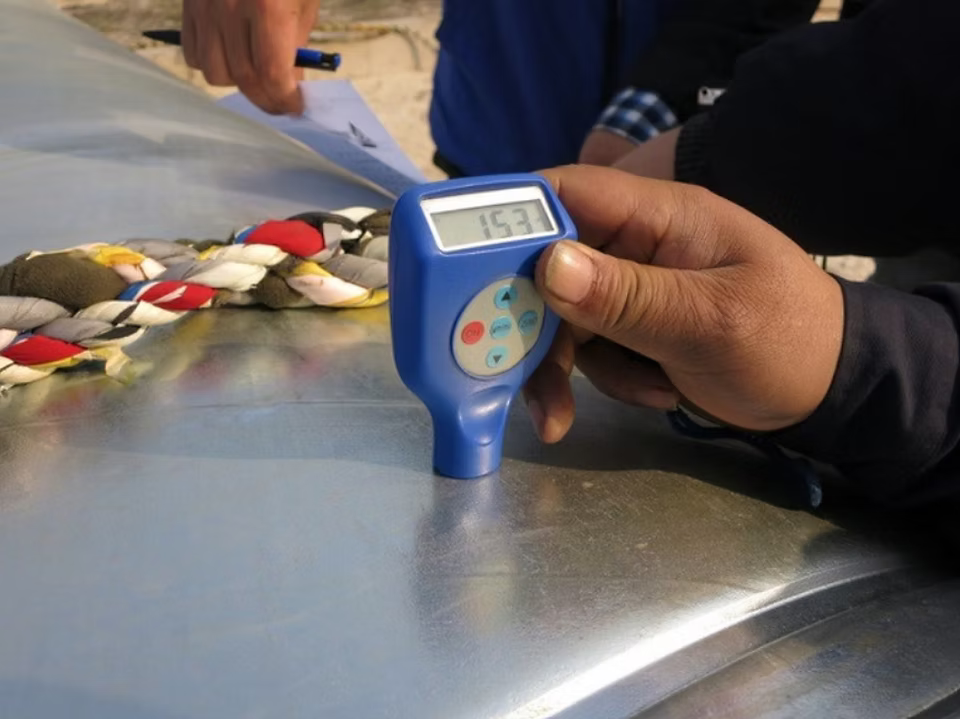
Even the most advanced coating can fail if these factors are not properly controlled, making quality assurance a critical aspect of any corrosion protection strategy.
Selecting the Right Coating System

Selecting the right corrosion coating system requires a thorough evaluation of the structure’s operating environment and intended service life. International standards classify environments according to their corrosivity, ranging from low-risk indoor settings to highly aggressive marine and industrial locations. Understanding the corrosion category helps engineers determine the appropriate coating system, film thickness, and maintenance strategy needed to achieve long-term performance.

For marine infrastructure projects, exposure conditions can vary significantly across different areas of the structure. Steel located in marine immersion zones, where components remain continuously submerged, faces different challenges than steel positioned in splash and tidal zones that experience repeated wetting, drying, and salt deposition. These highly corrosive environments often require specialized coating systems capable of withstanding constant moisture exposure and elevated chloride concentrations.

Above the waterline, atmospheric exposure becomes a key consideration. Coastal environments typically accelerate corrosion through airborne salts and high humidity, while industrial areas may expose steel to chemicals, pollutants, and acidic contaminants. Even inland structures, though generally less aggressive, require coating systems tailored to local environmental conditions to ensure reliable long-term protection.

Mechanical wear must also be considered during coating selection. In areas exposed to impact, abrasion, or frequent material handling, coating systems need to provide both corrosion protection and sufficient abrasion resistance. Specialized solutions such as glass flake epoxy coatings are often specified for these demanding applications due to their enhanced durability and resistance to physical damage.
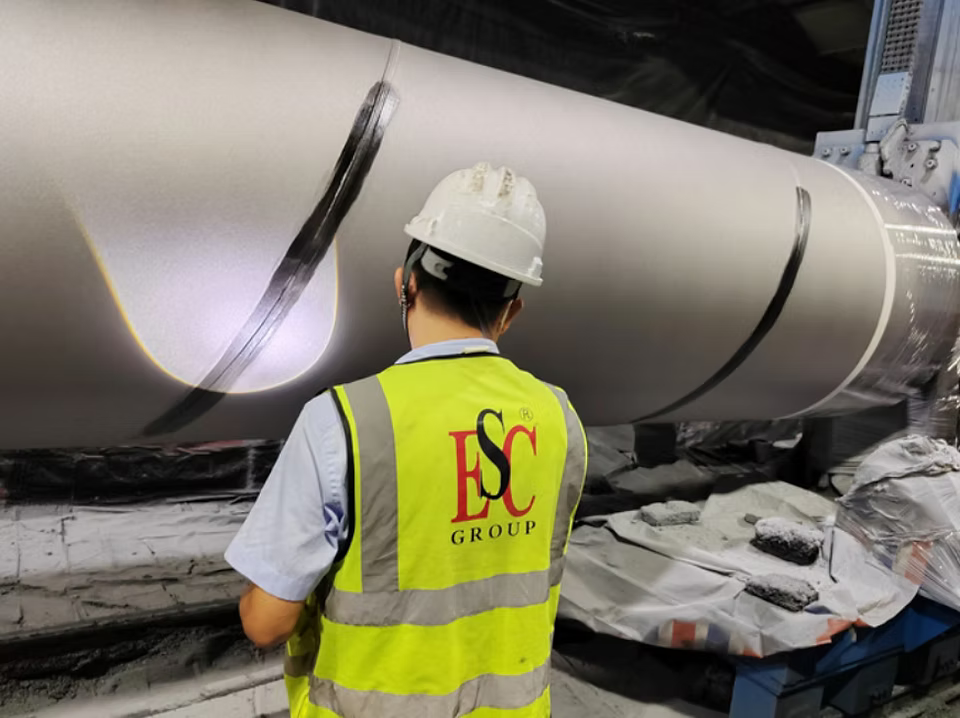
Equally important is aligning the coating specification with the project’s design life requirements. A structure designed for 15 years of service may require a different approach than a port terminal, bridge, or offshore facility expected to operate for 50 years or more. By considering environmental exposure, maintenance accessibility, and lifecycle expectations, engineers can select coating systems that provide the optimal balance of protection, durability, and cost-effectiveness.

ESC works closely with leading coating manufacturers to develop coating specifications based on project requirements, environmental conditions, design life expectations, and client standards. This collaborative approach helps ensure that the selected system delivers the required level of corrosion protection while maximizing long-term value throughout the asset’s lifecycle.

Common Corrosion Protection Coating

Coal Tar Epoxy Coatings

Glass Flake Epoxy Coatings

Glass flake epoxy systems are particularly well suited for highly abrasive or impact-prone environments. The embedded glass flakes create a more tortuous path for moisture penetration, significantly improving coating performance and longevity. These systems are commonly selected for demanding marine and industrial applications where enhanced durability is required.
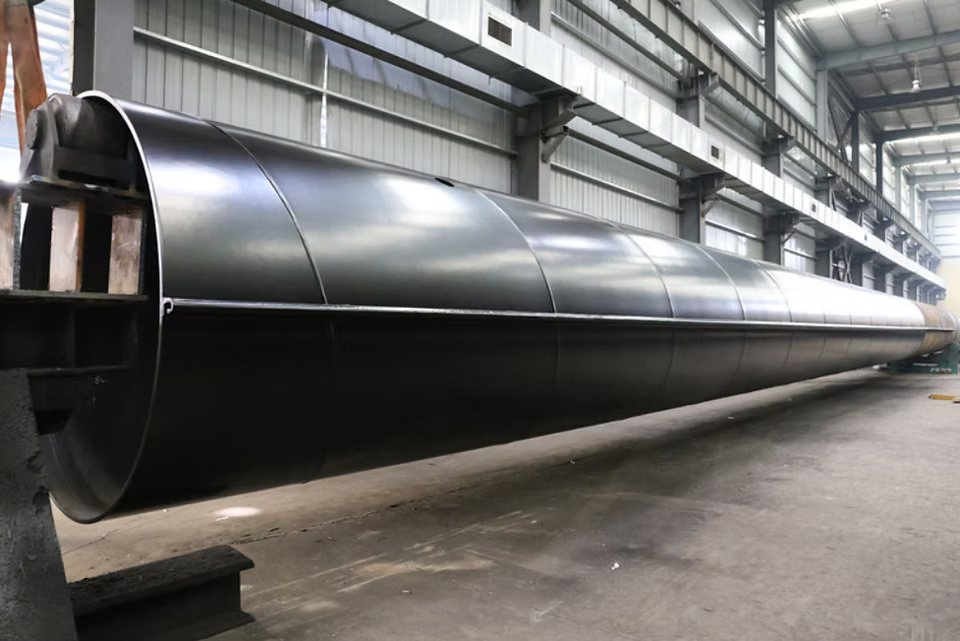
Hot-Dip Galvanizing

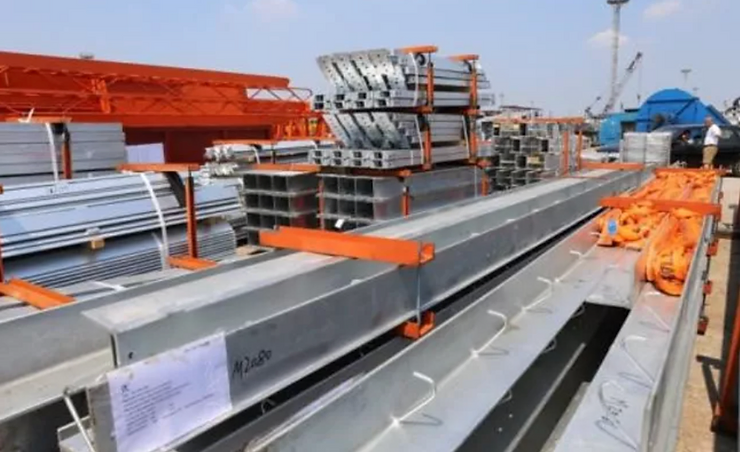
Hot-dip galvanizing protects steel by applying a metallurgically bonded zinc layer to the surface. This zinc coating provides both barrier protection and sacrificial protection, helping extend steel life in many outdoor and industrial environments. It is often selected where a durable, low-maintenance protective solution is required.
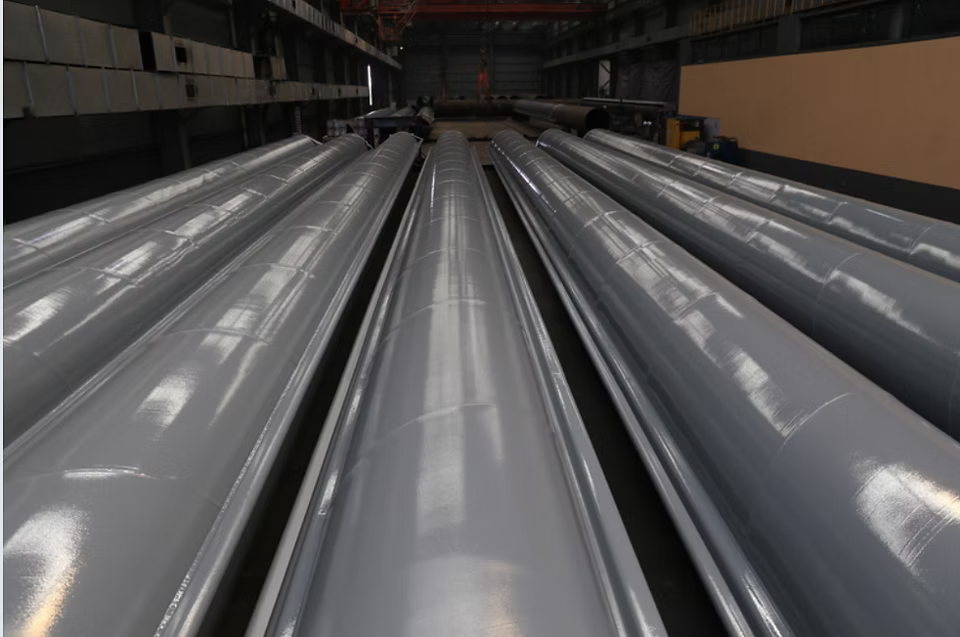
Duplex Coating Systems

For projects requiring maximum durability, duplex systems combine hot-dip galvanizing with an additional protective coating layer. This approach leverages the strengths of both protection methods to achieve extended service life, particularly in highly aggressive environments.
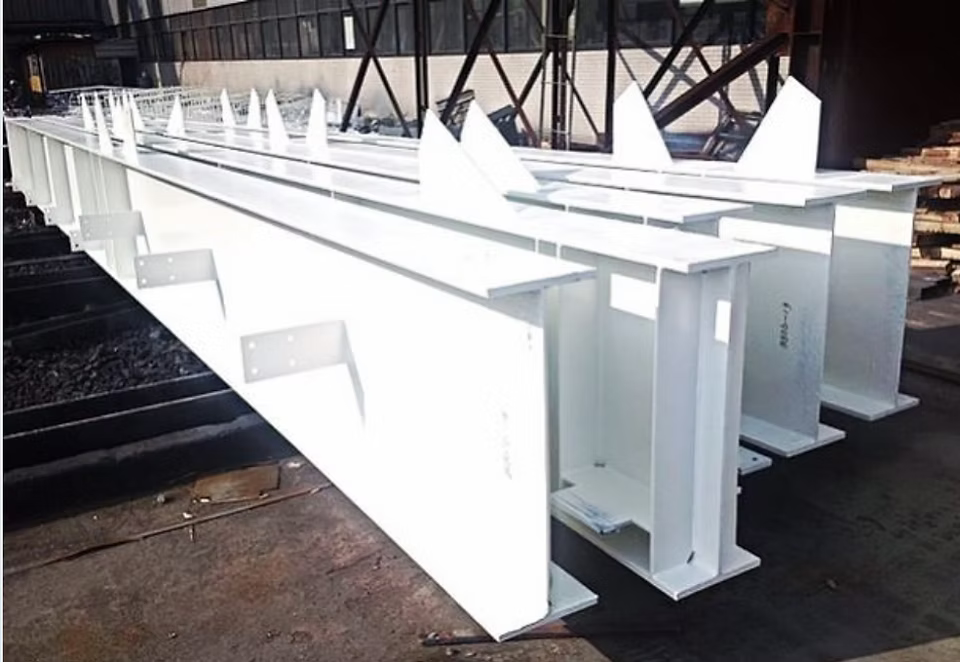
Surface Preparation: The Foundation of Every Successful Coating

One of the most overlooked aspects of corrosion protection is surface preparation.

Industry experience consistently shows that coating failures are more often caused by inadequate surface preparation than by coating selection itself. Before any coating is applied, steel surfaces must be thoroughly cleaned and prepared to remove contaminants, rust, mill scale, and other impurities.

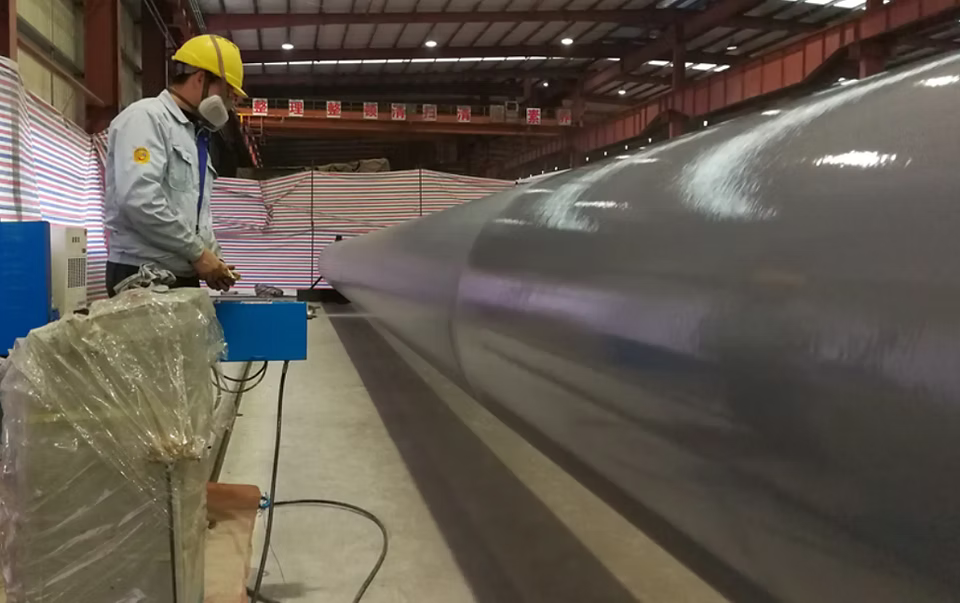
ESC utilizes established surface preparation standards such as SSPC and NACE requirements, ensuring coatings achieve proper adhesion and long-term performance. ESC is also a member of the Society for Protective Coatings (SSPC), and its coating personnel are trained and certified to maintain quality throughout the process.

Beyond Coatings: A Complete Corrosion Protection Strategy

While coatings provide the primary barrier against corrosion, certain marine and offshore structures benefit from additional protection systems. Coatings are frequently used alongside cathodic protection systems to form a comprehensive corrosion management strategy.

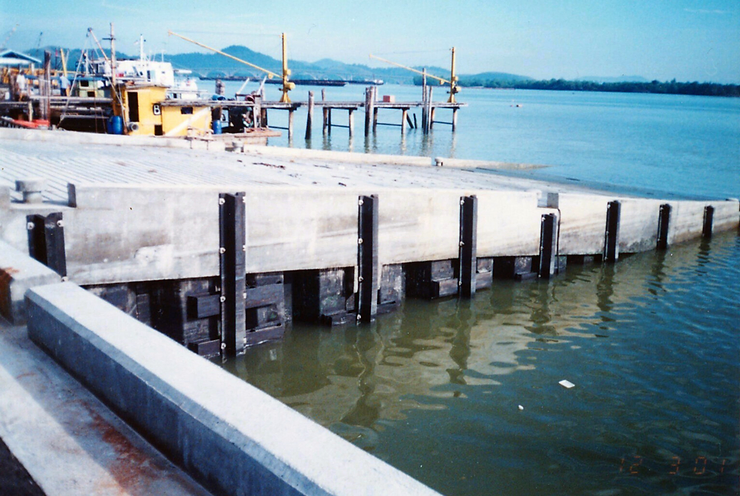
This layered approach is particularly effective for ports, wharves, jetties, sheet pile walls, pipe piles, and other steel structures operating in aggressive marine environments. By combining coatings with cathodic protection, infrastructure owners can achieve longer service life and lower maintenance costs over the lifespan of the asset.
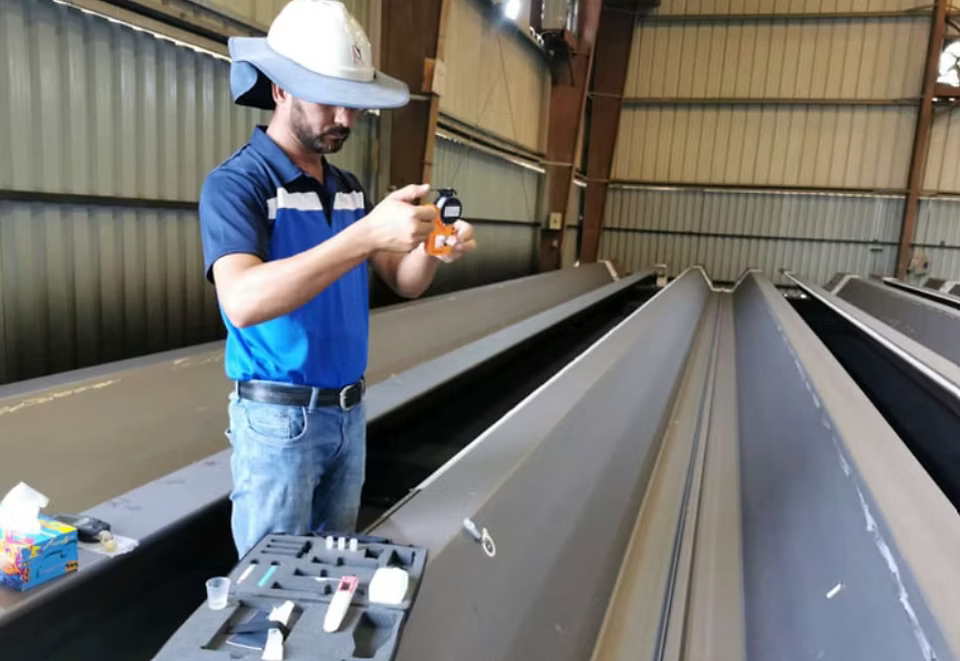
Protecting Philippine Infrastructure Through Long-Term Steel Durability

Corrosion is a constant challenge for steel structures exposed to the Philippines’ coastal, tropical, and high-humidity environments. From ports and harbors to bridges, flood control systems, retaining walls, industrial facilities, and waterfront developments, effective corrosion protection is essential to maintaining structural integrity, reducing maintenance costs, and extending service life.

By incorporating the right corrosion protection strategy during the design and construction phase, project owners can significantly improve asset performance while lowering long-term lifecycle costs. When combined with high-quality steel foundations and structural solutions, corrosion protection helps ensure that critical infrastructure remains reliable for decades to come.

As a leading supplier of steel sheet piles, pipe piles, structural steel, marine products, and engineering solutions in the Philippines, ESC Steel Philippines supports contractors, consultants, and project owners with durable solutions tailored to the country’s demanding environmental conditions. Together with appropriate corrosion protection systems, these solutions help maximize the value and longevity of steel infrastructure investments.

Contact ESC Steel Philippines

Planning a port, marine, infrastructure, flood control, industrial, or foundation project in the Philippines?

Contact ESC Steel Philippines today to discuss steel sheet piles, pipe piles, structural steel solutions, and corrosion protection strategies designed to meet your project’s performance, durability, and environmental requirements.

🌐 ESC Steel Philippines: ✉️ Email: philippines@escpile.com

📞 Manila: +632 8526 8839📞 Cebu: +633 2494 9523📱 Mobile: +63 920 504 3801
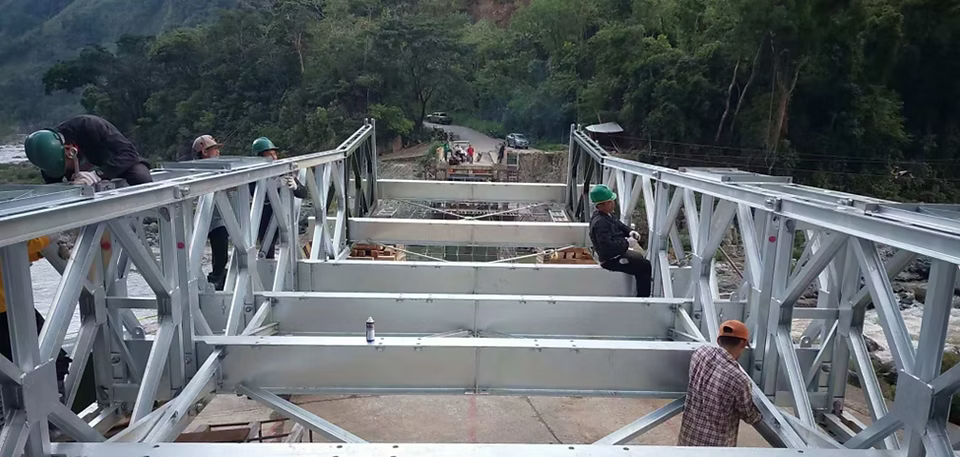
 
Partner with ESC Steel Philippines for high-quality steel solutions and corrosion protection expertise that help build stronger, longer-lasting infrastructure across the Philippines.

Modular Steel Bridge Fabrication in the Philippines

Delivering Reliable Connectivity Nationwide

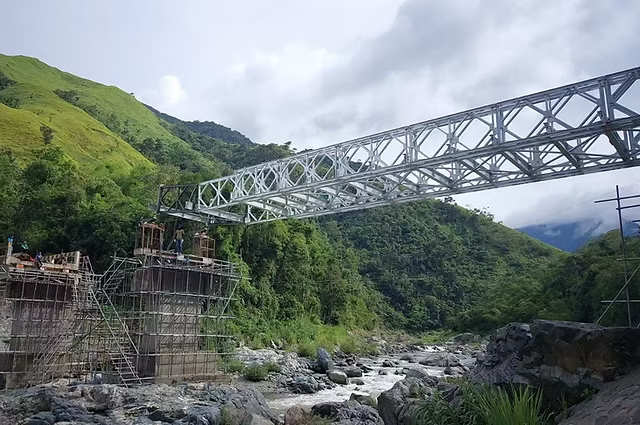
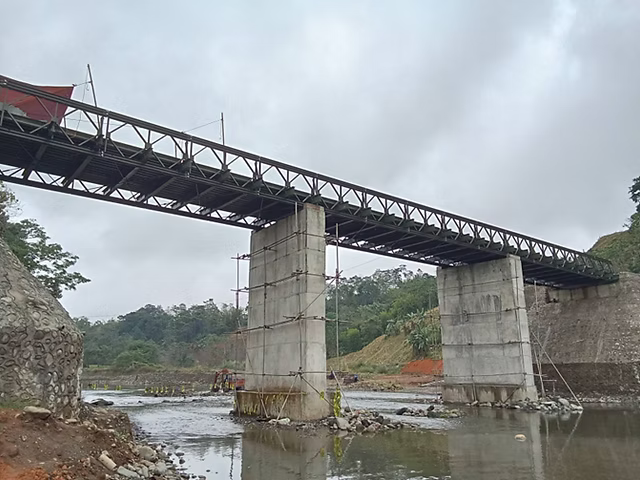
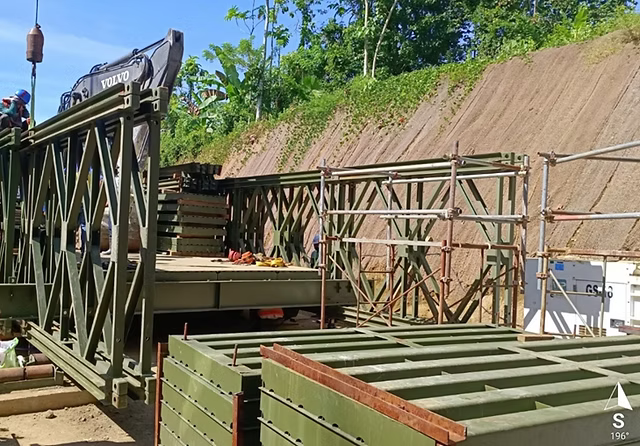
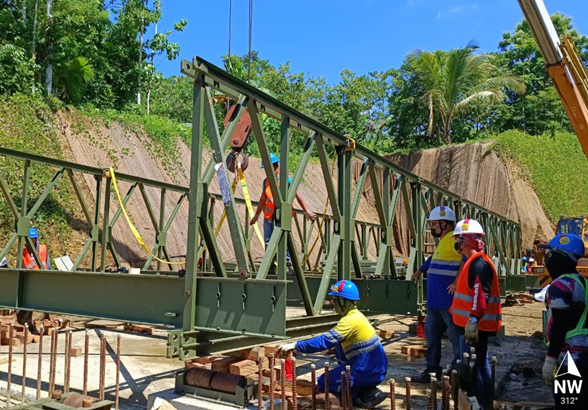
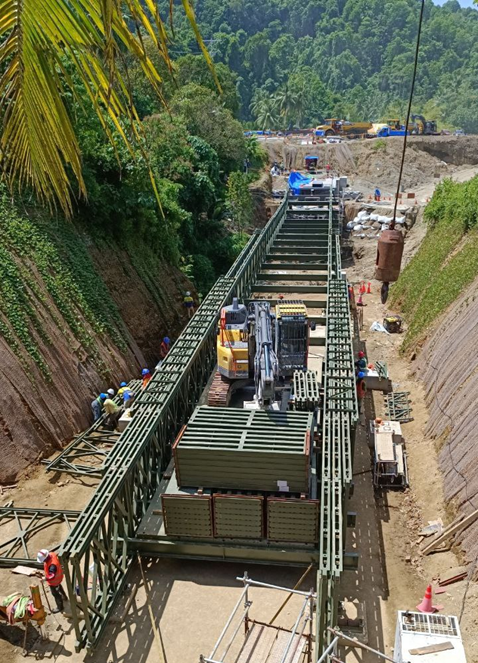
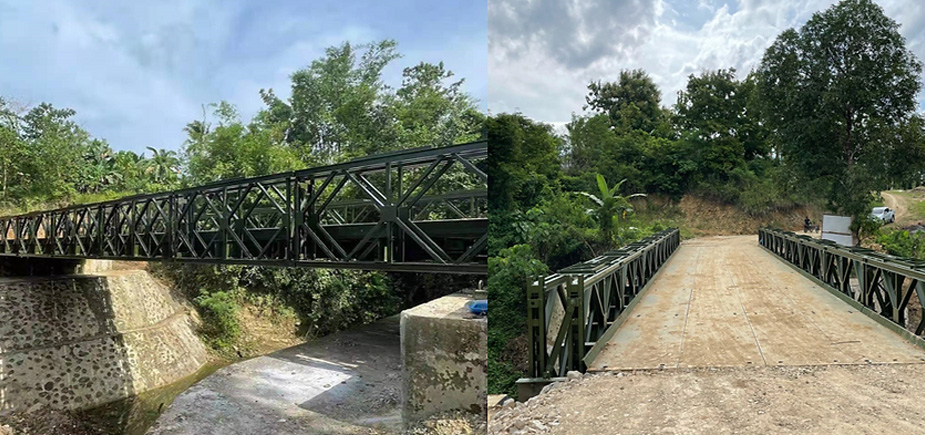
Across the Philippines, infrastructure is not just about connectivity—it is about resilience. As an archipelagic nation composed of more than 7,000 islands, the country faces unique logistical and environmental challenges. Rivers swell during monsoon seasons, typhoons damage road networks, and remote communities remain vulnerable to isolation when permanent bridges are compromised. In this landscape, the Modular Steel Bridge (Bailey Bridge) has quietly emerged as one of the most practical and reliable structural solutions.

Originally developed during World War II, the Modular Steel Bridge system has evolved into a globally recognized modular steel bridge design. Its brilliance lies in simplicity. Prefabricated steel panels are assembled in a truss configuration, allowing rapid installation without the need for complex heavy equipment or extensive foundation work. What once served as a military solution has become a modern civil engineering essential – particularly in countries where speed, adaptability, and durability matter most.

The Growing Infrastructure Demand in the Philippines

The Philippines continues to expand its road networks, improve inter-island transport corridors, and strengthen disaster-response infrastructure. Government-led infrastructure programs and private-sector development projects are increasing the demand for bridging systems that can be deployed quickly while maintaining structural integrity.

Several factors drive the rising need for Modular Steel bridges nationwide:

  • Frequent natural disasters. Typhoons, flooding, landslides, and seismic activity regularly damage permanent bridges. Temporary but robust bridging systems are critical for emergency access and recovery operations.

  • Remote and rural connectivity. Many provinces still require reliable crossing solutions over rivers and ravines where permanent concrete bridges may be cost-prohibitive or time-consuming to construct.

  • Industrial and mining expansion. Access roads for heavy equipment often need immediate load-bearing capacity before permanent infrastructure is finalized.

  • Military and humanitarian logistics. Rapid deployment capability is essential in disaster-stricken or hard-to-reach areas.

Unlike traditional reinforced concrete bridges, which may require months of construction and curing, a modular steel bridge can be installed within days. This ability to restore mobility quickly makes it invaluable in a country where infrastructure downtime directly affects economic productivity and public safety.

Why the Modular Steel Bridge Remains Relevant Today

Despite advances in bridge engineering, the Modular Bridge system remains highly relevant due to its modularity and scalability. The bridge can be configured to accommodate varying span lengths and load requirements, from light vehicular traffic to heavy trucks and construction equipment.

Its panelized design allows transportation in compact sections, ideal for provincial roads where access for large equipment is limited. Moreover, components can be reused, relocated, and reassembled, providing long-term cost efficiency for government agencies and contractors alike.

Durability is another defining advantage. High-grade structural steel ensures strength under dynamic loads, while modern corrosion-protection systems extend service life even in coastal or flood-prone regions—an important consideration in the Philippine climate.

ESC Steel: A Smart and Strategic Choice

As demand for reliable modular bridge systems grows, selecting the right supplier becomes as critical as selecting the bridge type itself. ESC Steel has positioned itself as a leading provider of engineered steel solutions across Asia and even in the Middle East, delivering structural systems that meet international standards for safety and performance.

What sets ESC Steel apart is not merely supply capacity but engineering expertise. Each Modular steel bridge solution is designed with consideration for load classification, span length, soil condition, and site-specific environmental factors. Rather than offering a generic product, ESC provides tailored configurations that align with project requirements—whether for emergency deployment, temporary industrial use, or semi-permanent infrastructure.

Quality assurance is central to ESC Steel’s approach. Precision fabrication ensures dimensional accuracy for seamless panel alignment, reducing installation time on-site. Protective coatings and galvanization options enhance corrosion resistance, extending bridge lifespan in tropical and coastal environments common throughout the Philippines.

Furthermore, ESC Steel understands the importance of logistics. With established distribution channels and technical support teams, delivery and assembly guidance can be coordinated efficiently, minimizing project delays.

Supporting National Development and Disaster Resilience

The Philippines’ geography makes it one of the most disaster-exposed countries in the world. With an average of 20 tropical cyclones entering the Philippine Area of Responsibility each year, combined with mountainous terrain and river-dense provinces, infrastructure disruption is not a question of if—but when.

In this context, modular bridges are no longer optional contingency assets. They are strategic infrastructure tools for disaster resilience, emergency response, and long-term regional development.

Technical Relevance of Modular Bridge Systems

As the Philippines strengthens its infrastructure resilience strategy, the role of modular steel bridge systems has become increasingly significant in both emergency and programmed works. For the National agencies and Local Government Units (LGUs), responsible for transport continuity, modular bridge systems offer a technically sound and time-efficient alternative to conventional cast-in-place reinforced concrete bridges—particularly in disaster-prone and geographically challenging areas.

The country’s exposure to typhoons, seismic activity, and high-intensity rainfall events places recurring stress on bridge structures, especially in floodplains, mountainous corridors, and remote provincial road networks. Regions such as Central Luzon, Cagayan Valley, Bicol, Eastern Visayas, CAR, and parts of Mindanao consistently experience bridge undermining, abutment scouring, slope failures, and struct

Structurally, the Modular Bridge utilizes panelized truss sections connected via high-strength pins, forming a simply supported or multi-span configuration depending on site conditions. The modularity allows configuration adjustments in:

  • Span length

  • Load classification (light to heavy vehicular loading)

  • Single, double, or triple truss reinforcement

  • Single or double story configurations for increased moment capacity

From an engineering standpoint, modular steel bridges are particularly suitable for:
  • Emergency bridge replacement after flood or landslide damage

  • Temporary detours during permanent bridge reconstruction

  • Rural access bridges in remote barangays

  • Military and humanitarian logistics corridors

  • Industrial and mining access roads

Unlike conventional concrete systems that require extensive substructure curing time and heavy formwork, modular bridges can be installed using launching methods that minimize falsework within active waterways—reducing environmental disruption and construction risk.

Engineering Consider

Feature
ESC Modular Steel Bridge (Bailey Bridge)
Conventional Bridge
Installation Time
Days to weeks
Several months to years
Equipment Required
Minimal heavy machinery
Extensive equipment & civil works
Foundation Works
Often minimal or temporary
Deep foundations required
Cost
Lower upfront cost
High capital expenditure
Flexibility
Modular & reconfigurable
Fixed design
Relocation
Can be dismantled & reused
Permanent structure
Emergency Deployment
Ideal for rapid response
Not suitable for urgent installation
Access to Remote Areas
Highly suitable
Challenging & expensive

Engineering Considerations for Flood- and Landslide-Prone Areas

In high-risk regions such as Bulacan and Pampanga (floodplain zones), Cagayan and Isabela (river basin exposure), Benguet and Mountain Province (slope instability), and Leyte and Samar (typhoon corridor), bridge design must account for:

  • Hydraulic loading and debris impact forces

  • Scour potential at abutments and piers

  • Dynamic vehicular loads

  • Seismic considerations under NSCP guidelines

  • Corrosion resistance in tropical and coastal environments

High-grade structural steel panels, combined with galvanization or protective coating systems, significantly enhance durability against humidity, salinity, and prolonged rainfall exposure. Proper bearing design and foundation interface are critical to ensure stability when installed over compromised soil conditions.

Procurement and Tender Advantages

From a procurement perspective, modular bridge systems align well with government objectives of:

  1. Accelerated project timelines

  2. Cost-effective deployment

  3. Reusability of structural components

  4. Reduced mobilization complexity

  5. Scalability for multiple sites

Because components are prefabricated, quality control is achieved at the manufacturing stage, reducing variability often encountered in cast-in-place construction. This enhances predictability in scheduling and budget allocation—critical for public infrastructure programs.
Additionally, the reusability of modular bridge components allows agencies to maintain contingency bridge inventories for disaster response, maximizing lifecycle value and return on public investment.

ESC Steel as a Technical Partner for Government Projects

For National and LGU-led projects, supplier capability extends beyond product availability. It requires engineering validation, fabrication precision, and logistical reliability.

ESC Steel provides modular steel bridge systems fabricated under strict quality assurance processes, ensuring structural integrity and dimensional consistency. Engineering support includes load configuration assessment, span optimization, and technical coordination to align with project specifications.

Protective coating options suitable for Philippine climatic conditions enhance long-term performance, particularly in flood-prone and coastal provinces. Fabrication expertise ensures compatibility of truss panels, transoms, stringers, and decking systems, facilitating efficient on-site assembly.

For government tenders requiring technical documentation, structural data, and material certification, ESC Steel supports compliance through transparent specification alignment and professional coordination.

Supporting Resilient Infrastructure Development

The increasing frequency of climate-related disruptions underscores the need for infrastructure systems that combine speed, strength, and adaptability. For agencies tasked with maintaining transport continuity, modular bridge systems provide a proven engineering solution capable of restoring connectivity within compressed timelines.

As the Philippines advances its infrastructure modernization programs, modular steel bridge systems will continue to play a vital role—particularly in provinces vulnerable to flooding, landslides, and seismic activity.

In this evolving landscape, technical reliability and supply capability become decisive factors. Through engineered solutions and project-focused coordination, ESC Steel stands positioned as a strategic partner in supporting resilient, government-grade modular steel bridge deployment across the Philippines

For modular steel bridge projects, partner with ESC Steel Philippines—your trusted source for resilient infrastructure solutions. Contact Us Today: 

📞 +632 8526 8839

📱+63 920 504 3801


Why Developers in the Philippines Are Choosing PEB Over Conventional Construction

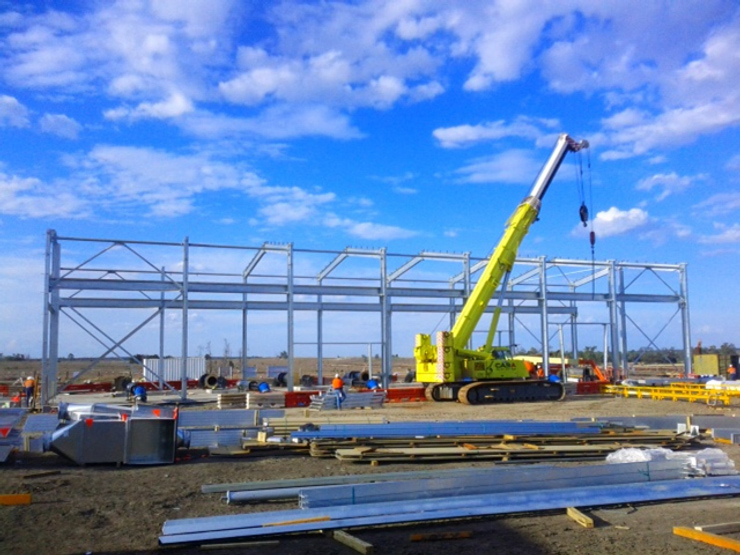
The Philippine construction industry is standing at a crossroads. On one side lies tradition – the familiar rhythm of conventional construction, where steel and concrete are shaped on-site, workers welded under the sun, and progress is often at the mercy of weather. On the other side is innovation – the rise of Pre-Engineered Buildings (PEBs), a system that promises speed, resilience, and efficiency in a country where time and durability are not luxuries but necessities.

For decades, builders across the archipelago have relied on conventional methods to erect warehouses, factories, and commercial spaces. But the Philippines is not a forgiving environment. Typhoons sweep across Luzon and Visayas with relentless force, earthquakes shake foundations, and the tropical climate accelerates wear and tear. Add to this the rising costs of labor and materials, and industry faces a pressing question: Is conventional construction still the best way forward?

Increasingly, the answer is shifting toward PEBs. These factory-fabricated steel structures are redefining how projects are delivered, offering a faster, more controlled, and more resilient alternative. And at the forefront of this transformation is ESC Steel Structures Philippines, a company that has mastered the art of tailoring global engineering standards to the unique challenges of the local market.

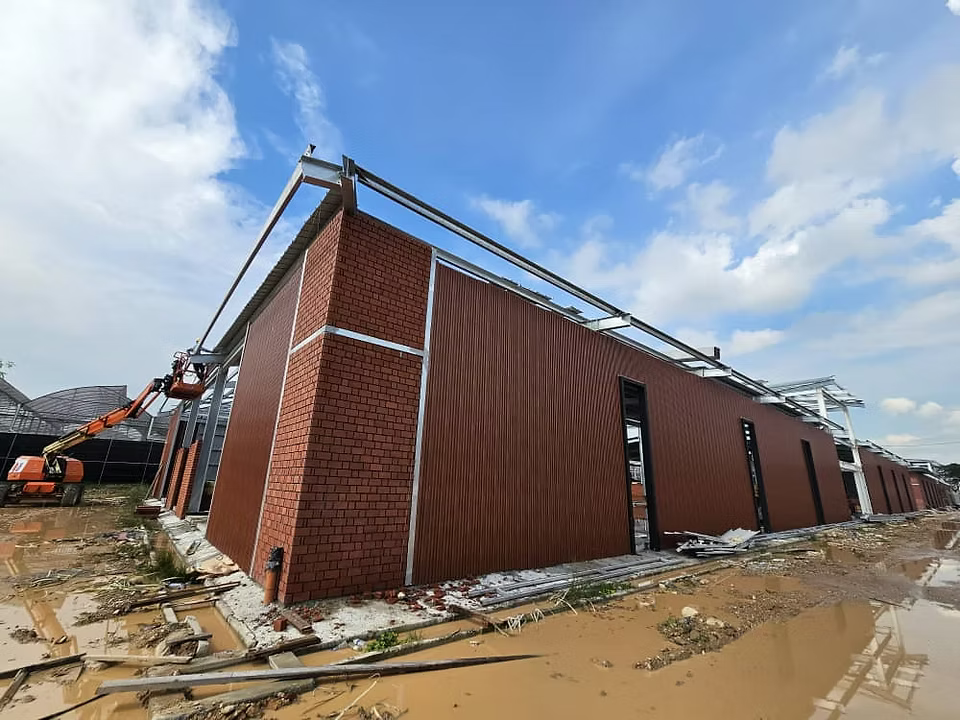
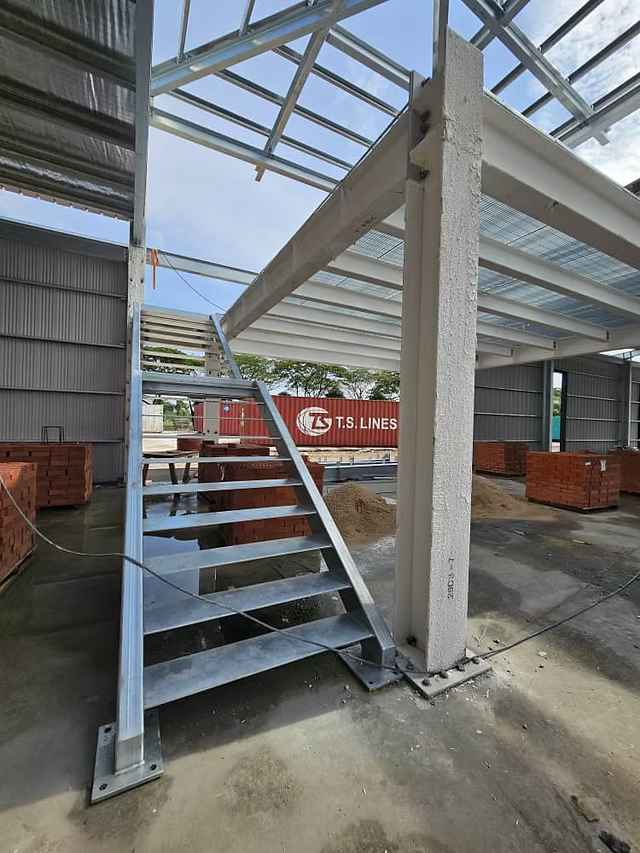
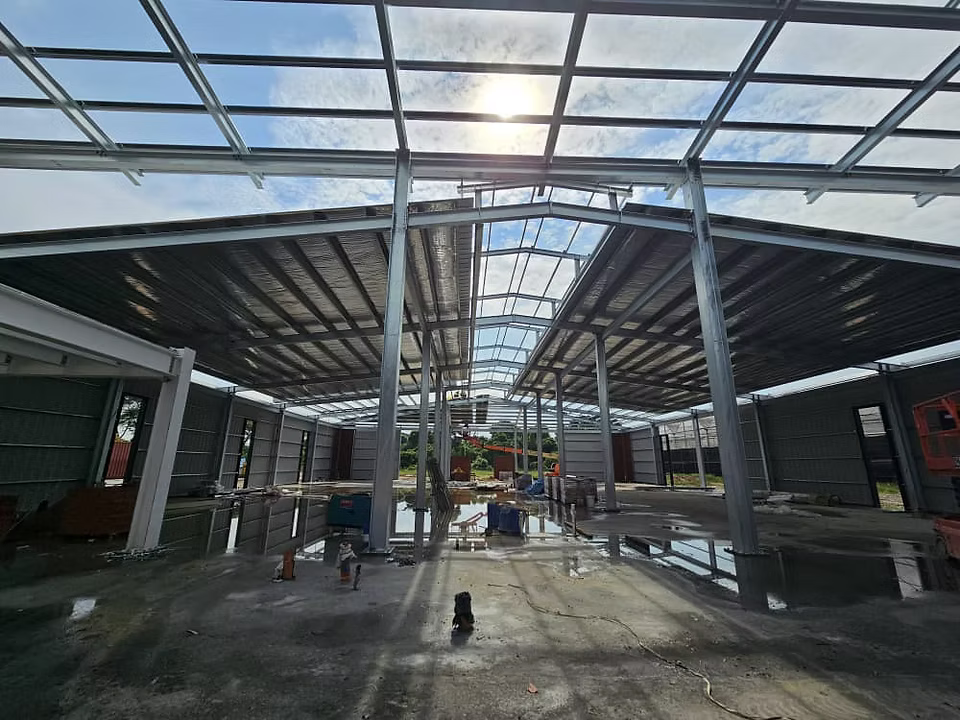
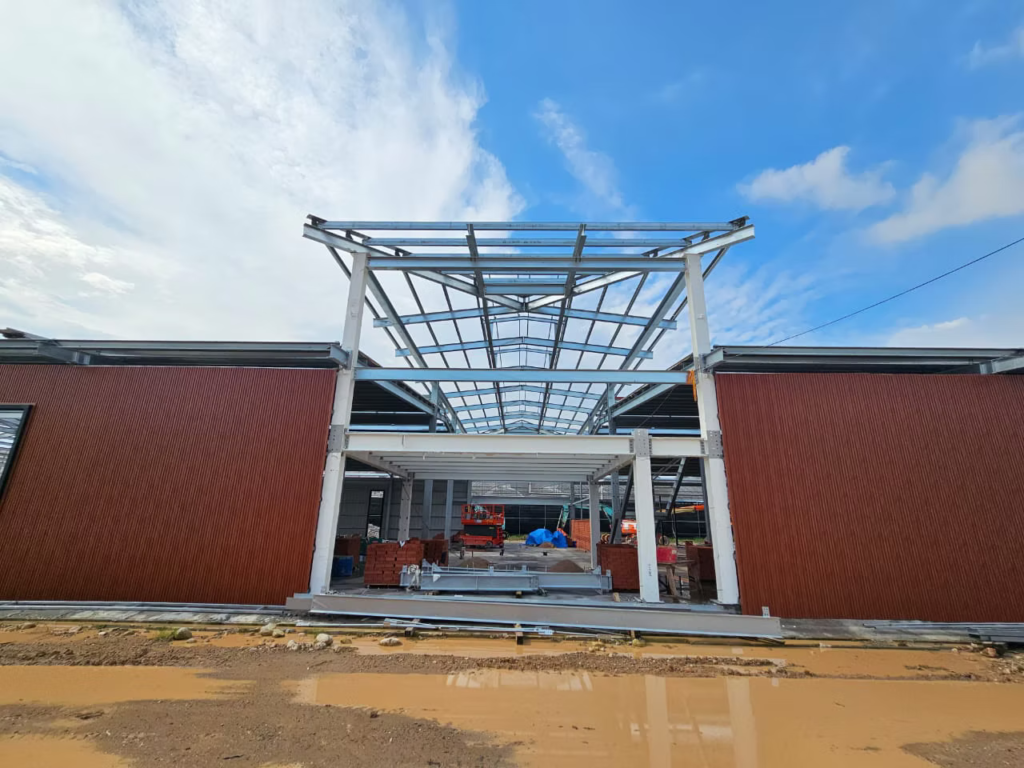
Imagine a building that arrives at your site almost like a kit — its components already fabricated under strict quality control, ready to be assembled with precision. That is the essence of PEB. Unlike conventional projects, which depend heavily on on-site labor, PEBs shift the complexity to the factory floor.

Here, steel members are designed using advanced 3D modeling, optimized for efficiency, and fabricated under international-grade standards. By the time they reach the project site, they are not raw materials but engineered solutions. Installation becomes a matter of assembly rather than improvisation, reducing reliance on weather conditions and minimizing delays.

For the Philippines, this is more than convenience. It is resilient. PEBs are engineered to withstand typhoons, seismic loads, and corrosion — threats that are not hypothetical but annual realities. In a country where downtime can mean millions in lost revenue, the ability to deliver a warehouse or cold storage facility in months rather than years is transformative.

Key features of PEBs:

Conventional Construction: Strengths and Struggles

To be fair, conventional construction has its place. It is the method that built the nation’s skyline, from high-rise towers in Makati to intricate cultural landmarks. Its strength lies in flexibility — the ability to accommodate complex architectural designs, multi-storey structures, and projects where concrete plays a dominant role.

PEB may not be ideal for:

  • Highly customized luxury architectural projects

  • Very small residential buildings

  • Multi-storey heavy concrete podium structures

  • Projects where fire-rating requirements heavily favor thick concrete

But in the Philippines, conventional methods often struggle. Progress is slowed by weather dependency; a single typhoon can halt work for weeks. Labor shortages and site conditions introduce unpredictability, while material wastage and rework inflate costs. What begins as a carefully budgeted project can quickly spiral into overruns. For industrial and logistics facilities, where speed and cost efficiency are paramount, these limitations are hard to ignore.

The shift toward PEBs is not just about speed — though that is a major advantage. It is about aligning construction methods with the realities of modern Philippine projects.

  • Cost Efficiency: PEBs reduce labor requirements and minimize wastage. Optimized steel usage translates into predictable budgets, a critical factor in markets where margins are tight. With Conventional method, there are higher overhead and unpredictable variations.

  • Structural Performance: Engineered resilience ensures buildings can withstand typhoons and earthquakes, offering peace of mind to investors and operators. With Conventional method, performance depends heavily on workmanship quality.

  • Design Flexibility: Clear-span spaces make PEBs ideal for warehouses, factories, and hangars, while hybrid solutions allow aesthetic customization. With Conventional method, it is better suited for intricate architectural designs.

  • Quality Control: Factory precision with ISO-aligned QC/QA processes. Conventional has greater variability due to site conditions.

  • Sustainability: With less wastage and recyclable steel, PEBs contribute to greener construction practices. Conventional methods create more waste from cutting, grinding, and welding.

Developers prioritize:
  • Speed to market

  • Capital efficiency

  • Scalability

  • Operational flexibility

PEB improves ROI by:
  • Shortening construction schedules

  • Lowering financing costs

  • Allowing phased expansion

  • Reducing structural weight and foundation costs

For income-generating industrial properties, speed alone can significantly improve returns.

ESC Steel Structures Philippines has refined these advantages into a competitive edge. By combining international manufacturing capability with local technical expertise, the company delivers projects that meet global standards while addressing local challenges.

Case Studies: Proof in Practice

The promise of PEBs is best illustrated through real projects. ESC’s portfolio in the Philippines offers compelling evidence:

  • Typhoon-Resistant Warehouse in Central Luzon: Delivered within six months, this facility demonstrated how engineered resilience can protect investments during extreme weather events.

  • Agricultural Cold Storage Facility: Wide-span design, minimal maintenance, and optimized energy efficiency reduced operational costs for the client.

  • Hybrid Commercial Structure: By blending PEB efficiency with conventional detailing, ESC created a multi-purpose facility that balanced speed with architectural flexibility.

Each case underscores a simple truth: PEBs are not theoretical solutions. They are practical, tested, and increasingly indispensable.

Choosing the Right Approach

Of course, the choice between PEB and conventional construction is not binary. It depends on the project’s nature. Logistics hubs, manufacturing plants, and agricultural facilities benefit most from PEBs, where speed and resilience are critical. Complex architectural projects, multi-storey commercial buildings, and structures requiring heavy concrete elements may still favor conventional methods.

This is where ESC’s hybrid approach shines. By offering both systems – and the ability to combine them – ESC Steel Structures Philippines can supply both PEB and integrated hybrid solutions.

The Bigger Picture: Building for the Future

The rise of PEBs in the Philippines is part of a larger narrative: the modernization of the construction industry. As the country continues to grow, demand for industrial and commercial facilities will only intensify. Meeting this demand requires methods that are not just faster but smarter.

PEBs represent that shift. They embody precision, efficiency, and resilience — qualities that align perfectly with the challenges of the Philippine environment. And with ESC Steel Structures Philippines, leading the charge, the industry is better equipped than ever to build structures that are not only functional but future ready.

Final Thoughts: Which Is Smarter for Philippine Developers?

There is no universal answer. The debate between PEB and conventional construction is not about which method is universally superior. It is about context. In the Philippines, where time, cost, and resilience are critical, PEBs offer a clear advantage for industrial and logistics projects. Conventional methods remain valuable for complex architectural endeavors, but the momentum is unmistakably shifting toward engineered solutions.

PEB is increasingly becoming the smarter, faster, and more scalable solution in the Philippines specially for the following applications:

  • Industrial parks

  • Logistics hubs

  • Manufacturing facilities

  • Large commercial storage spaces

ESC Steel Structures Philippines is more than a supplier in this transformation. It is a strategic partner, delivering world-class steel building systems tailored to local realities. For businesses seeking to build smarter, faster, and stronger, the choice is clear: embrace the future with PEBs.

If you’re ready to build smarter, faster, and stronger, ESC Steel Structures Philippines is here to partner with you. Whether you’re planning a logistics hub, a cold storage facility, or a hybrid commercial project, our team combines international engineering expertise with local insight to deliver solutions tailored to the Philippine environment.

Here’s how you can get started:

  • Request for Quotation – Get a customized proposal that matches your project’s requirements and budget.

  • Download our Catalogs – Explore detailed information about our engineered steel solutions and see how PEBs can transform your next project.

  • Schedule a Technical Consultation – Speak directly with our engineers and strategists to design the best-fit solution for your facility.

🌐 https://escsteelstructures.ph/  |📧 philippines@escpile.com |📞 +632 8526 8839

📍 Manila Office

12V 12F Cyber One Building, 11 Eastwood Avenue, Eastwood City Cyberpark, Bagumbayan, Quezon City, Philippines |📞 +63 920 504 3801 | 📧manila@escsteelphil.com

📍 Cebu Office

5/F Unit 534 Regus Park Centrale Building, Apas, IT Park, Cebu City, Philippines | 📞 +633 2494 9523 | 📧 cebu@escsteelphil.com

ESC Times December 2024 Edition

ESC Group: Approaching 40 Years as a Global Leader in Construction Solutions

Approaching its 40th anniversary, ESC Group stands as a testament to unwavering innovation, steadfast reliability, and unparalleled excellence. From its humble beginnings in the 1980s, ESC has transformed into a global leader in construction, continuously pushing the boundaries of what is possible in the industry. Maintaining its focus on delivering advanced solutions that meet the evolving needs of its clients across various sectors, including infrastructure, commercial, and marine projects. This growth is a testament to its commitment to quality, cutting-edge technology, and a vision that embraces future possibilities, positioning ESC Group as a beacon of progress and stability in the construction world. Read more…. 

 
Download a copy of click here “ESC Times December 2024 Edition” to read online.

New Mill for Vinyl Sheet Pile Manufacturing Set to Commence Production in the USA

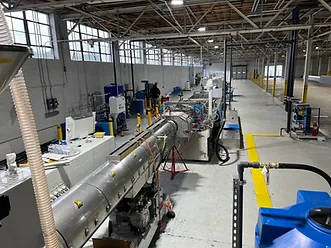
Statesville, NC – Get ready for a groundbreaking moment! Pietrucha-ESC is stirring the construction world with the announcement of its brand-new, state-of-the-art mill for vinyl sheet pile manufacturing in the USA. This ambitious venture is set to revolutionize the industry, delivering top-tier, locally produced vinyl sheet piles that combine unmatched durability with sustainability.

It’s a bold step forward, meeting the soaring demand for innovative construction materials while shaping a more sustainable future!

Statesville, NC – Get ready for a groundbreaking moment! Pietrucha-ESC is stirring the construction world with the announcement of its brand-new, state-of-the-art mill for vinyl sheet pile manufacturing in the USA. This ambitious venture is set to revolutionize the industry, delivering top-tier, locally produced vinyl sheet piles that combine unmatched durability with sustainability.

It’s a bold step forward, meeting the soaring demand for innovative construction materials while shaping a more sustainable future!
 

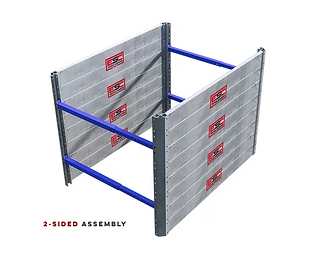
ESC Trench Safety is proud to announce the launch of its new Modular Aluminum Trench Box System, designed to enhance safety and efficiency in construction and excavation projects.

ESC Modular Trench Box Series is a trench shoring system specially designed for flexibility that allows a variety of configurations suitably as required by users. With its modular structure and aluminum alloy composition, weight is significantly lower compared to steel.

ESC Modular Trench Box is an efficient trenching solution engineered to a high degree of quality and strength, making it an ideal solution for a wide array of excavation and trenching works, particularly quick-phased shoring applications.

Team Spotlights:

ESC AND MISI CONFERENCE 2024: Highlights from the ESC and MISI Board Meeting in Japan

The recent board meeting between ESC Group and Marubeni-Itochu Steel Inc. (MISI) held in Japan was a significant event, bringing together leaders from both organizations to discuss strategic initiatives and future collaborations.

This annual conference provided a platform for in-depth discussions and strengthened bonds between ESC Group and MISI.

ESC PHILIPPINES: Shines at Various Exhibitions

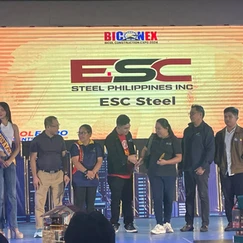
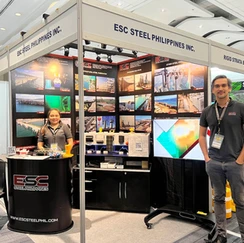
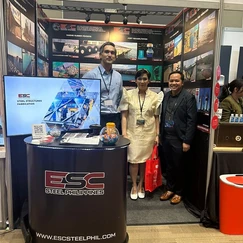
In 2024, ESC Philippines Inc. stormed into five significant events: two construction expos (Biconex and Philconstruct), two civil engineering group events, and one exclusive client event.

  • CBRE – Supplier Events and Trade Hall Expo 2028 (October 2024)

  • BICONEX (August 2024)

  • Philippine Institute of Civil Engineers, Inc. 2024 PICE Midyear National Convention and Technical Conference (October 2024)

  • PHIL CONSTRUCT Celebrating 35 YEARS (November 2024)


Employee Section:

Bruce Colson, first and foremost known as the son of the ESC Group co-founder Mr. Milton Colson, has truly carved out his own legacy since joining the company in October 1993. Starting as a humble Site Supervisor on the JB Landmark project in Johor Bahru, Malaysia, Bruce has risen to become the President of ESC Steel LLC and the ESC Group.

He is now fully committed to propelling ESC’s products and services onto the global stage while instilling a culture of discipline, integrity, and excellence among the staff, all in pursuit of the company’s grand vision and objectives.

Get to know a firm, straightforward, and confident leader, a driving force behind ESC Group and ESC Steel LLC.


In a day filled with camaraderie and celebration, the ESC Group Middle East team recently gathered to celebrate Kevin Ashdown’s remarkable 30th anniversary with ESC. This milestone event was a testament to Kevin’s dedication and hard work and a celebration of the values and culture that define ESC Group.

Get to know ESC Employees

Offshore Steel Structures: A Complete Overview

What is an Offshore Steel Structure?

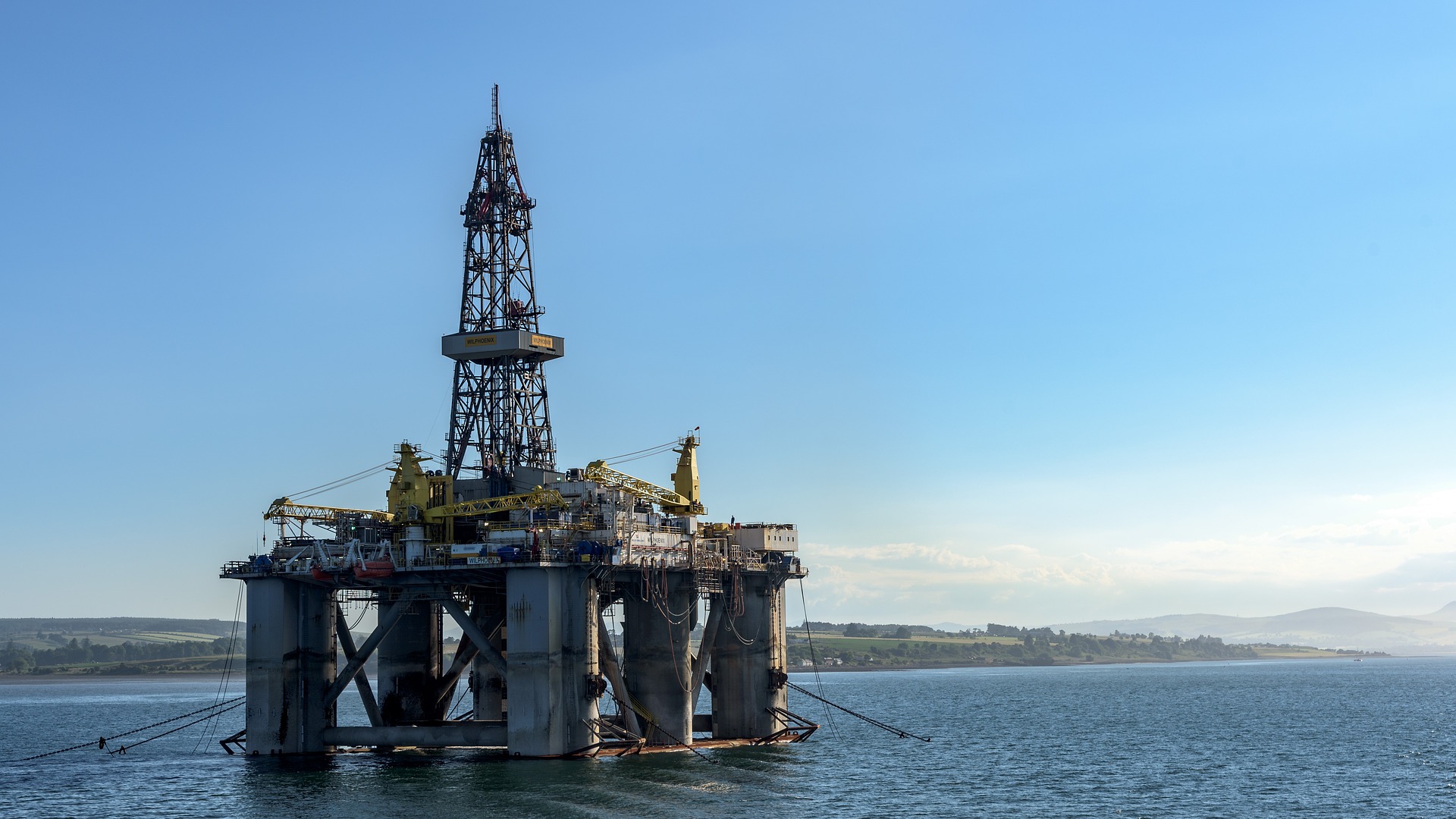
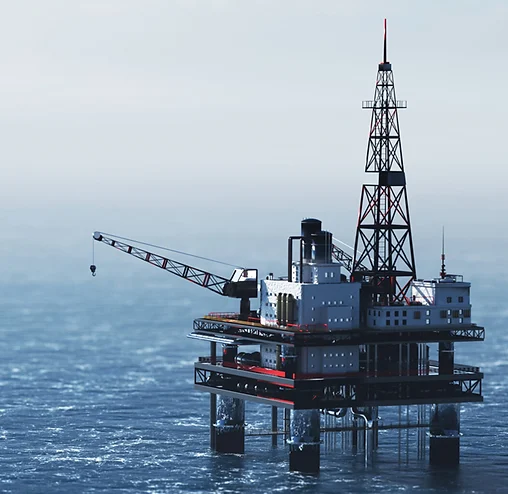
Offshore steel structures serve as essential infrastructures for the exploration and extraction of offshore oil and natural gas reserves. The surge in global oil prices in 2008 prompted a rise in offshore structure projects. An offshore structure is a hybrid of steel structure design, harbor design, and construction.

The initial offshore structures were constructed using wood, with the earliest known offshore oil drilling structure established in 1887 near Santa Barbara, California. This structure was a basic wooden wharf equipped with a drilling ring for vertical wells into the seabed. Subsequent developments included more complex projects supported by timber piers, such as those in Caddo Lake, Louisiana (1911), and Maracaibo, Venezuela (1927). Eventually, researchers realized that the lifetime of these early projects in lakes and oceans was limited due to the attack of marine organisms.

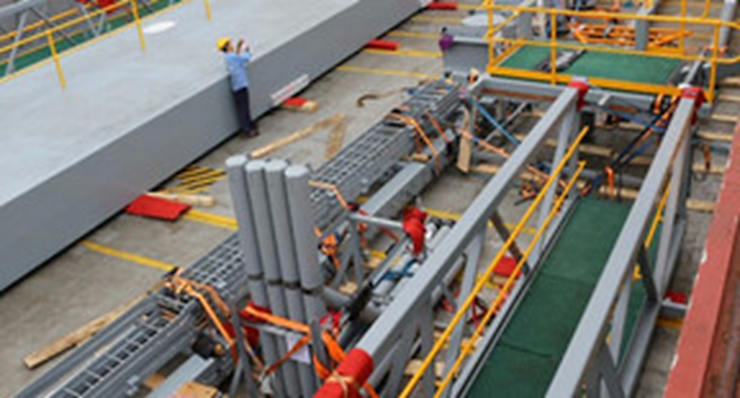
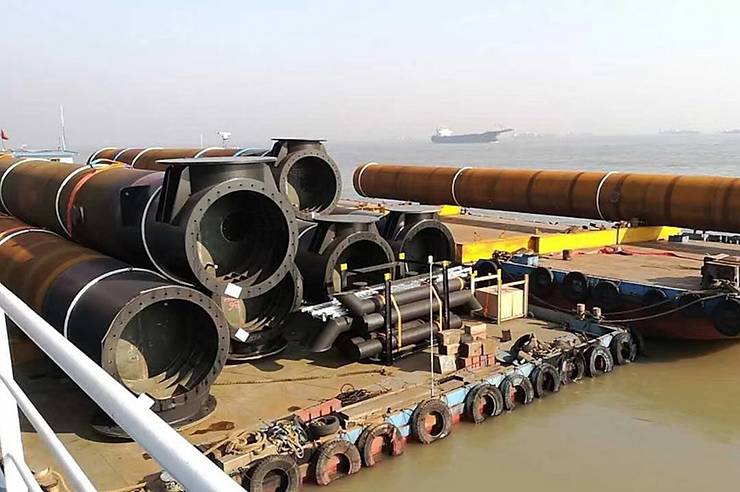
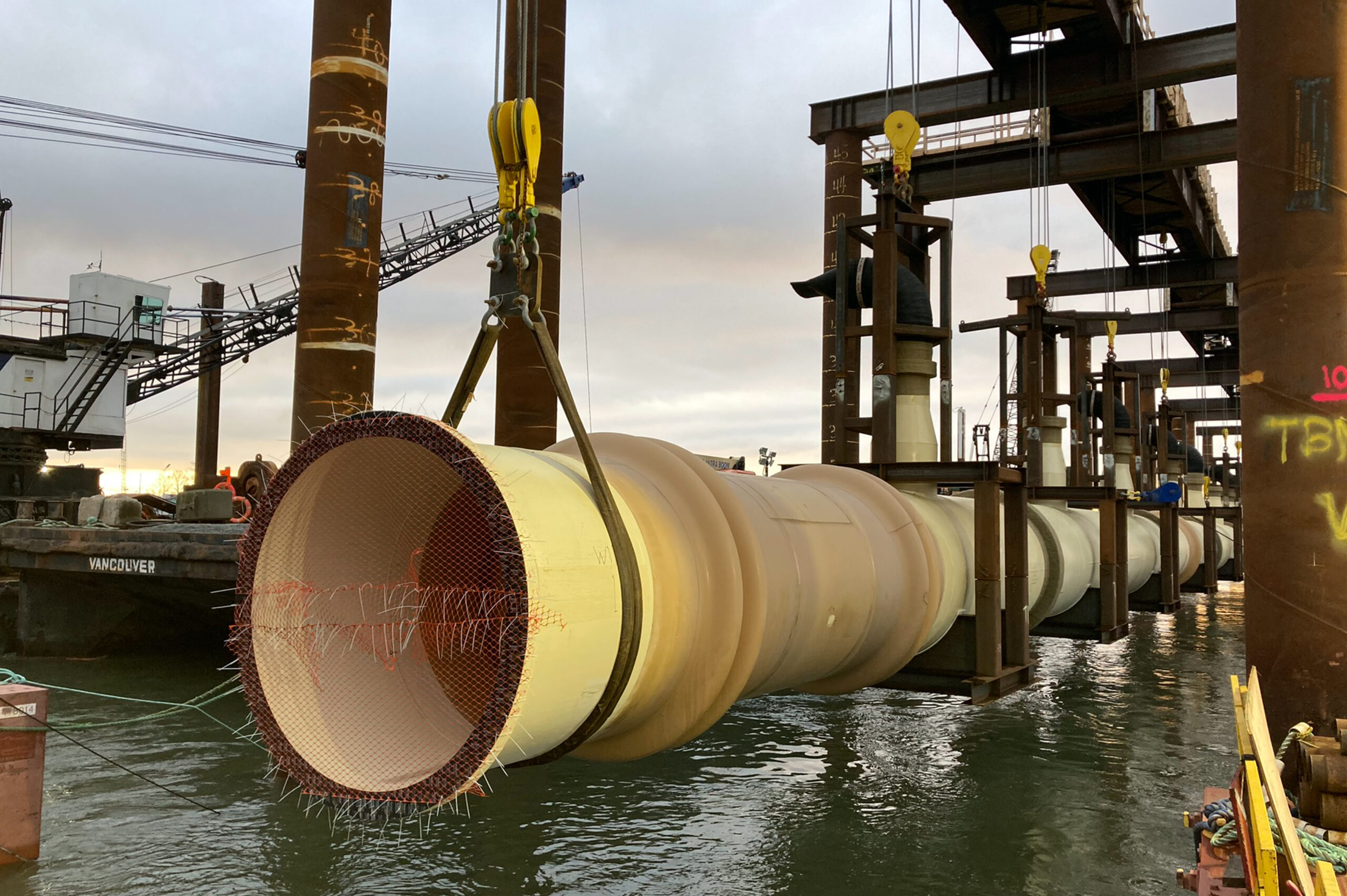
There are various applications of offshore structures such as Offshore Vessels, Drilling Platforms (bridges, booms, decks, living quarters, process skids), Ro-ro Ramps, Headstocks, Pontoon, Dolphin, Gangway, and Subsea Structures.

The offshore vessel serves operational purposes such as oil exploration and construction work on the high seas. It provides not only exploration and drilling of oil but also the provision of necessary supplies to excavation and construction units located on the high seas.

There are four main groups of offshore vessels:

  1. Oil exploration and drilling vessels.

  2. Offshore support vessels

  3. Offshore production vessels

  4. Construction/special purpose vessels.

Historically, the offshore vessel was specifically designed to support the offshore oil and gas industry back in the 1950s. This marked the creation of the “Workboat” Industry. Over the years, there have been various advanced innovations in offshore vessels. There are various factors involved in the construction of offshore vessels. First is the primary material used, which is steel. Second is the consideration in the design, as the design depends on where it will be used, for example, if it is an oil exploration vessel that includes drill ships, jack-up vessels, semi-submersible vessels, offshore barges, and floating platforms.
 
Each vessel has a specific design that suits operational demands. Next are the mathematical computations specialized by engineers to determine the optimal fleet size and mix of vessels, even the weekly routes and schedules for servicing offshore installations. These are just some of the descriptions of the construction then, of course, there are more detailed and complex steps that require expertise in naval architecture and marine engineering.

In offshore structures, there are complex installations used in the extraction of oil and gas from the earth’s crust.

Some of the components are:

  • Bridges – these are the pathways of personnel and equipment for transferring materials and facilitating communication between different parts of the offshore installation. There are interfaces such as electrical, instrumentation, and piping interfaces from one platform to another

  • Booms – these are used for oil spill response operations to contain and deflect oil away from sensitive areas. It can also be part of lifting and handling systems

  • Decks  this is the flat surface area at the top of the structure where most of the facilities are located. Here is the drilling area, processing facilities, and living quarters.

  • Living quarters – this is where the crew lives. There are sleeping quarters, dining areas, recreational facilities, and sometimes there are also medical facilities.

  • Process skids – these are pre-assembled units that have a process system or part of a process system. They are often used in the oil and gas industry for easier and lighter installation and operation. It can include systems for oil-gas separation, water treatment, chemical injection, etc.

The RoRo, short for roll-on/roll-off – are the vessels used to carry wheeled cargo such as cars, trucks, and heavy machinery that are taken out and put in using their own wheels or platform vehicle. The RoRo ship, often called RoRo ramps, is designed to accommodate the weight and dimension of the various vehicles.

The design of RoRo ramps follows a specific code of practice such as the British Standard BS 6349-8:2007, which provides guidelines for RoRo ramps. It generally consists of a metal gangway with dimensions suitable for each case. It is joined to the ground and driven by a mechanism that allows it to reach a suitable contact position with the boat. Some challenges faced by engineers in making this are the harsh marine environment, so regular maintenance of these and corrosion-resistant materials is needed to ensure the longevity of the ramps.

Headstocks refer to the concrete structure at the top of a set of sheet piles that hold them together. They must be robust enough to withstand the harsh marine environment and dynamic loads imposed by waves, wind, and currents.

The pontoon-type offshore structures, also known as Very Large Floating Surfaces (VLFSs), are artificial islands used for multiple purposes, including floating airports, bridges, breakwaters, piers and docks, storage facilities (oil and natural gas), wind and solar power plants, and even habitation. Its basic element is a box structure, resting on the water surface intended for deployment in calm waters such as a cove, lagoon, or harbor. It is supported by buoyancy on the sea surface. Steel-concrete composite materials can be used to build this floating structure. Safety and strength requirements, operating conditions, etc. must be considered. The pontoon offshore structure uses a mooring system to keep it in position. These systems use a combination of heavy anchor chains and wire ropes attached to anchors at the seabed.

In the context of offshore structures, the dolphin is a group of pilings arrayed together to serve various purposes. It acts as a protective hardpoint along the dock, waterway, or shore, as it is the point of stabilization of the dock, bridge, or similar structures, as a mooring point and base of navigational aids. It usually contains several piles driven into the seabed or riverbed, connected above the water level to provide a platform or fixing point. Dolphins are also used to protect against possible ship impacts. One notable example of the use of a dolphin is to protect the Sunshine Skyway Bridge across the mouth of Tampa Bay.

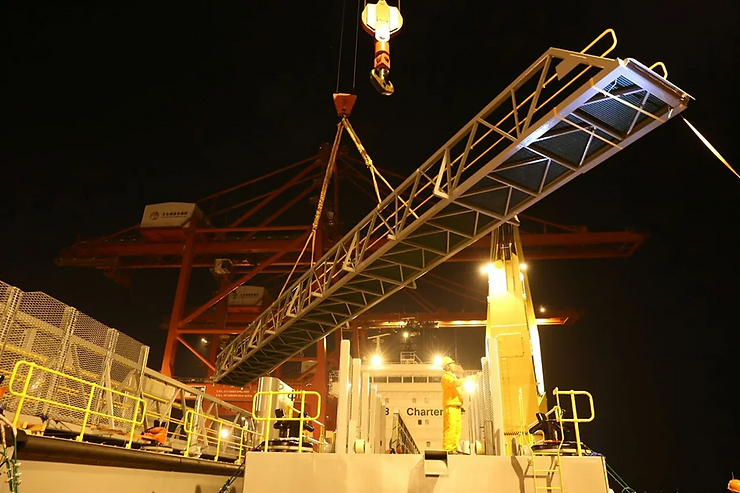
The gangway is a specially designed access system that can provide workers with safe and stable access to offshore installations. It connects the vessel or platform to the shore or another vessel, allowing safe access for personnel, equipment, and supplies. They are designed to counteract the ship’s multidimensional swing motions and keep the transfer object steady. One of the successful projects was the dynamic model of an offshore gangway under dynamic load presented in the Journal of Marine Science and Engineering. There was a thorough examination of the equation to carry out the mathematical model that was verified by joint simulation.

Subsea structures are underwater constructions installed on the seabed for the foundation, support, and protection of subsea oil and gas processing equipment. The design and analysis of these involve structural analysis, piping, and finite element analysis. In a case study, inventors used remotely operated vehicles (ROVs) to retrofit subsea infrastructure in 450-foot water depths offshore Trinidad and Tobago. All installations have complicated computations documented for analysis.

All of these have a history or origin that has now led to various innovations. ESC Steel Structure is one of the companies that make it possible to create such projects that can withstand the harsh marine environment. In fact, we are both ready and experienced in compliance with international standards such as DNV, NACE, ISO, ANSI, ASME, BS, ASTM, and AWS standards. They also have various projects that prove the robust materials and installation they have completed.

ESC Steel Structures is a global leader specializing in heavy offshore structure fabrication, serving various industries including general marine, offshore renewables, and oil & gas. The company’s core group of engineers collectively offers a wealth of knowledge and experience, delivering high-value steel structures with excellent and professional service. Their applications span offshore vessels, drilling platforms, Ro-ro ramps, and subsea structures, showcasing their versatility and adaptability.

Using ESC Steel Structures’ materials in offshore structure fabrication offers several benefits. Their materials are known for their high strength and durability, making them ideal for offshore structures that need to endure harsh environments. ESC Steel Structures’ materials are resistant to corrosion, crucial considering that offshore structures are constantly exposed to saltwater. Using their materials can lead to significant cost savings in terms of maintenance and repair costs, contributing to the economic viability of offshore structures.

ESC GROUP: Reflecting on the Year End, Embracing the New Year

Happy holidays! Wishing everyone to experience the light of laughter, the warmth of love, and the joy of gratitude this season and beyond.

As the year comes to a close, we want to send our deep gratitude to our valued customers, clients, partners, and dedicated employees. We appreciate the fantastic collaboration and mutual support that have allowed ESC to play a role in each other’s success stories.

Certainly, the post-pandemic year has tested our resilience and adaptability. Businesses worldwide grapple with various challenges. The global economy deals with inflation and economic uncertainties. Rising costs of raw materials, alongside the increased production, transportation, and operating expenses, have put a significant strain on profitability. The swift pace of digitalization presents challenges for companies to efficiently adapt and integrate new technologies. In a globalized market, businesses encounter intensified competition, demanding innovative strategies to distinguish themselves.

Amidst these challenges, everyone rallied to quickly adapt to the changing needs of clients and customers. ESC saw the important opportunity to innovate, implementing solutions and align its strategies with the requirements of both local and international operations.

The challenging year acted as a driving force for digital transformation, leading to the incorporation of cutting-edge technologies to improve efficiency and agility. This demands strategic planning, diversification, and research to adapt to market dynamics. We embraced new technologies, focusing on investments geared towards leveraging the digital realm, enabling us to connect with an expanding network of partners and customers globally.

Reflecting to our journey this 2023, we are extending our heartfelt gratitude for the received and awarded projects that shaped our success. The initial stages bring excitement, from the discussion of client’s requirements to finalizing the contracts, the partnership grows throughout the collaboration. The shared enthusiasm of everyone involved paved the way for excellent results. Each project goes beyond being a business endeavour; it stands as a testament to the trust and confidence our clients and partners have in our capabilities. It serves as another opportunity for ESC to strengthen relationships by showcasing our products and services and deliver outstanding output.

To our clients, partners and customers

We are thankful for the trust bestowed upon us, reaffirming the strong relationship we’ve cultivated and emphasizing the value of our partnership.

To our employees

Recognition is due for the dedication and tireless efforts of our team. The unwavering commitment to excellence has played a vital role in successfully securing and executing our projects, showcasing our combined expertise.


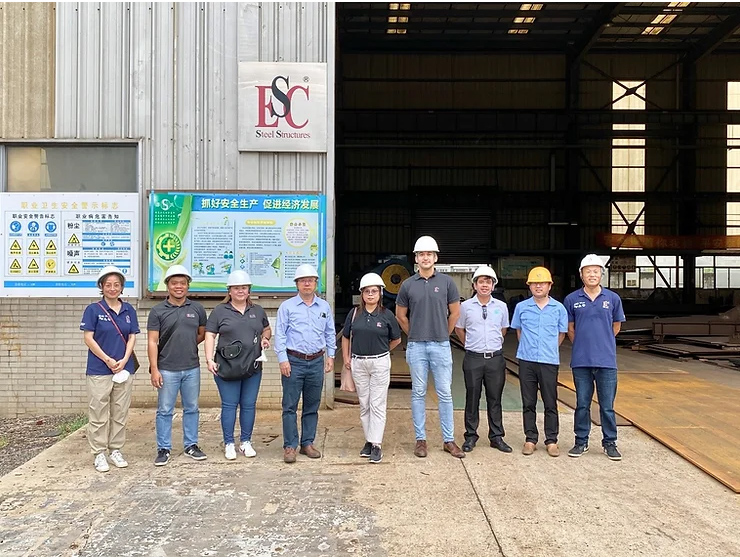
We further express our appreciation for all our accomplishments, which serve as validation for our commitment to delivering trustworthy products and services with an integrity that defines ESC.

During this festive season, a time for contemplation, and spreading happiness, we express our heartfelt thankfulness for having you as an integral part of our extended family.

Cheers to a year marked by collective accomplishments and mutual triumphs. Everyone has played a crucial role in our 2023 journey. May the holiday season bring you peace, happiness and cherished moments with loved ones. As we approach the new year, we wish you and your families good health, prosperity, and abundance. We value all the contributions and are excited about the opportunities as we welcome the upcoming year and what it holds for us together.

Click here to read ESC Times December Edition

Steel Fabrication Drawings: Their Importance and Benefits

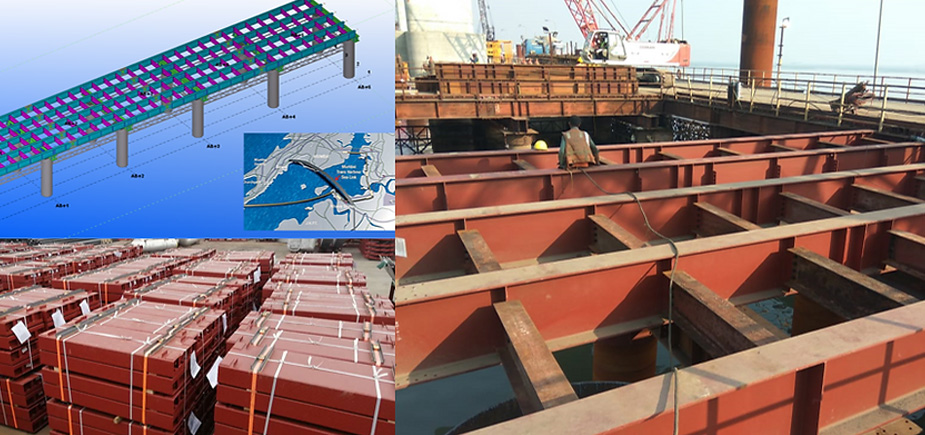
One of ESC’s Engineering capabilities in metal fabrication is to produce all types of CAD drawings in 2D and 3D models, including visualizations using Finite Element Analysis (FEA) system.  It may not be a significant edge in the first place, since almost all fabrication companies have the ability to do the same. But here’s the difference – in ESC, our engineering professionals are highly committed in the accuracy, cohesion, and refinement of our fabrication drawings and calculations. This is to ensure design-compliance, enhanced swift construction, and prevention of costly yet unwanted remedial works. 

Are drawings that much necessary? Yes, drawings plays both roles of being the almanac and encyclopedia of a project. It is the totality of all of the ideas, calculations, and concepts put in paper. From drawings, cost estimates are developed, machines and equipment are scheduled, and timelines are generated. From drawings, real structural parts are formed or assembled into precise details.

These things are achieved from pre-construction drawings which are also called ‘For Construction’ (FC) Drawings, ‘Issued for Construction’ (IFC) Drawings, or simply ‘Construction Drawings’. That’s not all, still by the aid of ‘As-Built’ or ‘Red-mark’ drawings as reference, built structures are maintained and kept operational. That’s what a drawing or blueprint is all about.

There are many types of drawings which are equally important and also applies in different stages of the construction phase. Fabrication drawings or shop drawings, for instance, are integral parts of a complete set of design drawings but are more specific to parts and usually prepared by suppliers or vendors themselves. Shop drawings apply to metal or steel fabrication, PVC fabrication, composite, and any type of construction. It is utilized as the ultimate guide to any kind of fabrication work in each and every business industry.

Varieties of fabrication projects that range from complex to much simpler scope of works are all produced from fabrication drawings. Complex fabrication works can be large piping networks, pre-engineered & other structural buildings, steel bridges, industrial machineries, navigation vessels, and many more. Simple scope of works includes assembly of doors & windows, trench shields or trench boxes, garbage chutes, sheet pile & pipe pile walls, marine bollards & fenders, and so on. 

What is Fabrication or Shop Drawing?

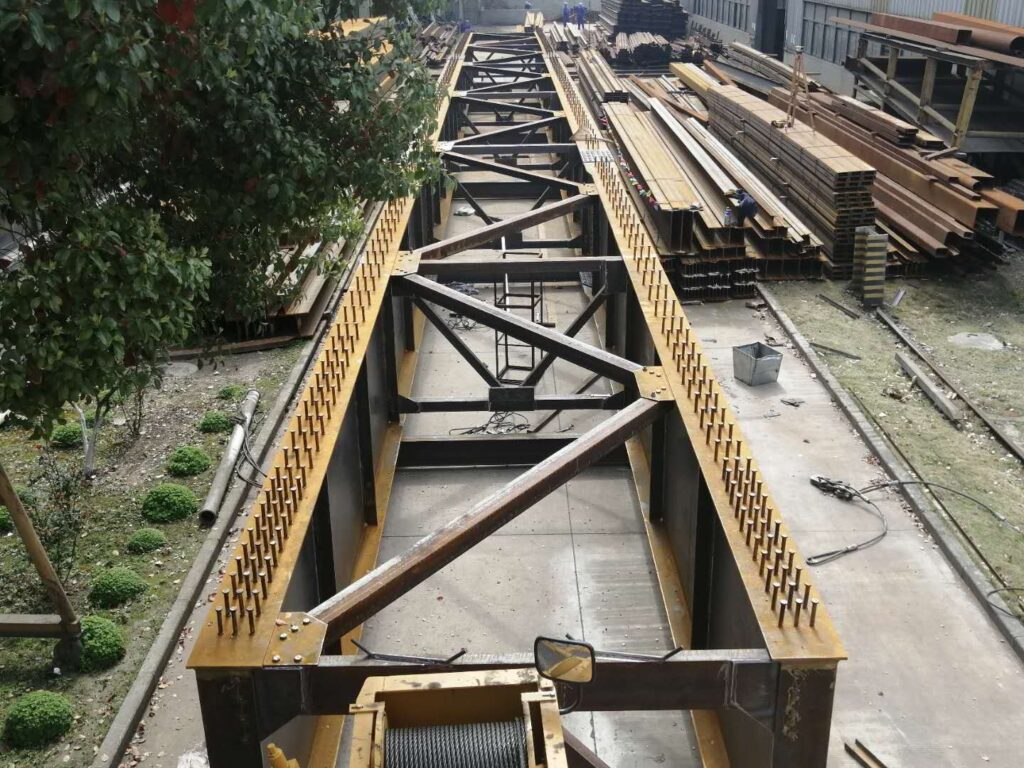
Steel fabrication drawings contain all specifications and details required in the manufacture, fabrication, and assembly of a metal or steel project. Manufactured, fabricated, or assembled components are later put-up to form into a structure with the help of general arrangement or installation drawings. The process is called steel detailing.

Steel fabrication drawings has two elements as below:

  • Assembly Drawings – technical drawings used to illustrate assembly with multiple components. The purpose of these drawings is to show how those components fit together and are presented in many forms such as orthogonal plans, sections and elevations, or three-dimensional views.

For example, a DIY (Do It Yourself) product must have an accompanying assembly drawing to enable the customer to come up with a properly assembled purchase. Whereas, the assembly drawing should include instructions, complete list of components, code numbers, reference to shop drawings, dimensions, notes & symbols, and more.

In steel fabrication, a proper assembly drawing should contain but not limited to the following:

    •  Orthogonal assembly plans, elevations or views, sections, and details;
    •   3D view or exploded view of the assembly;
    •  Technical requirements for fabrication such as compliance standards;
    • Type of connections such as bolted, welded, or combination;
    •    Protective coating or anti-corrosion system information;
    •  Single parts list, shop weld list, & assembly lists;
    • Scales & dimensions;
    •    Type & size of shop welds and connectors;
    • Name and mark of assembly.


  • Single Part Drawings – workshop drawings showing visual representation of one part or member only, usually without connections. The purpose of a single-part drawing is to permit the production of a single part without referring to other drawings. For a single-part drawing to be effective, it should come precisely with the following information:
    • Material specification;
    • Material shape, sizes or linear dimensions, and cutting tolerances;
    •   Angular dimensions and tolerances;
    • Type, size, and location of weld or connector;
    • Flat patterns including bend lines;
    • Weight of piece;
    • Finish details such as heat treatment, surface, grinding, and more.

A single-part drawing should also mention the number of parts needed to manufacture for the entire assembly or project. It should also indicate the sub-assembly or main assembly where it belongs.

Examples of a single part drawing:

  • Anchor bolt detail;
  • Embedded plate detail;
  • Gusset plate detail;
  •  Flange detail and many more.

Importance of Fabrication Drawings

Steel fabrication drawings are one of the essentials and play a crucial part in steel construction. Without accurate shop drawings, fabricators are lost and will never be able to produce premium quality steel components. Here’s why they are important.

  • Accuracy – Computer-aided fabrication drawings are produced with very high precision due to automation and excellent visualization. With the use of steel detailing software, errors are automatically detected and corrected. Synchronization of different fabrication sheets made easier compared to manual drafting. These precise details are critical for smooth coordination between interfacing teams, eliminating or minimizing errors and delays throughout the fabrication and installation period. Shop drawings essentially reduces or eliminates on-site fabrication issues. This is because 3D models can be viewed virtually from every angle, not only giving a perfect visualization of the physical parts but also the real-time progress of the project.
  • Cohesion – Parties involved in a construction project such as stakeholders, architects & engineers, contractors, vendors, and fabricators are guided accordingly by the presence of a common masterplan. It does not only avoid miscommunications but also enhances effective collaboration resulting to swift decision making and on-time project delivery.
  • Design Compliance – Meticulously-prepared CAD drawings results in a high degree of accuracy in the production of parts or components and overall design-compliance. Adherence to specified material and production standards also ensures elimination of future structural failures and hazards.
  • Cost-effectiveness – By creating a realistic model of the project through 2d & 3D drawings, inspection and quantification of materials is made accurate and easy. It does not only reduce time to prepare material requirements for the project but also minimizes material wastage and reduce unnecessary costs.

Benefits of Steel Fabrication Drawings
  • Better Quality Control – Having a clear visual representation of the steel components and the entire structure, quality control teams can proactively detect and correct deviations to negate the impact of delays and losses.
  • Improved Construction Management – Still by having an excellent visualization of the project progress in the drawing models, project management teams can set out plans and resources more efficiently for better execution at any stage of the construction.
  • Rapid Construction – With fabrication drawings at hand, steel manufacturers and fabricators can streamline production activities. This results in faster production and maximizes allocation of resources. Simultaneous or parallel production ensures that steel parts or components are readily available on-time or when needed.
  • Customization – Steel fabrication drawings allow customized designs to suit the specific requirements of a particular project. This flexibility enables architects and engineers to design innovative and complex structures that are both functional and aesthetically pleasing.
Our Steel Fabrication Drawings at ESC

  • Drawn to high standards – Steel fabrication and all forms of drawings we provide are drawn to high-standards to meet and even surpass the requirements of your projects. Not only our engineers and technical staff comes from global diversity, ESC have invested in the training and experience of our people using the leading suits of design and drawing software. Using these powerful tools, ESC can accurately produce high-caliber presentations to boost our client’s confidence, in us and in the business industry.
  • Accurate – Precision and accuracy of steel fabrication drawings is the most instrumental key for a steel construction project to succeed. And to be able to cater the most accurate drawings and designs in this field, we shall continue to hold fast of the advancements in technology and sophisticated yet innovative approaches that enhances further the quality and efficiency of construction projects worldwide.
  • Cost-effective – ESC prides itself not just on selling its products but delivering a complete set of services to the customer, especially when comes to design. ESC engineers are well-suited to work closely with the client to consider all design options, select the best one, eliminate unnecessary costs, while keeping a high-integrity and cost-effective design.

ESC’s reputation is built on excellence and commitment in providing high-quality, efficient, and cost-effective solutions. We can provide competitive prices by adhering to engineering innovations and advance technologies that enhance safety and product quality, reduce unnecessary operational costs, and create added value to our products and services.

 

ESC Times June 2023 Edition

ESC Group: Building the Future with Expertise and Complete Engineered Solutions

ESC maintains a strong commitment to empowering a more sustainable future by providing complete engineered construction solutions that increases efficiency and reduces risks in projects.

Unexpected socio-economic distractions especially the pandemic has undeniably altered the way business is done for some time. Political conflicts have also been intervening on-off, affecting economies and commerce negatively. But besides these constraints, social-economic-environmental issues are emerging more critical and still deemed as the main priorities in the next 100 years or beyond. Why so? These three aspects, besides morals, are the pillars of sustainability or sustainable development – a quest for human which is so far a work in progress. Read more….

Download a copy of click here “ESC Times June 2023 Edition” to read online.

                                                                                         ESC Group | ESC Times June 2023 Edition
SPECIAL FEATURE:

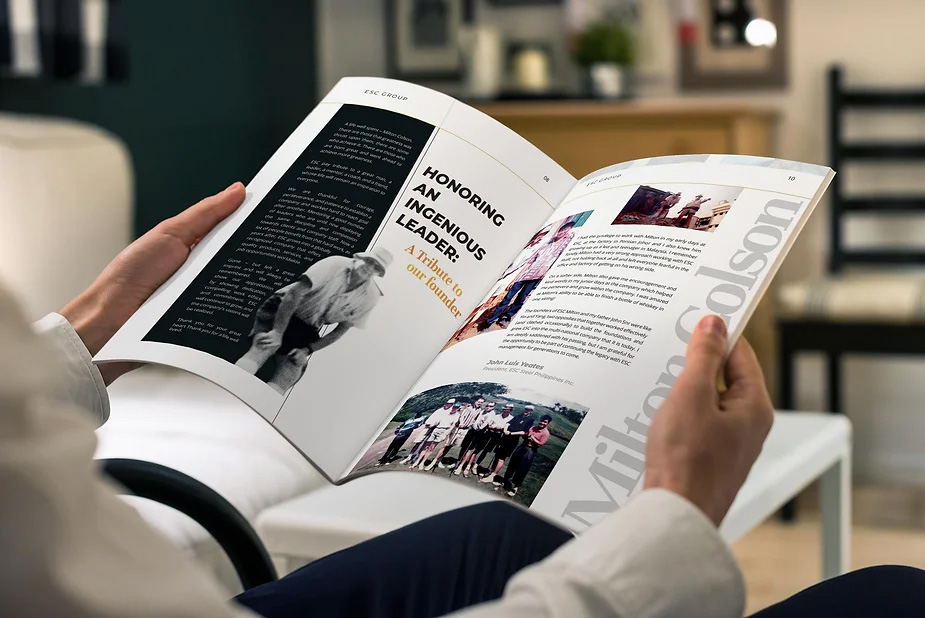
Honoring an Ingenious Leader: A tribute to our founder

           Milton Colson


We are thankful for courage, perseverance, and patience to establish a company and worked hard to reach goal after another. Mentoring a good number of leaders who are until now displaying the same discipline and compassion towards client and company staff. Now a lot of people benefit from that hard work, as years after, ESC grows into a globally recognized company that offers quality products, services, and job opportunities worldwide.

Thank you for your great heart. Thank you for a life well lived.


Featured Product: ESC Aluminum Trench Shields

With the significant upgrade required on existing infrastructure in the US and the new housing growth the market for trench shoring products continues to look very promising. The vast percentage of trench shoring material us temporary and this allows contractors rental and purchase options.

ESC Trench Shoring Inc., a NAXSA and NUCA member and a recognized provider in the global stage has now launched its latest product line if aluminum trench shields and sheet piles.

Aluminum Trench Sheets

Project Highlights:

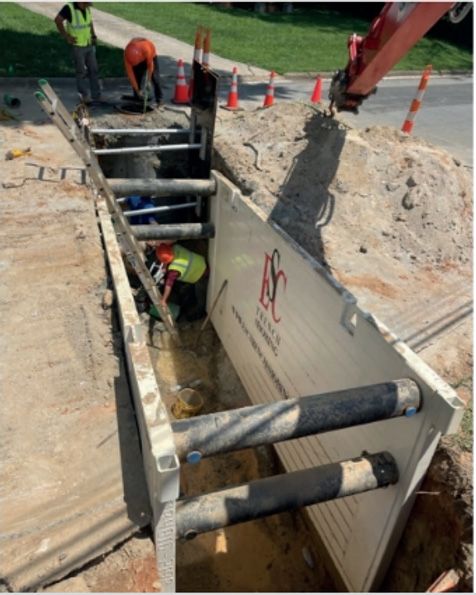
  • Mooresville, North Carolina Trench Shields Supply
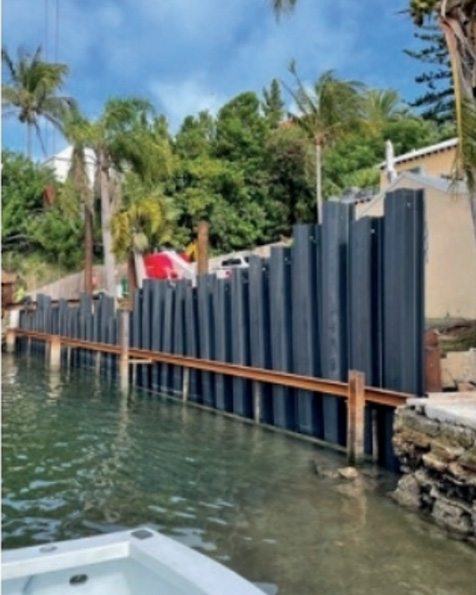
  • Bermuda, Fibre Reinforced (FRP) Sheet Piles
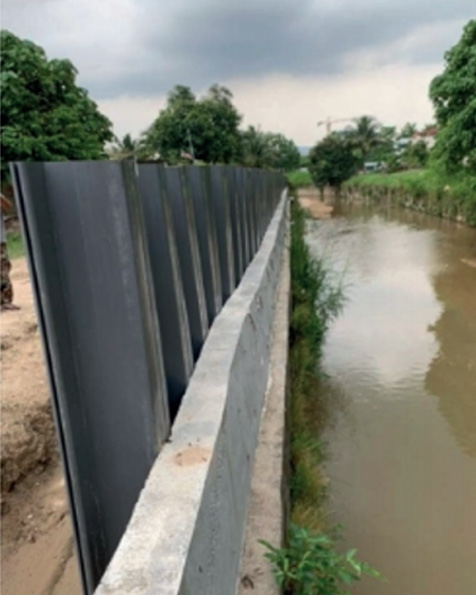
  • Kuala Lumpur, Flood Mitigation Project
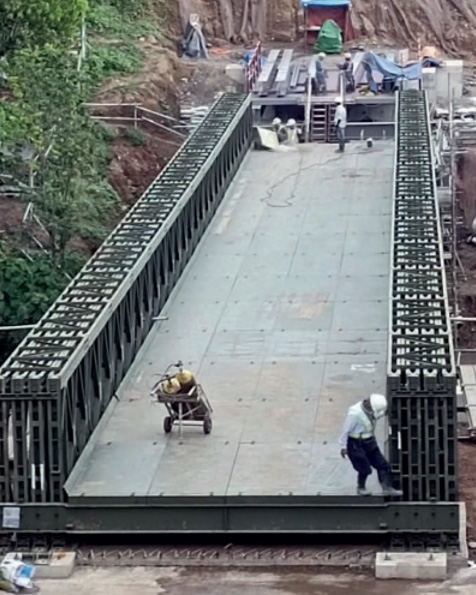
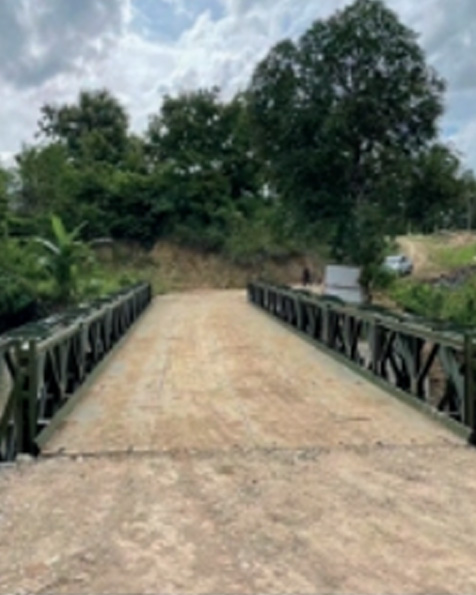
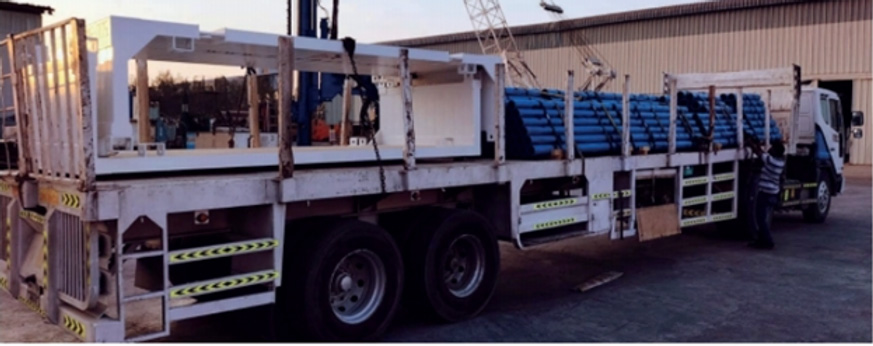
  • Mindanao, Philippines Bypass Road Project – Bailer Bridge Projects.
  • Visayas, Philippines Bailey Bridge Project
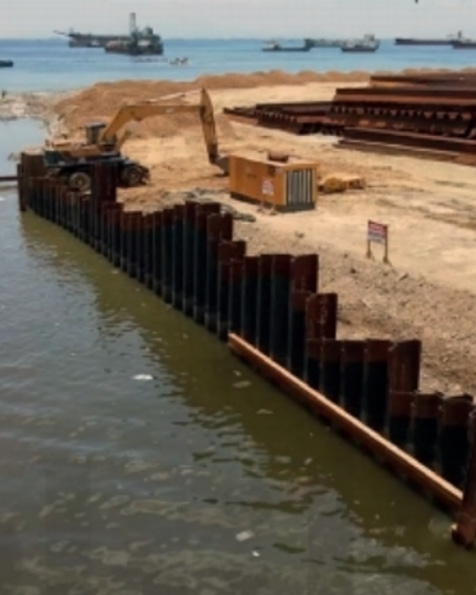
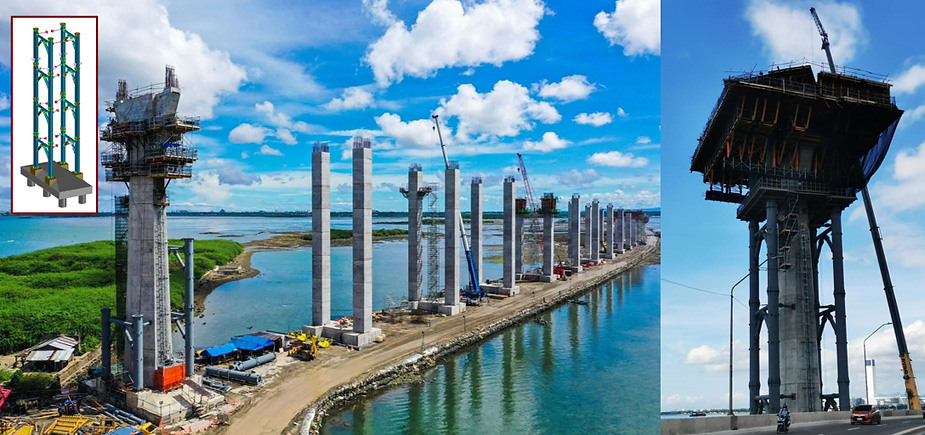
  • Navotas, Philippines – Regional Fish Port Project
  • Ras Al Khaimah, UAE – Standard & Manhole Trench Boxes Supply 
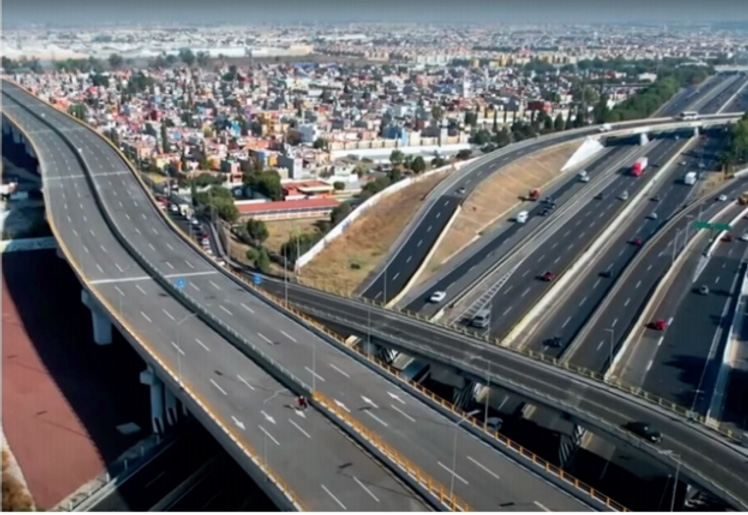
  • Mexico City, New Airport Freeway Project


                                                                                Mooresvill, North Carolina Trench Shields Supply
                                                                           Bermuda, Fibre Reinforced (FRP) Sheet Piles
                                                        Mindanao, Philippines Bypass Road Project – Bailer Bridge Projects
                                                                                 Kuala Lumpur, Flood Mitigation Project
                                                                          Visayas, Philippines Bailey Bridge Project
                                                                         Navotas, Philippines – Regional Fish Port Project
                                                                         Ras Al Khaimah, UAE – Standard & Manhole Trench Boxes Supply
                                                                          Mexico City, New Airport Freeway Project
Team Spotlights:

ESC 2023 Global Gathering

ESC Global Gathering 2023 was a 4-day event held from April 17 to 20, bringing together ESC group leaders and key players to gain insights into critical aspects of the business and further strengthen connections.

Overall, the forecasts and plans presented during the gathering were overwhelming optimistic, with upcoming projects in various locations and continued internal and external partnership expected to drive business development.

ESC Philippines Goes to Boracay

The team created an unforgettable experience, a lifelong memory of enjoying the activities in the world-class island. Some of which are Parasailing, Helmet Diving, Island hopping, Bar hopping, and more. The fun and laughter shared creates a harmonious and balanced relationship within the team.


ESC Group (Middle East) Boat Party

The team created an unforgettable experience, a lifelong memory of enjoying the activities in the world-class island. Some of which are Parasailing, Helmet Diving, Island hopping, Bar hopping, and more. The fun and laughter shared creates a harmonious and balanced relationship within the team.

Employee Section:

Employee Profile:

Kevin Graham Ashdown – Managing Director; ESC Al Sharafi Steel LLC in UAE

Get to know ESC Employees

Seiji Buenaflor, Procurement Officer, ESC Steel Philippines

Namita Singh, Sale Manager, ESC Group Middle East 

Nur Ameera, Sale Executive, ESC Steel Engineering (Malaysia)

A Penny for your thoughts:  If you could meet anyone in the world dead or alive, who would that be and why? Pet Lovers: Share your Pet


A Basic Guide to Steel Bridges: An Engineering Marvel

Larger volume of infrastructure is required to sustain the rapid increase of population and social activities. Infrastructures are essential to back up the growth of economies and to promote well-being of every individual. Bridges for example, are vital to streamline transportation, they are instrumental in connecting communities and bringing necessities to people especially food, shelter, medicine, and education. Thanks to the triumphant journey of mankind in Civil Engineering and in the mastery of bridge designs. The birth of steel bridge almost 150 years ago enabled us to swiftly connect distant regions, bring technologies to remote areas, and establish numerous over-water highways that makes travel time significantly shorter.

Steel bridges becomes a common sight around the world – in cities and rural areas, in wealthy sovereigns and developing countries. They are popular in modern construction due to their strength, durability, and ability to span long distances. Steel bridges come in different types and sizes, from a small pedestrian or Bailey bridge to gigantic suspension bridge that can connect two cities. In this article, we will explore the structural components, types, advantages, and areas of improvement of steel bridges.

Structural Components of Steel Bridges

Structural components of steel bridge vary on its type and size. However, they are typically combination of steel beams, columns, decks, and girders.

  1. Beams – They are steel sections or fabrications that runs continuous from pier to pier to span the gap and support the weight of the bridge.  Steel beams are the main structural components of the bridge. They come in different shapes, including I-beams or H-beams, box girders, and trusses.
  2. Columns – They provide vertical support for the bridge and anchorage to the foundation. Being in critical location and conditions, steel bridge columns especially water-borne, are normally reinforced concrete or combination of steel and reinforced concrete. Foundation construction including columns located in bodies of water requires the use of temporary or permanent steel casement to facilitate concrete casting. In some cases, steel columns are jacketed with concrete to provide protection to the steel against corrosion.
  3. Girders – Steel girders can be plate girders or box girders and known as large beams. These steel components provide lateral support for the bridge. Girders has high load bearing capability and are designed to carry large amounts of dynamic and moving loads.
  4. Deck – The deck of the bridge is the roadway or walkway surface that vehicles or pedestrians uses to pass. It is usually made of reinforced concrete or steel. Modern deck designs called as composite deck slabs involve galvanized sheet profiles as a reinforcement against positive moment and formwork for concrete placing at the same time. These galvanized sheet profiles are connected to beams or girders by fasteners or welding. The deck is supported by a series of girders that run parallel to the beams
  5. Joints – Different structural components are joined together to perform as a single steel bridge. Joints are designed to be rigid or flexible and are achieved by welding or bolting.

Types of Steel Bridges

Bridges or steel bridges are sometimes categorized according to type of traffic they support. In this case, we encounter designations such as pedestrian bridge, highway or road bridge, railway bridge, or the combination of different types.

  1. Pedestrian bridge also called footbridge or overpass is designed solely for pedestrians, in short, an elevated walkway. It comes in different shapes and structural designs – rigid, truss, cable-stayed, arch, and more.
  2. Highway bridge, road bridge, or skyway is an elevated major road structure for vehicles of all types. These types of bridges are constructed to avoid obstructions.
  3. Railway bridge is designed to carry rail transits or passenger trains. The purpose of constructing railway bridge other than avoiding obstructions is to create an isolated, uninterrupted means of transportation which is way faster than the normal means.

While steel bridges are generally classified as above, the types can be further described in detail according to their structural system. In other words, they can be classified according to the make up of their load carrying system. Loads can be carried by girder, cables, trusses, and more.

  1. Girder Steel Bridge – can either be done using truss girder or solid web girder. Solid web girder comes in two types: plate girder or box girder. Plate girders are also known as I-beam or H-beams while box girders have shapes of closed four-sided trapezoids. Plate girders are adopted for simply supported spans of less than 50 meters and box girders for continuous spans up to 250 meters. Truss girders are suitable for bridges at span range of 30 meters to 350 meters.
  2. Arch Steel Bridge – also called tied-arch bridge. Like the girder bridge, the main component structure which is the arch can be built using steel trusses or steel girders. Arch bridge relies on strong foundation, preferably reinforced concrete, that restrains transferred compression forces from the giant arch. Arch steel bridges are competitive options for spans of 200 meters to 450 meters
  3. Cable-stayed Steel Bridge – depends on a tower or pylon that extends high where the high-tension cables or tendons that carries the deck are anchored or tied-up. This type of bridges is economical for spans of 150 meters up to over 500 meters. In this type of bridge support system, the cables originate from the top of pylon and runs directly to the girders at intervals appearing like the ribs of a fan. Towers or pylons are reinforced concrete, fabricated structural steel, or combination
  4. Suspension Steel Bridge – The difference between cable-stayed bridge and suspension steel bridge is the arrangement of the cables or stays. In suspension bridge, the cables supporting the deck are suspended vertically from the main cable. The cables are distributed both at the top and bottom making them in right angle with the deck. The main cables that hold the stays runs from tower to tower and deeply anchored at ground at both ends. Suspension bridges are the best solutions for long span bridges.

Advantages of Steel Bridges
  1. Strength and durability – Steel bridges are strong and durable, with a high strength-to-weight ratio. They can withstand heavy loads and harsh weather conditions.
  2. Long span – Steel bridges can span long distances with minimal or without the need for intermediate supports. This makes them suitable for crossing large bodies of water, valleys, and other obstacles.
  3. Speed of construction – Steel bridges can be prefabricated off-site and then assembled on-site. This enables reduction of construction time due to multiple tasks that can take place simultaneously with each other. It also enhances quality and safety due to controlled production environment and parameters.
  4. Low maintenance – Steel bridges require minimal maintenance, as they are resistant to corrosion and deterioration when properly equipped with protection. This makes them cost-effective in the long run especially with the ability of steel to be relocated, replaced, re-used, and re-cycled.
  5. Aesthetically pleasing – Monumental bridges are mostly steel bridges because they can be designed to be aesthetically pleasing, with unique shapes and designs that complement their surroundings.

Areas of Improvement: Steel Bridges
  1. Corrosion – Although steel is highly resistant to corrosion with the aid of protective measures, it can still be affected by rust over time. This can weaken the structure of the bridge and require maintenance.
  2. Thermal expansion – Steel bridges can expand and contract with temperature changes, which can cause stress on the structure. This requires careful design and construction to avoid damage.
  3. Cost – At some project extent, steel bridges can be more expensive than other materials, such as concrete or wood.
  4. Environmental impact – The production of steel requires significant energy and resources, which can have a negative environmental impact.
Expert Touch on Steel Bridges

For any type and size of steel bridge project, working with the right company from the very start is the key. ESC Steel has a global supply capability of heavy structural steel bridge products which are compliant to international standards.

Today’s broad capability and experience of ESC Steel in Steel Bridge Structures resulted from a long and successful journey in challenging and engaging world-wide projects involving multiples kinds of the following:

bridge component fabrication

View our key projects for more details and contact us at https://www.escsteelstructures.ph

Important questions Worth Asking from Steel Manufacturers and Suppliers

Steel industry is one of the essential industries for the development of any community. It provides necessary inputs mainly for the construction of infrastructures, power generation and distribution, transportation facilities and vehicles, manufacturing machinery and equipment – all of which are vital for a community to achieve growth. 

The industry’s outputs are utilized by both commercial and industrial enterprises, such as electronics, steel sections manufacturing, and shipbuilding, among others. Hence, the industry’s demand for steel production has extremely increased throughout the years.
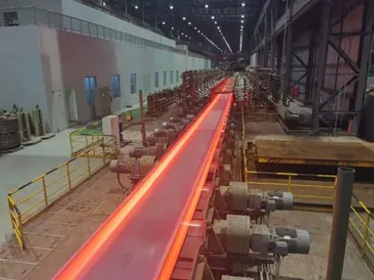
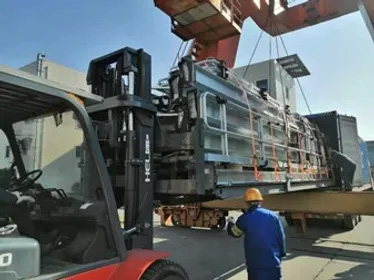
The high demand on steel products also paved the way for many business owners to venture in manufacturing and trading different steel products that will cater various requirements from different industries.

Currently, there is a great competition in the market on steel manufacturing and supply and here are essential questions to ask a steel supplier to consider before buying a steel product for a specific project or requirement:

I. How many years have you been in the industry?

Experience always plays a big role when it comes to making partnerships. It’s helpful to have a steel supplier on your side that has been in the industry for a good number of years and has established a good reputation and relationship with its customers and business partners. A newer supplier may not have access to relationships that can get you the high-quality steel you want at a price that’s reasonable.

Besides their years of service, it is of greater importance to also know which scale of operations has your steel provider handled in the past. You can request for a portfolio of their past clients, their company profile, or even certifications (if applicable). These are good indicators that the supplier is institutionally recognized in providing high-quality materials. Furthermore, asking about their experience also ensures that they have a mature business model honed and perfected through years and years of innovation and experimentation.

II. Do you have the production capability?

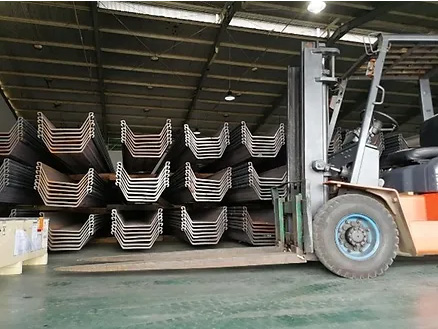
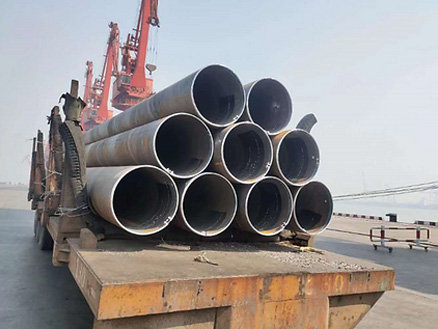
As a customer, you should expect your steel provider to give information about their production capacity as well as the necessary tools and equipment they have in their manufacturing plant to be able to meet customer requirements. You should overlook the types of tools and equipment which your steel provider utilizes and through it, you can easily see which one has superior capabilities due to its infrastructure.

              Manufacturers/suppliers having innovative tools and equipment are likely to finish the production projects without any delays, increasing efficiency and quality for low costs.
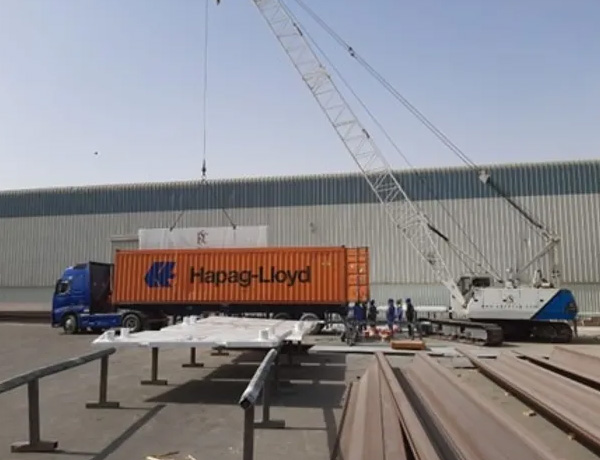
III. Can you deliver on time?

Ask your steel supplier if they can also deliver on time. Whatever venture you’re working on — be it a small-scale residential renovation or a large commercial building — meeting deadlines is always the target. Since construction materials are some of the basic fundamentals of any building project management plan, knowing that you are dependent on a supplier that prioritizes on-time deliveries is a must.

Commitment to eliminate delivery delays is a sign that your chosen supplier values you as a client and also their word. This means that you can rely on them to supply you with the right materials, no matter where you’re located, with minimal issues encountered along the way.

IV. Do you offer competitive prices and discounts?

Even if manufactured steel materials are readily available and typically inexpensive, the price may still vary from supplier to supplier. As much as possible, you’ll want to get the best value out of the products. Sure, you might be able to find steel parts at an affordable price, but the quality might not pay off in the long run. In much the same way, you don’t want to misconstrue that expensive parts are generally higher in quality

To help you with this dilemma, ask the manufacturer or supplier if they offer discounts or if their prices are negotiable. A flexible company will go out of its way to negotiate and come up with a price arrangement that benefits both parties.

These are just some of the essential questions to ask a steel supplier to ensure that you choose the best one for your project. Remember that at any point you’ll need to find a reliable supplier, it’s safe to ask everything on your mind. Doing this allows you to find the right partnership, no matter the complexity and scope of your project.

Luckily, ESC Group has got you covered!      


ESC Group has been in the industry for over 30 years and has expanded its reach globally. At present, it has its manufacturing and offices strategically located across the globe to be able to serve its client’s needs. ESC offers a wide array of steel products specialized in providing sheet piling solutions, marine systems and customized steel structures.


ESC has also partnered with Japan-based Marubeni-Itochu Steel Inc. (MISI), one of the largest steel trading companies not only in Japan but globally. ESC offers not only quality products, but also quality services with its roster of expert engineering and technical personnel providing effective customer services.

ESC also has a wide network of logistics partners that can handle local and international shipments, thus strengthening its ability to cover and establish a greater strength in the global market.